
Sleep Position Training Methods That Reduce Snoring Episodes
Understanding the Connection Between Sleep Position and Snoring
How Gravity and Airway Position Affect Snoring Patterns
Gravity plays a fundamental role in determining how your airways function during sleep. When you lie flat on your back, gravity pulls your tongue, soft palate, and other throat tissues toward the back of your throat. This natural gravitational effect narrows the airway passage, forcing air to travel through a smaller opening and creating the vibrations we recognize as snoring.
The positioning of your head and neck also influences airway alignment. A neutral spine position keeps your airways more open, while certain angles can create kinks or compressions in the respiratory pathway. Think of it like a garden hose—when bent or twisted, the water flow becomes restricted and turbulent.
Different sleep positions create varying degrees of airway obstruction. Side sleeping typically maintains better airway geometry because gravity pulls tissues away from the breathing passage rather than into it. This positional advantage explains why many patients notice immediate improvements when they transition from back sleeping to side sleeping positions.
The Role of Soft Tissue Collapse in Different Sleep Positions
During sleep, your muscle tone naturally decreases, causing soft tissues in your throat to become more relaxed and pliable. This normal physiological response affects snoring patterns differently depending on your sleep position. The uvula, soft palate, tongue base, and throat walls all contribute to potential airway narrowing when muscle tension drops.
Back sleeping allows these relaxed tissues to fall backward under gravity’s influence, creating a cascade effect of airway restriction. The tongue base drops toward the throat wall, the soft palate sags downward, and the entire airway diameter shrinks. This tissue collapse often occurs gradually throughout the night, which explains why snoring typically worsens as sleep deepens.
Patients using personalized care approaches often discover that addressing positional factors enhances their overall treatment effectiveness. The combination of proper sleep positioning and targeted therapy creates a comprehensive approach to managing breathing disruptions.
Why Back Sleeping Increases Snoring Episodes
Back sleeping, or supine positioning, creates the perfect storm for snoring development. This position combines gravitational pull with decreased muscle tone to maximize airway resistance. Studies consistently show that snoring intensity and frequency increase significantly when patients sleep on their backs compared to other positions.
The supine position also affects nasal breathing patterns. When lying flat, nasal congestion often worsens due to blood pooling in the nasal tissues. This congestion forces mouth breathing, which bypasses the natural filtering and humidifying functions of the nose while contributing to dry mouth and throat irritation.
For patients in the San Diego area dealing with persistent snoring issues, understanding these positional factors becomes crucial for treatment success. Many individuals notice that their symptoms improve dramatically simply by avoiding back sleeping, though achieving consistent positional changes requires specific training techniques and often professional guidance.
Medical Evidence Behind Positional Therapy Effectiveness
Clinical research demonstrates impressive results for positional therapy in reducing snoring episodes. Studies show that up to 50% of snoring patients experience significant improvement through sleep position modifications alone. The evidence becomes even more compelling when positional therapy combines with other treatment approaches.
Research published in sleep medicine journals indicates that positional therapy can reduce the Apnea-Hypopnea Index (AHI) by 50% or more in position-dependent patients. These improvements translate into better sleep quality, reduced daytime fatigue, and decreased cardiovascular stress associated with breathing disruptions.
Long-term studies tracking patient outcomes reveal that those who successfully maintain non-supine sleeping positions experience sustained improvements in sleep quality and partner satisfaction. The key lies in developing sustainable habits through structured sleep position training methods rather than relying on willpower alone.
Medical professionals increasingly recognize positional therapy as a first-line treatment option for many patients. Ongoing support programs help patients maintain these behavioral changes while monitoring their progress and adjusting techniques as needed. This comprehensive approach ensures that positional improvements become permanent lifestyle changes rather than temporary modifications.
Essential Equipment and Tools for Sleep Position Training
Tennis Ball Technique and Positioning Belt Options
The tennis ball technique remains one of the most effective and affordable methods for sleep position training. This approach works by creating uncomfortable pressure when you roll onto your back, naturally encouraging side sleeping throughout the night. You can achieve this by sewing a tennis ball into the back of your pajama top or using a specialized positioning belt designed for this purpose.
Commercial positioning belts offer several advantages over DIY tennis ball solutions. These belts typically feature adjustable straps and removable foam or inflatable bumpers that provide consistent pressure without the hard impact of a tennis ball. The Sleep Position Trainer (SPT) belt, for example, uses a small vibrating device that gently alerts patients when they shift to their back without causing painful awakening.
When selecting a positioning belt, consider the firmness level that works for your comfort threshold. Some patients in the San Diego area report success with softer foam inserts during the initial training period, gradually progressing to firmer options as their body adapts to side sleeping. The key is finding the right balance between effectiveness and comfort to ensure you actually wear the device consistently.
Smart Wearable Devices for Position Monitoring
Modern technology has revolutionized sleep position training through smart wearable devices that provide real-time feedback and detailed sleep analytics. These devices use accelerometers and gyroscopes to detect body position changes and can alert you through gentle vibrations when you move to a snoring-prone position.
Popular options include chest-worn sensors like the Sleep Position Trainer and wrist-based devices that track sleep position alongside other metrics. Many of these devices connect to smartphone apps, allowing you to review your position data each morning and track improvements over time. This data proves particularly valuable when working with sleep professionals who can adjust your treatment approach based on objective measurements.
The investment in smart wearables typically ranges from $150 to $400, making them a middle-ground option between DIY solutions and professional medical devices. Battery life varies significantly between models, with some requiring nightly charging while others last several days. Consider your lifestyle and commitment level when choosing between immediate feedback devices and those focused primarily on data collection.
Specialized Pillows and Sleep Positioning Aids
Specialized pillows and positioning aids work by physically supporting proper spinal alignment while making back sleeping uncomfortable or impossible. Wedge pillows, designed with a gradual incline, elevate your upper body to reduce airway collapse while naturally encouraging side sleeping. These pillows typically measure 24 to 30 inches wide and provide elevation angles between 30 and 45 degrees.
Body pillows and pregnancy-style C-shaped pillows create physical barriers that prevent rolling onto your back during sleep. The strategic placement of these pillows along your back and between your legs maintains proper spinal alignment while reducing the likelihood of position changes that trigger snoring episodes. Many patients find success combining body pillows with smaller cervical support pillows for optimal comfort.
Memory foam positioning aids offer customizable support that adapts to your body shape while maintaining the necessary firmness to prevent back sleeping. Some specialized designs include built-in side bolsters that create a slight valley effect, naturally cradling your body in the optimal side-sleeping position. These solutions work particularly well for patients who experience discomfort with harder positioning devices.
Creating DIY Solutions for Budget-Conscious Patients
Budget-conscious patients can create effective sleep position training tools using common household items and minimal investment. Beyond the classic tennis ball sewn into clothing, you can achieve similar results using a small water bottle, rolled-up towel, or even a small travel pillow secured to your back with an elastic belt or old t-shirt.
Creating a makeshift wedge pillow involves using multiple standard pillows or folded blankets to achieve the desired elevation angle. While less precise than commercial options, this approach allows you to experiment with different heights and angles before investing in specialized equipment. Many patients start with this method to determine their optimal positioning before upgrading to professional solutions.
Pool noodles cut to appropriate lengths and secured with fabric or elastic bands provide a cost-effective alternative to commercial positioning belts. This approach offers adjustable firmness based on the noodle’s density and can be easily modified as your training progresses. The total cost typically remains under $20, making it an accessible option for patients testing sleep position training effectiveness before committing to more expensive equipment.
Step-by-Step Training Methods for Side Sleeping Transition
Gradual Conditioning Techniques for Habit Formation
Successful sleep position training requires patience and systematic conditioning. Most people need 2-4 weeks to establish a new sleeping position as their default habit. Start by practicing side sleeping for 15-20 minutes during daytime relaxation sessions before attempting full nights.
The key lies in creating positive associations with side sleeping. Use comfortable pillows and maintain the same bedtime routine while focusing on the new position. Your brain begins forming neural pathways that associate relaxation with side sleeping, making the transition more natural over time.
Begin with alternating nights between your current position and side sleeping. This prevents frustration while allowing gradual adaptation. Many patients find success using snoring treatment methods alongside position training for comprehensive results.
Using Physical Barriers to Prevent Back Rolling
Physical barriers create immediate feedback when you attempt to roll onto your back during sleep. The most effective method involves sewing a tennis ball into the back of your pajama shirt or using specialized sleep positioning devices.
Body pillows offer a gentler approach, creating a comfortable barrier along your back while supporting proper alignment. Position the pillow at a 45-degree angle from your lower back to mid-torso. This method works particularly well for people who find tennis balls too uncomfortable.
Wedge pillows provide another effective solution, elevating your torso slightly while maintaining side positioning. The elevation reduces airway collapse while the wedge shape naturally encourages side sleeping. These barriers become less necessary as your body adapts to the new position over several weeks.
Progressive Training Timeline and Milestone Tracking
Week one focuses on position awareness and basic comfort adjustment. Track how long you maintain side sleeping before rolling over, aiming for progressively longer periods. Most people start maintaining the position for 1-2 hours initially.
By week two, you should notice decreased rolling frequency and improved comfort. Set realistic milestones like staying in position for 4-5 hours or waking up in the same position you fell asleep in. Document snoring episodes reported by partners to measure effectiveness.
Weeks three through four typically show the most dramatic improvements. Professional monitoring through ongoing care programs helps identify patterns and adjust techniques based on progress. Sleep quality indicators often improve significantly during this phase.
Long-term success requires consistent reinforcement. Even after establishing the habit, occasional refresher techniques help maintain the position preference, especially during stress or illness when sleep patterns may temporarily revert.
Addressing Common Comfort Challenges During Transition
Shoulder discomfort ranks as the most common complaint during side sleep training. Use a contoured pillow that supports your neck while allowing your shoulder to nestle comfortably into the mattress depression. Memory foam toppers often provide the necessary pressure relief.
Hip pressure points create another frequent challenge, particularly for heavier individuals. A thin pillow between your knees maintains proper spinal alignment while reducing hip strain. Side sleepers in San Diego often find that adjustable beds help fine-tune positioning for optimal comfort.
Arm positioning puzzles many new side sleepers. Your bottom arm should extend slightly forward rather than trapped beneath your body. This prevents numbness and circulation issues that cause nighttime repositioning. Consider the “yearning” position with both arms extended forward slightly.
Temperature regulation may require adjustment since side sleeping affects air circulation around your body differently than back sleeping. Lighter bedding or moisture-wicking materials help maintain comfortable body temperature throughout the night.
Maintaining Spinal Alignment While Side Sleeping
Proper spinal alignment prevents morning stiffness while supporting effective breathing patterns that reduce snoring episodes. Your pillow height should keep your head neutral, creating a straight line from your neck through your spine to your tailbone.
The ideal pillow fills the space between your shoulder and neck without tilting your head up or down. Side sleepers typically require higher pillows than back sleepers, but avoid overstuffing which creates neck strain and potentially worsens airway obstruction.
Knee pillow placement maintains lower spine alignment by keeping your hips level. Without this support, your top leg pulls your spine out of alignment, creating pressure points and encouraging position changes during sleep. A small, firm pillow works better than large, soft alternatives.
Regular assessment of your sleep setup ensures continued effectiveness. Body changes, mattress wear, or pillow compression can gradually compromise alignment. Professional evaluation through comprehensive treatment programs helps maintain optimal positioning for long-term snoring reduction success.
Advanced Positional Therapy Techniques
Elevated Sleep Position Methods and Setup
The foundation of effective positional therapy lies in creating a sleep environment that naturally maintains optimal head and torso elevation. Research indicates that raising the upper body between 30 to 45 degrees significantly reduces gravitational effects on airway tissues, preventing the tongue and soft palate from collapsing backward during sleep.
Adjustable bed frames offer the most precise control for elevation angles, allowing patients to fine-tune their position based on individual anatomy and comfort preferences. For those without adjustable beds, wedge pillows designed specifically for sleep apnea provide an affordable alternative. The key is maintaining consistent elevation throughout the night without creating neck strain or shoulder discomfort.
Memory foam wedges work particularly well because they conform to body contours while maintaining structural integrity. Position the wedge so your entire torso rests on the inclined surface, not just your head and neck. This prevents the common mistake of hyperextending the cervical spine, which can actually worsen airway obstruction despite elevation.
Combination Approaches with Oral Appliances
Integrating positional therapy with custom oral appliances creates a synergistic effect that addresses multiple snoring mechanisms simultaneously. While position training prevents tissue collapse from gravity, oral appliances actively maintain jaw position and tongue placement throughout sleep cycles.
Patients using custom sleep devices often find that combining these approaches allows for less aggressive device settings while maintaining treatment effectiveness. The reduced pressure on teeth and jaw joints improves long-term compliance, especially for patients who initially struggle with oral appliance adaptation.
The timing of implementation matters significantly. Introducing positional therapy first allows patients to establish new sleep habits before adding the oral appliance component. This staged approach reduces the overwhelm factor that causes many patients to abandon treatment entirely. Sleep professionals in San Diego report higher success rates when patients master one technique before layering additional interventions.
Custom appliances can be adjusted to work optimally with elevated sleep positions. The angle of mandibular advancement often requires modification when patients consistently sleep with upper body elevation, as the gravitational forces affecting jaw position change with posture.
Partner Involvement and Sleep Environment Modifications
Partner participation dramatically improves positional therapy success rates, with studies showing up to 40% better long-term compliance when bed partners actively support the treatment process. Partners can provide gentle repositioning cues during the night without fully waking the patient, helping establish new sleep position habits more quickly.
Creating environmental cues reinforces proper positioning throughout the night. Strategic pillow placement prevents rolling onto the back, while maintaining comfort for side sleeping. Some couples find success with split adjustable beds, allowing one partner to maintain elevation while the other sleeps in their preferred position.
Room temperature and humidity control become more critical with elevated sleep positions, as air circulation patterns change when sleeping at an incline. Partners can monitor for signs of discomfort or restlessness that might indicate position adjustments are needed. This collaborative approach transforms snoring treatment from an individual struggle into a team effort.
Communication protocols help partners provide effective support without disrupting sleep quality. Gentle touch on the shoulder or hip can guide repositioning without verbal cues that might cause full awakening. Partners also serve as valuable observers, tracking which positions yield the quietest, most restful sleep.
Integrating Position Training with Weight Management
Weight distribution changes significantly impact the effectiveness of positional therapy, making concurrent weight management a crucial component of comprehensive treatment. Even modest weight loss of 10-15 pounds can dramatically improve airway stability in elevated sleep positions, reducing the degree of elevation needed for effective snoring control.
Abdominal weight particularly affects breathing patterns when sleeping in elevated positions. Targeted core strengthening exercises improve diaphragmatic breathing and reduce the work of breathing during sleep. Patients often notice improved comfort with elevation as core strength increases, making long-term compliance more achievable.
Nutritional timing strategies complement positional therapy by reducing nighttime reflux and bloating that can worsen airway obstruction. Avoiding large meals within three hours of bedtime becomes even more important when sleeping in elevated positions, as gravity’s effect on digestion changes with body angle.
Regular monitoring through comprehensive sleep assessments helps track how weight changes affect positional therapy effectiveness. As patients lose weight, elevation requirements may decrease, allowing for more comfortable sleep positions while maintaining treatment benefits. This dynamic adjustment process ensures optimal outcomes as patients progress through their treatment journey.
Monitoring Progress and Measuring Success
Sleep Study Metrics Before and After Training
Tracking measurable changes in your sleep patterns provides concrete evidence of whether your position training methods are reducing snoring episodes effectively. The most reliable baseline comes from formal sleep studies, which capture detailed data about breathing interruptions, oxygen levels, and sleep architecture before you begin training.
Professional sleep assessments typically measure the Apnea-Hypopnea Index (AHI), which counts breathing disruptions per hour. Many patients see their AHI scores improve by 30-50% after consistent position training, particularly those whose snoring stems from positional airway collapse. Your oxygen saturation levels also serve as a key indicator, with healthy levels remaining above 90% throughout the night.
Home sleep tests offer a practical alternative for ongoing monitoring without the expense of repeated lab studies. These devices track similar metrics while you sleep in your natural environment, providing data that reflects real-world conditions rather than the artificial setting of a sleep lab.
Recording changes in sleep efficiency (the percentage of time actually sleeping versus lying in bed) helps gauge overall improvement. Most successful position training programs show gradual increases in sleep efficiency over 6-8 weeks, as your body adapts to maintaining beneficial positions throughout the night.
Partner Feedback and Snoring Episode Tracking
Your sleep partner often provides the most immediate and practical feedback about whether position training is reducing your snoring episodes. They can report changes in snoring volume, frequency, and the types of sounds you make during different sleep stages.
Establishing a simple rating system helps track progress consistently. Many couples use a 1-10 scale where partners rate snoring severity each morning, noting which positions seemed most problematic. This daily feedback reveals patterns that might take weeks to notice otherwise.
Partner observations about your movement during sleep also indicate training effectiveness. If you’re successfully maintaining side sleeping positions for longer periods, your partner will notice less tossing and turning as you unconsciously try to find comfortable breathing positions.
Recording specific incidents helps identify remaining trouble spots in your training routine. When your partner notices snoring episodes, noting the approximate time and your position helps correlate these events with other factors like room temperature, stress levels, or recent meals that might affect your ability to maintain trained positions.
Using Sleep Apps and Technology for Data Collection
Modern sleep tracking technology provides detailed insights into position training effectiveness without requiring expensive medical equipment. Smartphone apps can monitor sound levels throughout the night, creating audio graphs that show when and how intensely snoring occurs.
Wearable devices track body position changes, heart rate variability, and movement patterns that correlate with breathing quality. These metrics help identify which training methods are keeping you in beneficial positions for the longest periods. Many devices also track sleep stages, showing whether position training helps you achieve deeper, more restorative rest.
Smart mattresses and bed sensors offer the most comprehensive data collection, monitoring everything from breathing patterns to micro-movements that indicate sleep quality. This technology can distinguish between different types of snoring and identify which positions eliminate specific problem sounds.
Combining multiple data sources creates a complete picture of your progress. Using both audio recording apps and position tracking devices reveals the relationship between your sleeping position and actual snoring treatment effectiveness throughout different sleep cycles.
When to Adjust Training Methods Based on Results
Recognizing when your current position training approach needs modification prevents wasted effort and ensures continued progress toward reducing snoring episodes. Generally, you should see some improvement within the first two weeks of consistent training, with significant changes occurring over 4-6 weeks.
If partner reports show no reduction in snoring frequency or intensity after three weeks of training, consider adjusting your positioning aids or trying different techniques. Sometimes the issue isn’t commitment to training but the specific method chosen for your body type and sleep habits.
Increasing snoring despite consistent position training might indicate underlying issues that require professional evaluation. Changes in weight, seasonal allergies, or developing sleep disorders can override the benefits of position training, making medical consultation necessary.
Successful training sometimes needs refinement rather than complete changes. If you’re maintaining side positions but still experiencing occasional snoring episodes, adjusting pillow height or adding additional positioning support might provide the final improvements needed for consistently quiet sleep.
Regular assessment every 4-6 weeks helps identify whether your training methods continue meeting your needs as sleep patterns and physical conditions naturally change over time.
Troubleshooting Common Challenges and Long-Term Success
Managing Sleep Disruption During Training Period
The first few weeks of sleep position training typically involve some temporary sleep disruption as your body adjusts to new positioning constraints. Most patients experience increased wake episodes during this adjustment phase, which can feel frustrating when you’re already dealing with sleep quality issues.
Expect to wake up more frequently during the initial training period, particularly when your body attempts to roll back into familiar positions. This is completely normal and usually diminishes after the first two weeks. Keep a sleep diary during this phase to track your progress and identify patterns in your sleep disruption.
To minimize the impact of temporary sleep fragmentation, maintain consistent bedtime routines and avoid caffeine after 2 PM. Creating a comfortable sleep environment becomes even more critical during training, so invest in quality pillows and ensure your bedroom temperature stays between 65-68 degrees Fahrenheit.
Many San Diego patients find that using white noise or earplugs helps mask the sounds of positional training devices, reducing sleep interruption from equipment noise. If sleep disruption persists beyond three weeks or becomes severe, consult with your sleep professional about modifying your training approach.
Addressing Joint Pain and Discomfort Issues
Joint pain and muscle stiffness represent the most common physical complaints during sleep position training. Side sleeping positions can create pressure points on shoulders and hips, particularly for patients who haven’t regularly slept in these positions for years.
Shoulder discomfort often develops within the first week of training and typically affects the bottom shoulder when side sleeping. Using a contoured pillow that supports the neck while reducing shoulder pressure can significantly improve comfort. Consider placing a thin pillow between your knees to maintain hip alignment and reduce lower back strain.
Hip pain usually indicates inadequate mattress support or poor pillow positioning. A medium-firm mattress provides the best balance of support and pressure relief for most position training patients. If your current mattress is too soft, a mattress topper can provide additional support without requiring a full replacement.
Gentle stretching before bed helps prepare your muscles for sustained positioning throughout the night. Focus on shoulder rolls, gentle spinal twists, and hip flexor stretches. These movements improve circulation and reduce the likelihood of waking with joint stiffness.
Persistent pain that doesn’t improve after two weeks may indicate the need for equipment adjustments or alternative positioning strategies. Don’t push through significant discomfort, as this can lead to injury and training failure.
Maintaining New Sleep Habits After Training Completion
Long-term success with position training requires transitioning from external devices to internal habit formation. Most patients complete intensive training within 4-6 weeks, but maintaining these new sleep positions requires ongoing attention and occasional reinforcement.
Gradual device weaning prevents immediate regression to old sleep positions. Start by removing positional aids for short periods during naps, then progress to removing them for the first few hours of nighttime sleep. This approach allows your body to maintain new positioning habits without complete dependence on external devices.
Environmental cues help reinforce proper positioning even after training completion. Maintaining pillow arrangements and bed setup creates physical reminders of correct positioning. Many patients find that keeping their training pillows in place permanently provides subtle positioning guidance without active devices.
Partner involvement becomes crucial for long-term maintenance. Train your sleep partner to recognize and gently correct position changes during the night. This human feedback system often proves more effective than devices for maintaining positioning habits over time.
Regular position refresher periods help prevent gradual drift back to problematic sleep positions. Schedule brief refresher training sessions every 3-6 months, particularly during times of stress or illness when sleep patterns may become disrupted.
When Position Training Isn’t Enough: Next Steps in Treatment
Position training successfully reduces snoring for approximately 60-70% of patients with positional sleep issues, but some cases require additional interventions. Persistent snoring despite successful position training may indicate more complex airway problems that need professional evaluation.
Sleep study results help determine whether position training addresses your specific snoring causes. If snoring continues in side-sleeping positions, the problem likely involves soft tissue collapse or structural airway issues rather than simple gravitational effects.
Combination therapy often provides the most comprehensive snoring reduction. Position training works effectively alongside oral appliances, addressing both positional and structural contributors to airway obstruction. Many patients achieve optimal results by combining position training with snoring treatment devices that address multiple contributing factors.
Professional evaluation becomes essential when position training doesn’t provide adequate snoring reduction within 6-8 weeks of consistent use. Sleep professionals can identify additional contributing factors and recommend appropriate supplemental treatments. For residents throughout the greater San Diego area, professional consultation ensures access to comprehensive treatment options that complement position training efforts, providing the personalized approach needed for lasting snoring reduction and improved sleep quality for both you and your partner.
Our Blogs
Our Latest Content
Explore our blog for expert insights, patient experiences, and the latest updates on complete sleep apnea treatment.
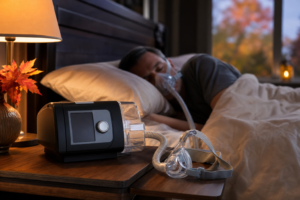
October Sleep Schedule Disruptions How Fall Holidays Affect CPAP Compliance
Understanding October’s Impact on Sleep Apnea Management October hits different for sleep apnea patients. While most people think of pumpkins and cooler weather, those managing their breathing at night face a specific challenge: the season actively works against treatment compliance. The shift from late summer into fall creates a perfect…

Medication Timing Adjustments When Your Sleep Schedule Changes
Understanding How Sleep Schedule Changes Affect Medication Effectiveness Why circadian rhythm disruptions impact sleep apnea treatment outcomes Your body doesn’t just run on a 24-hour clock. It’s more like an orchestra where every instrument needs to play in sync. When your sleep schedule shifts, that orchestration falls apart, and your…

Sleep Debt Accumulation from Irregular Schedules and Treatment Gaps
Understanding Sleep Debt and Its Health Impact How sleep debt accumulates over time and compounds health risks Think of sleep debt like a financial deficit that keeps growing interest. Every night you miss even an hour of quality sleep, your body enters a physiological hole. Miss five hours one week,…