
Memorial Day Weekend Travel Planning for Sleep Apnea Device Users
Essential Pre-Travel Preparation for Sleep Device Users
Picture this: you’re halfway through your Memorial Day weekend getaway when your sleep device starts acting up, leaving you exhausted and unable to enjoy your vacation. For the millions of Americans who depend on sleep therapy equipment, travel planning requires more than just booking flights and hotels.
The reality is that sleep apnea doesn’t take a vacation, and neither should your commitment to quality rest. Whether you’re heading to San Diego’s beautiful beaches or exploring California’s wine country, proper preparation ensures your sleep therapy continues uninterrupted. The key lies in thinking beyond the obvious and preparing for scenarios that might catch other travelers off guard.
Verifying Equipment Functionality Before Departure
Testing your sleep device functionality starts at least one week before travel, not the night before departure. Begin by running a complete diagnostic check on your CPAP or oral appliance, paying attention to any unusual sounds, pressure inconsistencies, or connectivity issues that might indicate developing problems.
For CPAP users, examine tubing for micro-cracks that could worsen during transport, and verify that all connections remain secure under gentle pressure. Check your humidifier chamber for mineral buildup that could affect performance at different altitudes or humidity levels. Many patients discover issues only after they’ve left their familiar sleep environment.
Oral appliance users should schedule a quick fitting verification with their provider, especially if the device feels different lately. Small adjustments that seem manageable at home can become major sleep disruptions when combined with travel stress and unfamiliar sleeping conditions. Document your current settings and comfort level to help troubleshoot any issues that arise during your trip.
Replace consumable components like filters, masks, and tubing before departure rather than gambling on their remaining lifespan. The cost of replacements pales in comparison to sleepless nights in an unfamiliar location. Keep receipts and packaging information, as some hotels and airports now stock emergency supplies for travelers.
Obtaining Medical Documentation and Prescriptions
Medical documentation serves as your insurance policy against travel complications, yet many patients underestimate its importance until they’re facing airport security or customs officials. Request an updated prescription letter from your sleep specialist that includes specific device details, pressure settings, and medical necessity statements.
The Transportation Security Administration requires proper documentation for medical devices, and international travel demands even more comprehensive paperwork. Your letter should specify that your equipment contains medical-grade components that cannot be separated from your person or subjected to X-ray screening damage.
Contact your insurance provider to understand coverage limitations for emergency replacements or repairs while traveling. Some plans offer temporary device loans through participating providers, while others require specific documentation for out-of-network claims. This information becomes critical if you need emergency snoring treatment services while away from home.
Carry multiple copies of your documentation in both physical and digital formats. Store digital copies in cloud storage accessible from any device, and share copies with trusted family members. Include your sleep specialist’s contact information and emergency protocols specific to your treatment plan.
Creating Backup Plans for Device Failure
Device failure during travel transforms a manageable inconvenience into a serious health concern, making backup planning essential rather than optional. Research sleep therapy providers near your destination before departure, focusing on facilities that offer emergency services or equipment loans for traveling patients.
Many national chains maintain cross-location agreements for emergency equipment access, but verification requirements and wait times vary significantly. Contact these providers directly to understand their emergency protocols and required documentation. Some require advance registration for travelers, while others accommodate walk-in emergencies.
Pack a basic repair kit including spare tubing, mask cushions, and power adapters compatible with your destination’s electrical systems. International travelers should verify voltage requirements and pack appropriate converters, as many devices suffer damage from improper electrical connections.
Consider temporary alternatives for short trips, including positional therapy techniques and oral appliance adjustments that provide partial symptom relief. While these methods don’t replace proper sleep therapy, they can prevent dangerous oxygen desaturation episodes until permanent solutions become available.
Coordinating with Sleep Specialists for Extended Trips
Extended travel requires coordination with your sleep therapy team to ensure continuity of care and equipment maintenance. Schedule pre-travel consultations to address potential complications and establish communication protocols for remote troubleshooting.
Discuss data downloading and analysis procedures for trips exceeding one week, as many providers rely on regular data reviews to monitor treatment effectiveness. Establish methods for transmitting sleep data from remote locations, whether through cellular connectivity or periodic uploads during your travels.
For California residents planning extended stays outside their home region, coordinate with local providers who can offer emergency support without disrupting your established treatment protocols. This proves especially valuable for patients requiring frequent pressure adjustments or specialized equipment maintenance.
Create detailed itineraries for your sleep specialist, including accommodation addresses and local emergency contacts. This information enables faster response times if emergency consultations become necessary during your Memorial Day weekend adventures.
Packing Strategies for Sleep Therapy Equipment
Carry-On vs. Checked Luggage Considerations
Your sleep therapy equipment should always travel in your carry-on bag, not checked luggage. Airlines recognize CPAP machines and similar devices as medical equipment, meaning they don’t count toward your carry-on allowance. This gives you an extra bag specifically for your sleep device and accessories.
The primary reason for carry-on placement isn’t just convenience (though that matters too). Checked luggage faces significantly more handling stress, temperature extremes, and potential delays. Your sleep device contains sensitive electronics and calibrated pressure mechanisms that don’t respond well to being tossed around cargo holds or sitting in 120-degree heat on Arizona tarmacs.
Pack your device in its original carrying case if you still have it. These cases provide optimal protection and often include compartments specifically designed for accessories. If you’ve misplaced the original case, invest in a padded travel case before your Memorial Day trip. The cost of replacement equipment far exceeds a quality travel case.
For couples traveling together where both partners use sleep therapy devices, coordinate your packing strategy. One person can handle the devices while the other manages accessories and backup supplies. This prevents doubling up on items like cleaning supplies while ensuring you have everything needed.
Protecting Devices During Transit
Wrap your device in soft clothing or bubble wrap before placing it in the travel case. T-shirts work particularly well because they’re soft, provide cushioning, and you’re already packing them anyway. Position the device so the air intake and exhaust ports face upward in your bag to prevent any accidental blocking during transit.
Remove the water chamber before travel, even if you’re not planning to use distilled water at your destination. Empty chambers can crack under pressure changes, and full ones create unnecessary weight and potential leak risks. Pack the chamber separately, wrapped in a plastic bag and surrounded by soft items.
Temperature considerations become crucial during Memorial Day weekend travel, especially if you’re heading to warmer destinations like Palm Springs or Arizona. Don’t leave your device in a hot car during rest stops. The internal components can warp or malfunction when exposed to extreme heat, requiring costly repairs or replacement.
Consider the vibration factor during road trips. If you’re driving to your destination, place your device case on the floor behind a seat rather than on the seat itself. This minimizes bouncing and provides additional protection from sudden stops or turns.
Essential Accessories and Replacement Parts
Pack at least two extra masks, regardless of your trip length. Masks are the most likely component to fail or become uncomfortable during travel, and finding replacements in tourist areas can be challenging and expensive. Include different mask types if you use them (full face, nasal, or nasal pillows) to give yourself options if one becomes problematic.
Bring extra tubing, especially if you’re traveling for more than three days. Tubing can develop leaks, collect moisture that won’t dry properly in humid destinations, or simply get damaged during packing and unpacking. An extra set weighs almost nothing but provides crucial backup.
Pack cleaning supplies appropriate for travel. Small bottles of device-safe cleaning solution work better than relying on hotel soap, which can leave residues that affect device function. Include cleaning cloths or wipes specifically designed for sleep therapy equipment.
Don’t forget replacement filters. Many travelers overlook this simple item, but filters collect dust and debris more quickly in different environments. Hotel rooms, vacation rentals, and camping areas often have different air quality than your home, making fresh filters particularly important.
Power Solutions for Different Destinations
Verify your device’s power requirements before travel. Most modern sleep therapy devices work with standard household current (110-240V), but older models might need voltage converters for international destinations. Check the power label on your device rather than assuming compatibility.
Pack the appropriate power cord for your destination. International travel requires the correct plug adapter, not just a voltage converter. Many devices come with interchangeable power cords for different countries, but verify you have the right one before leaving home.
For camping or RV travel popular during Memorial Day weekend, consider battery backup options. Several manufacturers offer battery packs specifically designed for sleep therapy devices. These typically provide 8-16 hours of operation, depending on your pressure settings and device model.
Research power availability at your destination beforehand. Some vacation rentals, particularly older properties or budget accommodations, might have limited outlet access near sleeping areas. Bringing a short extension cord with multiple outlets can solve positioning problems without creating safety hazards.
Navigating Airport Security and Transportation
TSA Guidelines for Medical Devices
The Transportation Security Administration recognizes CPAP machines and other sleep therapy devices as essential medical equipment, which means they don’t count toward your carry-on baggage limit. This exemption applies to both domestic flights and international departures from U.S. airports, giving you peace of mind when packing your sleep device alongside regular luggage.
When approaching security checkpoints, remove your CPAP machine from its case and place it in a separate bin for X-ray screening. The device will undergo standard screening procedures, but TSA agents are trained to handle medical equipment with care. Your humidifier chamber should be empty during screening (you can refill it after passing through security using bottled or filtered water).
Batteries and power supplies require special attention during the screening process. Lithium batteries over 100 watt-hours need airline approval before travel, so check your device specifications in advance. Most portable CPAP units fall below this threshold, but it’s worth confirming with your device manufacturer or snoring treatment provider before heading to the airport.
Keep your prescription or doctor’s letter readily accessible, though TSA typically doesn’t require documentation for CPAP machines. Having this paperwork available can expedite the process if questions arise during screening.
International Travel Documentation Requirements
International travel with sleep therapy equipment requires additional preparation beyond domestic flight considerations. Many countries require medical device documentation, particularly for prescription equipment like CPAP machines and custom oral appliances.
Carry a current prescription letter from your healthcare provider that includes your name, the specific device prescribed, and medical necessity. This documentation should be on official letterhead and dated within the past year. Some countries also require translation of medical documents into the local language, particularly in non-English speaking destinations.
Voltage compatibility becomes crucial for international travel, as electrical systems vary significantly between countries. Most modern CPAP machines feature auto-switching power supplies (100-240V), but you’ll still need appropriate plug adapters for your destination. Research the electrical standards for each country on your itinerary well before departure.
Customs declarations might be necessary for expensive medical equipment, depending on the destination country’s import regulations. Keep purchase receipts or insurance documentation to demonstrate the device’s medical purpose and avoid potential duty charges.
European Union countries generally recognize medical devices prescribed in other EU nations, but travelers from outside the EU should prepare comprehensive documentation. Countries like Japan and Australia have specific medical device import procedures that require advance planning.
Communicating with Security Personnel
Clear communication with security personnel can significantly streamline your airport experience when traveling with sleep therapy equipment. Approach screening checkpoints with confidence and proactively inform TSA agents about your medical device before beginning the screening process.
Use simple, direct language when explaining your equipment: “This is my CPAP machine for sleep apnea treatment” or “This is my prescribed oral appliance for sleep therapy.” Avoid technical jargon that might confuse security personnel who aren’t familiar with sleep medicine terminology.
If additional screening becomes necessary, remain patient and cooperative while TSA agents follow their protocols. They might use explosive trace detection swabs on your device or request that you power it on to demonstrate functionality. These procedures are standard for electronic medical devices and don’t indicate any problems with your equipment or documentation.
For travelers with multiple sleep therapy devices or accessories, explain each component’s purpose clearly. Security personnel might not immediately recognize items like heated hoses, full-face masks, or portable humidifiers as medical equipment without explanation.
Alternative Transportation Considerations
While air travel presents the most complex logistics for sleep device users, other transportation methods require their own considerations during Memorial Day weekend travel. Road trips offer the advantage of unlimited baggage space and familiar power sources, but extended driving periods can affect sleep schedules and treatment consistency.
Car travel allows you to bring backup equipment, extra supplies, and even portable battery packs without airline restrictions. However, plan for power access at overnight stops, particularly when camping or staying in older accommodations that might lack convenient electrical outlets near sleeping areas.
Train and bus travel fall somewhere between air and car travel in terms of restrictions and convenience. Amtrak allows medical devices as carry-on items without size restrictions, though power outlet availability varies by train type and seating class. Bus travel typically offers limited power access, making portable battery packs essential for longer journeys.
Cruise ships present unique challenges for sleep device users, particularly regarding power supply compatibility and cabin electrical capacity. Contact your cruise line in advance to confirm cabin outlet types and discuss any special accommodations needed for medical equipment. Many ships provide adapters upon request, but bringing your own ensures compatibility.
For San Diego area residents planning Memorial Day getaways, consider the growing network of sleep-friendly accommodations throughout California that cater specifically to travelers with sleep therapy needs.
Accommodation Planning and Setup
Researching Hotel Amenities and Room Features
When booking accommodations for your Memorial Day weekend trip, calling ahead makes a significant difference for sleep device users. Most hotels can provide specific details about their rooms that aren’t available through online booking platforms. Ask about bedside table configurations, since you’ll need stable surface space within reach of the bed for your equipment.
Many newer hotel chains offer rooms with USB charging ports built into bedside tables, but older properties might have limited outlet access near sleeping areas. Request rooms that were recently renovated, as these typically feature better electrical layouts. Some hotels maintain detailed room diagrams that staff can review with you over the phone.
Blackout curtains become especially important for device users who might wake during the night. Poor room darkening can disrupt your sleep cycle, making it harder to stay asleep even with proper therapy. Hotels in busy areas of San Diego often provide enhanced soundproofing and light control in their premium room categories.
Business-class hotels frequently offer rooms designed with medical device users in mind. These accommodations often include adjustable bed heights, extra electrical outlets, and climate control systems that reduce dry air issues common with sleep therapy equipment.
Electrical Requirements and Outlet Accessibility
Your sleep device requires reliable power throughout the night, making outlet placement a critical consideration. Standard hotel rooms typically have one or two outlets near the bed, but these might already be occupied by alarm clocks or lamps. Bringing a short extension cord with multiple outlets solves most accessibility problems.
International travelers need to research voltage requirements carefully. While most modern sleep devices handle dual voltage (110-240V), older units might require voltage converters in addition to plug adapters. Using the wrong electrical setup can damage expensive equipment and leave you without therapy for the remainder of your trip.
Power outages, though rare, can reset your device settings and potentially interrupt your therapy. Some hotels in areas prone to weather issues offer rooms with backup power systems. For extended stays in coastal California regions, consider accommodations that specifically mention generator backup for essential medical equipment.
Ground fault circuit interrupter (GFCI) outlets in hotel bathrooms might seem convenient for cleaning your equipment, but they can trip unexpectedly. Stick to standard bedroom outlets for your primary device connection, and use bathroom outlets only for equipment cleaning and maintenance tasks.
Noise Considerations and Room Placement
External noise can significantly impact sleep quality, even with effective therapy equipment running. When making reservations, request rooms away from elevators, ice machines, and high-traffic areas like hotel entrances or conference facilities. Corner rooms often provide better noise isolation from neighboring guests.
Your sleep device generates its own operational sounds, which might be more noticeable in unfamiliar environments. Some travelers find that rooms with carpet rather than hard flooring help absorb both equipment noise and sounds from adjacent rooms. Hotels with thicker walls between units reduce the likelihood of disturbing neighbors with your therapy equipment.
Memorial Day weekend brings increased activity to many hotels, particularly those near beaches or popular destinations. Properties with multiple buildings often offer quieter accommodations in structures away from main pools or entertainment areas. These locations provide better rest environments for guests requiring consistent sleep schedules.
Urban hotels might offer rooms on higher floors where street noise becomes less problematic. However, these rooms sometimes experience more air conditioning system noise. Balance your preferences based on your sensitivity to different sound types and your typical sleep environment at home.
Alternative Lodging Options for Device Users
Vacation rentals through established platforms often provide more control over your sleep environment. These properties typically offer full bedrooms with ample space for equipment setup and storage. You can review detailed photos of bedside areas and electrical outlet locations before booking.
Extended-stay hotels cater to guests needing longer-term accommodations and often include features beneficial for medical device users. These properties frequently provide larger rooms, multiple electrical outlets, and sometimes small refrigerators for storing equipment cleaning supplies or backup parts.
Boutique hotels sometimes offer personalized service that includes advance room preparation for guests with special needs. While these accommodations might cost more, the staff attention to detail can ensure your room setup supports effective snoring treatment throughout your stay.
Camping or RV travel requires additional planning but gives you complete control over your sleeping environment. Many RV parks in Southern California now offer electrical hookups that can power standard sleep devices, though you’ll need appropriate adapters and potentially extension cords for proper setup.
Managing Treatment Continuity During Your Trip
Maintaining Consistent Sleep Schedules Across Time Zones
Time zone changes can completely derail your sleep therapy effectiveness, especially when traveling across multiple zones during Memorial Day weekend. Your body’s circadian rhythm doesn’t adjust as quickly as your device settings, creating a mismatch that affects treatment quality.
Start adjusting your sleep schedule three days before departure. Shift your bedtime and wake time by 30 minutes each day toward your destination schedule. This gradual approach helps your body adapt while maintaining consistent therapy hours. Your CPAP or oral appliance works best when paired with regular sleep timing, not just proper pressure settings.
During travel days, resist the urge to skip therapy for naps or irregular sleep periods. Even short 2-3 hour sleep sessions benefit from device use, particularly if you’re prone to airway collapse. Many patients notice increased snoring and fragmented sleep when they abandon their routine, even briefly.
Consider your destination’s time zone when planning activities. If you’re traveling west from San Diego to Hawaii (lucky you!), the later sunlight can delay your natural sleep onset. Use your device’s built-in sleep tracking features to monitor how time zone shifts affect your therapy data and sleep quality metrics.
Adapting to Different Sleeping Environments
Hotel rooms, vacation rentals, and guest bedrooms present unique challenges for sleep apnea treatment that go beyond just finding an electrical outlet. Room temperature, humidity levels, and ambient noise can significantly impact your therapy effectiveness and comfort.
Dry hotel air often worsens mask seal issues and increases morning throat irritation. Request a humidifier from housekeeping, or pack a small portable unit if you’re staying multiple nights. Many modern CPAP machines have built-in heated humidifiers, but they work harder in arid environments and may require water refills during the night.
Unfamiliar bed heights and pillow arrangements can alter your head and neck positioning, affecting airway alignment regardless of your device settings. Bring your own pillow if possible, or request extra pillows to recreate your home setup. Side sleepers particularly struggle with different mattress firmness levels that can shift their jaw position throughout the night.
Noise disruptions from nearby rooms, traffic, or air conditioning units can fragment your sleep despite proper device function. Pack earplugs or a white noise app as backup. Some patients find that combining their therapy device with consistent background sound improves their overall sleep architecture, leading to better treatment outcomes.
Troubleshooting Common Device Issues Away from Home
Device malfunctions always seem to happen at the worst possible times, like during holiday weekends when support services have limited availability. Knowing how to handle basic troubleshooting can save your vacation sleep quality.
Mask seal problems top the list of travel-related issues. Different water minerals in hotel areas can leave residue on your mask, breaking the seal. Pack distilled water for cleaning, and always rinse your mask with bottled water if tap water seems particularly hard or chlorinated. A compromised seal not only reduces therapy effectiveness but can cause uncomfortable air leaks that wake you and your partner.
Power fluctuations in older hotels or vacation rentals can affect device calibration. If your machine seems louder than usual or pressure feels inconsistent, try unplugging for 30 seconds and restarting. This simple reset resolves many electronic glitches that develop during travel.
High altitude destinations (think Colorado mountain trips) can affect device pressure calculations. Most modern machines auto-adjust, but older models may need manual altitude settings. Check your device manual before departing, and don’t hesitate to contact your sleep center for guidance on altitude adjustments above 8,000 feet.
Emergency Resources and Local Sleep Centers
Device failures during travel require quick solutions, especially for severe sleep apnea patients who cannot safely sleep without therapy. Research local sleep centers and durable medical equipment providers before you travel, not when you’re facing a 2 AM emergency.
Most major cities have 24-hour medical supply stores that stock basic CPAP supplies and rental machines. Save their contact information in your phone along with your device’s serial number and current prescription details. Many insurance plans cover emergency equipment rentals, but you’ll need proper documentation.
If you’re traveling within California, snoring treatment specialists can often provide temporary solutions or emergency consultations via telemedicine. Some sleep centers offer reciprocal support agreements with facilities in popular vacation destinations.
For oral appliance users, local dentists familiar with sleep devices can provide emergency adjustments or temporary replacements. However, this requires your device specifications and fitting records, so photograph your current appliance settings before traveling.
Keep your sleep physician’s contact information readily available, along with your latest sleep study results and current treatment settings. During holiday weekends, having complete information helps emergency providers make informed decisions about temporary treatment modifications.
Post-Travel Recovery and Equipment Maintenance
Cleaning and Sanitizing Equipment After Travel
Travel exposes your sleep therapy equipment to various environments that require thorough cleaning before resuming regular use at home. Hotels, airports, and transportation vehicles introduce dust, bacteria, and other contaminants that can accumulate on your device components throughout your Memorial Day weekend trip.
Start by disassembling your CPAP machine completely, separating the mask, tubing, humidifier chamber, and any filters. Use warm soapy water to clean the mask and tubing, allowing them to air dry completely before reassembly. The humidifier chamber requires special attention since stagnant water during travel can promote bacterial growth.
Replace disposable filters immediately after returning home, as they often collect more particles during travel than normal home use. Inspect all equipment for signs of damage that might have occurred during transportation, checking for cracks in the mask seal or kinks in tubing that could affect therapy effectiveness.
Consider using specialized CPAP cleaning wipes for quick sanitization of the device exterior and control panel. Many San Diego area sleep therapy patients find that establishing a post-travel cleaning routine helps maintain equipment longevity and ensures optimal hygiene standards for nightly treatment.
Readjusting to Home Sleep Routines
Returning to your familiar bedroom environment after travel often requires intentional steps to reestablish consistent sleep patterns. Your body may need several nights to readjust to your home timezone, sleep schedule, and familiar surroundings, especially if you traveled across multiple time zones during your Memorial Day weekend.
Resume your regular bedtime routine immediately, even if you feel tempted to stay up later or sleep in after vacation. Consistency helps your circadian rhythm stabilize more quickly than attempting to gradually shift back to normal timing.
Pay attention to humidity levels in your bedroom compared to your travel destinations. California’s coastal climate in areas like Solana Beach differs significantly from other regions, and your usual humidifier settings might need slight adjustments if you traveled to particularly dry or humid locations.
Monitor your sleep quality during the first week home, noting any persistent issues that might indicate equipment problems or settings that need professional evaluation. Some patients experience temporary difficulty with mask fit or pressure comfort after travel, requiring minor readjustments to restore optimal therapy effectiveness.
Evaluating Travel Impact on Sleep Quality
Document your sleep experience throughout the trip and first week home to identify patterns that inform future travel planning. Track metrics like hours slept, number of wake-ups, morning fatigue levels, and any breathing interruptions your partner might have noticed during travel nights.
Compare your travel sleep data with your typical home therapy results to assess whether your portable setup maintained treatment effectiveness. Modern CPAP machines store usage data that your sleep specialist can review to determine if pressure settings, leak rates, or usage hours differed significantly from your baseline.
Note any symptoms that emerged during travel, such as increased morning headaches, excessive daytime sleepiness, or throat irritation. These indicators often reveal areas where your travel routine or equipment setup needs improvement for future trips.
Consider whether accommodation factors like room temperature, noise levels, or bed comfort affected your sleep quality independent of your therapy equipment. Understanding these environmental impacts helps distinguish between equipment-related issues and situational sleep challenges that different hotel choices could address.
Planning Improvements for Future Trips
Use insights from your Memorial Day weekend experience to refine your travel sleep strategy for upcoming trips. Create a checklist of items that worked well alongside notes about equipment or routine adjustments that would improve future travel experiences.
Evaluate whether your current portable equipment met your needs or if investing in travel-specific accessories would enhance your setup. Some patients benefit from upgrading to smaller humidifier chambers, longer tubing, or more compact carrying cases after experiencing the limitations of their initial travel configuration.
Research accommodation options more thoroughly for future destinations, prioritizing hotels that explicitly welcome medical equipment and offer amenities like accessible power outlets near beds. Building relationships with hotel chains that consistently provide excellent service for sleep therapy users streamlines future booking decisions.
Document your successful strategies for maintaining treatment compliance while traveling, including backup plans that proved valuable when unexpected situations arose. This preparation becomes increasingly important as you plan longer trips or visit destinations with more complex logistical challenges.
Effective travel management for sleep therapy users requires ongoing refinement based on real-world experience. If your Memorial Day weekend revealed areas where your treatment routine needs professional adjustment or if you’re considering upgrades to your travel equipment setup, connecting with experienced providers who understand the unique challenges of maintaining therapy consistency while traveling can help ensure your future adventures never compromise your sleep health.
Our Blogs
Our Latest Content
Explore our blog for expert insights, patient experiences, and the latest updates on complete sleep apnea treatment.
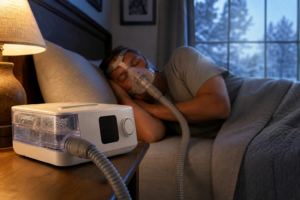
Device Humidifier Settings for Fall and Winter What Changes You Need to Make
Why Humidifier Settings Change When Temperature Drops Your sleep apnea device has been working great all summer and fall. You’re hitting your therapy goals, your partner stopped mentioning snoring, and you’ve finally hit that sweet spot with your settings. Then November hits. Suddenly your throat feels drier. You’re waking up…
Daylight Saving Time Sleep Apnea Adjustment A Clinical Guide for 2026
Understanding the Impact of Daylight Saving Time on Sleep Apnea Patients When that first Sunday in March rolls around each year, most people think about losing an hour of sleep. For sleep apnea patients, though, daylight saving time represents something far more clinically significant: a sudden disruption to the precise…
Why Snoring Increases During Autumn Weather Changes and What Patients Should Know
Understanding the Connection Between Seasonal Changes and Sleep-Disordered Breathing You’ve made it through a solid sleep routine all summer, but something shifts when September rolls around. Your spouse mentions the snoring’s gotten worse. You wake up more tired than usual, even though you’re hitting your normal sleep hours. And if…