
May 2026 Updates to Sleep Apnea Treatment Insurance Requirements
Overview of May 2026 Insurance Policy Changes
The sleep apnea treatment landscape is about to shift dramatically. Starting May 1, 2026, insurance providers across California will implement the most comprehensive changes to sleep disorder coverage requirements in over a decade. These updates represent a fundamental restructuring of how patients access treatment, what documentation providers must submit, and how long the approval process takes.
For the estimated 18% of San Diego County adults living with sleep apnea, these changes will directly impact everything from initial diagnosis costs to ongoing equipment maintenance coverage. The new requirements aim to standardize care protocols while reducing fraudulent claims, but they also introduce additional steps that patients and providers must navigate together.
What makes these 2026 updates particularly significant is their focus on evidence-based treatment pathways. Rather than blanket approvals for standard equipment, insurers will now require detailed justification for specific device types, pressure settings, and follow-up schedules. This shift toward personalized coverage mirrors the growing emphasis on individualized sleep medicine approaches.
Timeline and Implementation Schedule
The rollout begins with a phased approach across three distinct periods. From January through April 2026, insurance providers must complete internal system updates and staff training on the new protocols. This preparation phase allows companies to adjust their review processes without disrupting current patient care.
May 1, 2026 marks the official start date when all new sleep apnea treatment requests must follow updated guidelines. Existing patients with active treatment plans remain grandfathered under previous requirements until their annual renewal dates. However, any equipment replacements or therapy modifications after May 1st will trigger the new review process.
The transition period extends through August 2026, during which insurers must maintain dual processing systems. This overlap prevents treatment delays while providers adapt to the enhanced documentation requirements. By September 1st, all legacy protocols will be discontinued, and the new framework becomes the sole pathway for coverage decisions.
Key Regulatory Bodies Behind the Updates
The California Department of Insurance spearheaded these changes following a two-year review of sleep disorder treatment claims. Their analysis revealed significant variations in approval rates between different insurers, with some patients facing unnecessarily complex barriers while others received approvals with minimal oversight.
The American Academy of Sleep Medicine provided technical guidance on clinical standards, ensuring the new requirements align with current best practices. Their input focused on establishing clear criteria for when home sleep testing suffices versus when comprehensive lab studies become necessary.
Medicare’s influence cannot be overlooked, as their updated reimbursement policies for durable medical equipment often set the standard that private insurers follow. The 2026 changes incorporate several Medicare provisions that emphasize treatment compliance monitoring and outcome measurement.
The California Medical Association also contributed significantly, particularly regarding provider burden. Their advocacy helped streamline certain documentation requirements while maintaining the clinical rigor needed for appropriate care authorization.
How These Changes Differ from Previous Requirements
Previously, most insurers relied heavily on basic sleep study results and physician recommendations for treatment approval. The new system requires comprehensive treatment plans that include specific equipment justifications, expected outcomes, and monitoring schedules.
Where patients once needed only a prescription for CPAP equipment, they now must provide detailed symptom logs, quality of life assessments, and often a trial period with temporary equipment. This shift recognizes that effective snoring treatment requires more than just equipment delivery.
The documentation timeline has also expanded significantly. Instead of 30-day approval windows, insurers now have up to 60 days for complex cases requiring specialist review. However, emergency situations maintain expedited 48-hour processing for patients with severe symptoms.
Another major change involves ongoing compliance monitoring. Previous policies rarely tracked long-term equipment usage or treatment effectiveness. The 2026 requirements mandate quarterly usage reports and annual outcome assessments to maintain coverage.
Impact on Major Insurance Providers
Blue Shield of California announced the most comprehensive changes, implementing new prior authorization requirements for all sleep disorder treatments above basic CPAP therapy. Their updated system requires specialist consultation for bi-level devices and oral appliances, potentially affecting thousands of patients across Southern California.
Kaiser Permanente’s approach focuses on integrated care pathways, leveraging their existing infrastructure to streamline the new requirements. Their members may actually experience faster approvals due to better coordination between sleep specialists and primary care providers.
Anthem Blue Cross plans to introduce tiered approval processes, with standard CPAP treatments maintaining relatively simple authorization while advanced therapies require enhanced documentation. This graduated approach aims to balance administrative efficiency with clinical oversight.
Smaller regional insurers face the greatest challenges, as they must develop new review processes without the resources of larger companies. Many are partnering with third-party medical review organizations to manage the increased complexity while maintaining timely decisions for their members.
Updated Diagnostic Requirements and Prior Authorization
New Sleep Study Documentation Standards
The May 2026 updates introduce significantly stricter documentation requirements for sleep studies, fundamentally changing how insurance companies evaluate treatment eligibility. Traditional overnight polysomnography reports must now include detailed oxygen saturation data recorded at 30-second intervals, comprehensive sleep architecture analysis, and specific arousal index measurements that weren’t previously mandatory.
Insurance providers are now requiring sleep centers to document equipment calibration records, technician certification levels, and environmental factors during testing. This means patients seeking snoring treatment coverage will need studies that meet these enhanced technical specifications. Sleep labs across California are already updating their protocols to ensure compliance with these new standards.
The documentation must also include photographic evidence of proper sensor placement and continuous monitoring verification. These requirements aim to reduce fraudulent claims but create additional administrative burden for both providers and patients. Sleep centers that fail to meet these standards will have their studies rejected outright, requiring patients to repeat testing at compliant facilities.
Changes to Home Sleep Test Acceptance
Home sleep testing acceptance has become more restrictive under the 2026 guidelines, with insurance companies now limiting coverage scenarios where these convenient at-home options qualify for reimbursement. Previously accepted Type III portable monitors must now demonstrate specific technical capabilities, including dual-channel respiratory effort measurement and validated automatic scoring algorithms.
The new criteria exclude patients with certain comorbidities from home testing eligibility, including those with moderate to severe heart failure, chronic lung disease, or neurological disorders affecting breathing patterns. This change particularly impacts San Diego area patients who previously relied on home testing for initial diagnosis, as many will now require facility-based studies.
Insurance companies are also mandating that home sleep tests include minimum monitoring duration of six hours with usable data, compared to the previous four-hour requirement. Additionally, studies showing inconclusive results can no longer be supplemented with clinical symptoms alone. Patients must undergo repeat testing or facility-based polysomnography, creating potential delays in accessing treatment and increasing overall healthcare costs.
Prior Authorization Process Modifications
The prior authorization landscape has transformed dramatically, with insurance companies implementing multi-tiered approval processes that extend review timelines from weeks to months. Healthcare providers must now submit comprehensive treatment justification packages that include detailed medical histories, symptom severity scoring, and evidence of conservative treatment failures before approval consideration.
New peer-to-peer review requirements mean that primary care physicians can no longer initiate sleep apnea treatment authorization requests. Instead, patients must obtain specialist referrals first, creating additional appointment delays and potentially limiting access to care. The authorization process now requires documentation of specific symptom thresholds, including measurable impacts on daily functioning and cardiovascular risk factors.
Insurance companies have also introduced step-therapy protocols requiring patients to demonstrate compliance with lifestyle modifications for specific periods before device approval. This includes documented weight management attempts, sleep hygiene education completion, and proof of position therapy trials. Providers offering comprehensive services are adapting their workflows to accommodate these extended approval timelines while maintaining patient care quality.
Required Physician Specialist Referrals
Perhaps the most significant change involves mandatory specialist involvement in sleep apnea diagnosis and treatment pathways. Primary care physicians can no longer independently diagnose sleep apnea or prescribe treatment devices without documented specialist consultation. Board-certified sleep medicine physicians or pulmonologists must now provide formal evaluations before insurance approval.
This requirement creates appointment bottlenecks in regions like Southern California where specialist availability is already limited. Patients experiencing sleep disruption must now navigate multiple provider visits, potentially waiting months for specialist consultations. The new guidelines also specify that specialists must have current board certification and meet minimum annual continuing education requirements in sleep medicine.
Telemedicine consultations with specialists are permitted under specific circumstances, but insurance companies require detailed documentation proving that remote evaluation adequately addresses patient needs. This flexibility helps reduce geographic barriers but introduces technology requirements that may challenge some patient populations. Sleep care providers are working to establish specialist partnerships that streamline referral processes while ensuring patients receive timely, appropriate care within these new regulatory frameworks.
CPAP and Medical Device Coverage Changes
Equipment Rental vs. Purchase Policy Updates
The May 2026 insurance changes introduce significant shifts in how CPAP and sleep apnea equipment financing works. Most major insurers now require a mandatory 90-day rental period before patients can purchase their devices outright. This represents a departure from previous policies that often allowed immediate purchase options for qualifying patients.
During this rental phase, patients must demonstrate consistent usage (typically 4+ hours per night for 70% of nights) through device data monitoring. Insurance companies will review compliance data at 30, 60, and 90-day intervals. Only after meeting these benchmarks can patients transition to ownership, with rental payments typically applied toward the purchase price.
The new structure affects upfront costs differently across California regions. In San Diego County, patients should expect monthly rental fees ranging from $150-$300 depending on their specific device requirements. For those seeking snoring treatment solutions, custom oral appliances remain outside this rental mandate, often providing a more straightforward path to ownership.
Supplier Network and DME Provider Requirements
Insurance networks have become more restrictive regarding approved durable medical equipment (DME) providers. Starting May 2026, patients must work exclusively with in-network suppliers for equipment coverage, with limited exceptions for specialized devices unavailable through standard channels.
This change particularly impacts patients who have established relationships with specific providers. Many insurers now maintain preferred provider lists with fewer than 50% of previously approved suppliers. Patients should verify their current provider’s network status before the policy effective date to avoid unexpected out-of-pocket expenses.
The new requirements also mandate that DME providers maintain specific accreditation standards and demonstrate outcome tracking capabilities. Providers must submit quarterly compliance reports to insurance companies, documenting patient adherence rates and treatment effectiveness. These enhanced oversight measures aim to improve care quality but may limit provider options in certain geographic areas.
Maintenance and Replacement Coverage Adjustments
Equipment maintenance and replacement schedules have been standardized across most insurance plans, with both benefits and restrictions for patients. CPAP masks now qualify for replacement every three months instead of the previous six-month standard, acknowledging that proper fit deteriorates more quickly than previously recognized.
However, machine replacement timelines have extended from three to five years for standard devices. Patients experiencing equipment failures within the first three years must now document technical issues through manufacturer support before insurance will approve early replacements. This process typically requires 30-45 days of troubleshooting documentation.
Tubing, filters, and water chambers maintain monthly or quarterly replacement schedules depending on usage patterns. The updated policies include coverage for humidity chamber replacements when patients demonstrate consistent high-humidity usage, addressing comfort issues that previously required out-of-pocket expenses. For comprehensive guidance on equipment maintenance during treatment, our ongoing patient support protocols help ensure optimal equipment performance.
New Technology and Smart Device Coverage
Advanced sleep technology coverage represents one of the most significant improvements in the 2026 updates. Insurance plans now include coverage for smartphone-connected devices that provide real-time sleep data and automated pressure adjustments. These smart CPAP machines, previously considered luxury upgrades, are now covered at standard equipment rates when prescribed by sleep specialists.
Remote monitoring capabilities receive enhanced coverage recognition, with insurers acknowledging that connected devices improve treatment adherence and reduce follow-up appointment frequency. Patients using smart devices can often extend periods between in-person consultations from quarterly to semi-annual visits, reducing overall healthcare costs.
Sleep tracking integration with electronic health records becomes a coverage requirement rather than an option. Devices must transmit usage data directly to healthcare providers, eliminating manual reporting and improving treatment adjustment responsiveness. This technological integration supports the shift toward data-driven sleep medicine that emphasizes measurable outcomes.
Coverage for companion mobile applications that help patients track symptoms, adjust comfort settings, and communicate with providers is now included in standard DME benefits. These digital tools, when used consistently, often result in faster treatment optimization and improved patient satisfaction. For patients exploring comprehensive treatment approaches, understanding how equipment selection work together becomes essential for maximizing both clinical outcomes and insurance benefits.
Alternative Treatment Options and Coverage
Oral Appliance Therapy Coverage Expansion
The May 2026 updates represent a significant shift in how insurers approach oral appliance therapy coverage. Previously, many plans required patients to fail CPAP therapy before considering custom oral devices, creating unnecessary delays and frustration. The new guidelines establish oral appliances as first-line treatment options for mild to moderate sleep apnea cases.
Insurance providers now recognize that custom-fitted oral devices offer comparable efficacy to CPAP for many patients, particularly those who struggle with mask tolerance. Coverage criteria have expanded to include patients with AHI scores between 5-30 events per hour, provided they meet specific anatomical requirements. This change benefits thousands of patients across California who previously faced coverage denials.
The updated requirements mandate that oral appliance therapy must be provided by qualified dental sleep medicine specialists. Insurers will require documentation of proper fitting protocols, follow-up appointments, and objective sleep studies to verify treatment effectiveness. Patients in San Diego County can expect streamlined approval processes when working with certified providers who understand these new documentation standards.
Surgical Intervention Insurance Requirements
Surgical treatment coverage has undergone substantial revision under the 2026 guidelines. Insurance plans now cover a broader range of procedures, including uvulopalatopharyngoplasty (UPPP), maxillomandibular advancement, and hypoglossal nerve stimulation therapy. However, the approval process requires more rigorous documentation than previous years.
Prior authorization for surgical interventions demands comprehensive sleep studies, failed conservative treatment documentation, and detailed anatomical assessments. Patients must demonstrate unsuccessful outcomes with both CPAP therapy and oral appliances before qualifying for surgical coverage. The new requirements also specify minimum surgeon qualifications and facility accreditation standards.
Hypoglossal nerve stimulation represents the most significant coverage expansion. Previously considered experimental by many insurers, this therapy now receives standard coverage for patients with moderate to severe sleep apnea who cannot tolerate positive airway pressure devices. The approval process requires specific AHI thresholds and BMI limitations, making patient selection more stringent but coverage more reliable.
Positional Therapy and Lifestyle Program Coverage
Insurance recognition of positional therapy marks a notable advancement in comprehensive sleep apnea treatment coverage. The 2026 updates acknowledge that positional sleep apnea affects approximately 30% of all cases, making targeted interventions both medically appropriate and cost-effective for insurers.
Coverage now includes FDA-approved positional therapy devices, structured weight management programs, and supervised exercise protocols when prescribed by sleep medicine specialists. These programs must demonstrate measurable outcomes through objective monitoring, including home sleep studies and patient-reported outcome measures.
Lifestyle intervention coverage requires multidisciplinary care coordination between sleep physicians, nutritionists, and exercise specialists. Insurance plans will cover up to 12 months of supervised programming, provided patients meet specific participation requirements and achieve documented progress markers. This approach recognizes that addressing underlying factors often reduces treatment equipment dependence.
The updated guidelines also cover positional training devices that use vibrotactile feedback to prevent supine sleeping positions. These devices must receive FDA clearance and demonstrate clinical effectiveness through peer-reviewed studies. Patients experiencing predominantly positional sleep apnea can now access these targeted interventions without exhausting traditional therapy options first.
Emerging Treatment Options Under Review
Several innovative treatment approaches are currently under insurance review for potential coverage inclusion by late 2026 or early 2027. These emerging therapies represent the cutting edge of sleep apnea management, though coverage decisions remain pending final clinical data review.
Combination therapy protocols, which integrate multiple treatment modalities simultaneously, show promising coverage potential. Early studies suggest that combining oral appliances with positional therapy or supplemental oxygen can improve outcomes for complex cases. Insurance reviewers are examining cost-effectiveness data to determine appropriate coverage criteria.
Pharmacological interventions targeting upper airway muscle tone are gaining attention from coverage committees. While traditional sleep medications remain excluded, newer compounds that specifically address obstructive mechanisms may qualify for coverage when used alongside established therapies.
Advanced home monitoring technologies also await coverage decisions. These systems provide continuous sleep quality assessment and treatment effectiveness measurement, potentially replacing traditional in-lab sleep studies for routine monitoring. The integration of artificial intelligence in treatment optimization represents another area under active insurance review.
Patients should discuss these emerging options with their sleep medicine providers to understand potential coverage timelines and clinical trial opportunities. While immediate coverage remains uncertain, staying informed about developing treatments helps patients and providers prepare for future therapeutic possibilities.
Patient Compliance and Monitoring Requirements
New Data Reporting and Usage Tracking Standards
Insurance providers are implementing sophisticated data collection requirements that go far beyond simple usage hours. Starting May 2026, patients must provide detailed metrics including mask seal effectiveness, pressure tolerance patterns, and sleep position data. These enhanced tracking standards require compatible equipment that can capture granular sleep data and transmit it seamlessly to healthcare providers.
The new reporting framework mandates daily data transmission for the first 90 days of treatment, followed by weekly reports thereafter. Insurance companies will monitor specific metrics like leak rates (must stay below 24 liters per minute), usage consistency (tracking gaps longer than two hours), and pressure adjustments made by the device. Patients using older equipment may need upgrades to meet these technical specifications.
For San Diego patients, this means working closely with sleep care teams to ensure devices are properly configured for automated reporting. The data requirements also extend to alternative treatments, with oral appliances requiring specialized sensors to track wear time and jaw positioning throughout the night.
Compliance Thresholds for Continued Coverage
The traditional four-hour minimum usage standard is being replaced with more nuanced compliance metrics. Insurance companies will now evaluate treatment effectiveness through a composite score that includes usage duration, therapeutic pressure delivery, and sleep quality improvements measured through standardized assessments.
Patients must demonstrate consistent usage for at least 21 nights per month, with each session lasting minimum five hours of effective therapy time (not just device-on time). The new standards also require maintaining optimal pressure delivery for 85% of each session, meaning frequent mask adjustments or air leaks can impact compliance scores even when usage hours meet requirements.
What makes this particularly challenging is the introduction of progressive compliance targets. During the first month, patients need 70% compliance, increasing to 85% by month three, and reaching 90% for long-term coverage. Insurance providers will review compliance data quarterly rather than annually, creating more frequent checkpoints where coverage decisions are made.
For patients struggling with adaptation, insurance companies are requiring documentation of specific intervention attempts. This includes mask refittings, pressure adjustments, and participation in ongoing support programs before considering coverage exceptions or alternative treatments.
Remote Monitoring Technology Requirements
All covered sleep apnea treatments must now include FDA-approved remote monitoring capabilities that provide real-time data access to healthcare teams. This represents a significant shift from periodic data downloads to continuous connectivity requirements that enable immediate intervention when therapy issues arise.
The technology standards specify secure cloud-based platforms that can integrate with electronic health records and provide automated alerts for compliance concerns. Devices must support encrypted data transmission, patient privacy protection, and healthcare provider dashboard access that meets HIPAA requirements while enabling timely clinical responses.
Insurance companies are partnering with specific technology platforms, which means patients may need to switch to approved monitoring systems even if their current treatment is effective. The remote monitoring requirement also extends to backup equipment, ensuring continuity of data collection during device maintenance or replacement periods.
For patients in Southern California, this technological shift requires reliable internet connectivity and smartphone compatibility. Sleep care providers are adapting their support services to include technology troubleshooting and patient education about data privacy and sharing permissions.
Appeals Process for Non-Compliance Issues
The 2026 updates introduce a structured appeals pathway specifically designed for sleep apnea compliance disputes. Patients facing coverage denial due to compliance issues now have access to expedited review processes that consider medical complexity and individual adaptation challenges rather than applying blanket standards.
The appeals process requires comprehensive documentation from sleep medicine specialists, including treatment history, adaptation attempts, and clinical justification for coverage continuation. Patients must demonstrate good faith efforts to achieve compliance through documented interventions such as mask trials, pressure titrations, or alternative positioning strategies.
Insurance companies must respond to initial appeals within 30 days and provide detailed explanations for continued denials. The process includes provision for independent medical reviews conducted by board-certified sleep medicine physicians who aren’t affiliated with the insurance provider, ensuring objective evaluation of complex cases.
Importantly, the appeals process recognizes that some patients require extended adaptation periods due to medical conditions like claustrophobia, TMJ disorders, or complex sleep-disordered breathing patterns. Documentation of these complicating factors can extend compliance timelines and modify success metrics, providing more realistic pathways to maintain coverage while achieving therapeutic benefits.
Preparing for the Transition Period
Steps for Current Sleep Apnea Patients
Current sleep apnea patients should begin preparing for the May 2026 insurance changes immediately. Start by scheduling a comprehensive review appointment with your sleep specialist to assess your current treatment effectiveness and discuss potential adjustments under the new requirements.
Review your existing compliance data from the past 12 months. Most insurance providers will require demonstrable usage patterns showing consistent therapy adherence, typically defined as using treatment equipment for at least four hours per night, 70% of nights. If your compliance data shows gaps, work with your provider to develop strategies for ongoing support that addresses any barriers to consistent use.
Gather all medical records related to your sleep apnea diagnosis and treatment history. This includes initial sleep study results, follow-up assessments, and any adjustments made to therapy settings. Having complete documentation ready will streamline the transition process and prevent delays in coverage approval.
Consider scheduling any needed equipment upgrades or replacements before May 2026. Current patients often find that proactive equipment maintenance and upgrades can prevent coverage interruptions during policy transitions.
Healthcare Provider Preparation Checklist
Sleep medicine practices across Southern California should begin implementing systematic preparation protocols now. Start by auditing current documentation practices to ensure they align with the enhanced requirements expected under 2026 policies.
Establish standardized workflows for the new prior authorization processes. Many providers underestimate the administrative burden these changes will create, particularly for practices managing large patient volumes. Training staff on updated submission procedures and developing template documentation can significantly reduce processing delays.
Review your patient monitoring systems and ensure they capture the granular compliance data that insurers will require. This might involve upgrading data management systems or implementing new patient communication protocols to maintain consistent contact throughout treatment periods.
Develop clear patient education materials explaining the new requirements. Patients who understand the compliance expectations and documentation needs are more likely to maintain coverage eligibility throughout the transition period.
Documentation and Record-Keeping Updates
The enhanced documentation requirements under 2026 policies will demand more detailed record-keeping than current standards. Sleep medicine providers must begin implementing comprehensive tracking systems that capture not just basic compliance metrics, but also treatment outcomes and patient-reported improvements.
Establish protocols for regular patient check-ins and outcome assessments. Insurance providers will likely require documented evidence of treatment effectiveness, including improvements in daytime sleepiness, quality of life measures, and objective sleep quality indicators.
Implement secure digital systems for storing and retrieving patient records. The increased documentation burden means practices need efficient systems for managing larger volumes of patient data while maintaining HIPAA compliance and ensuring easy access during authorization reviews.
Create backup documentation procedures to prevent coverage delays due to missing records. This includes maintaining redundant storage systems and establishing clear protocols for accessing historical patient data when needed for insurance reviews.
Patient Advocacy and Support Resources
Understanding your rights as a sleep apnea patient becomes crucial during this transition period. Familiarize yourself with your insurance plan’s appeal processes and know how to advocate effectively for continued coverage if initial authorizations are denied.
Connect with patient advocacy organizations and sleep apnea support groups in the San Diego area. These communities often provide valuable insights into navigating insurance challenges and can offer practical advice from patients who have successfully maintained coverage through policy changes.
Consider working with sleep medicine practices that emphasize personalized care approaches. Providers who take time to understand individual patient needs and document comprehensive treatment plans are better positioned to support patients through insurance transitions.
The months leading up to May 2026 represent a critical preparation period for sleep apnea patients and providers alike. Taking proactive steps now will help ensure continuity of care and prevent treatment interruptions during the policy transition. Whether you’re seeking initial treatment or managing ongoing therapy, partnering with experienced providers who understand these evolving requirements will be essential for maintaining access to effective sleep apnea care in Southern California and beyond.
Related Posts
Our Blogs
Our Latest Content
Explore our blog for expert insights, patient experiences, and the latest updates on complete sleep apnea treatment.

Daylight Saving Time Sleep Apnea Adjustment A Clinical Guide for 2026
Understanding the Impact of Daylight Saving Time on Sleep Apnea Patients When that first Sunday in March rolls around each year, most people think about losing an hour of sleep. For sleep apnea patients, though, daylight saving time represents something far more clinically significant: a sudden disruption to the precise…

Why Snoring Increases During Autumn Weather Changes and What Patients Should Know
Understanding the Connection Between Seasonal Changes and Sleep-Disordered Breathing You’ve made it through a solid sleep routine all summer, but something shifts when September rolls around. Your spouse mentions the snoring’s gotten worse. You wake up more tired than usual, even though you’re hitting your normal sleep hours. And if…
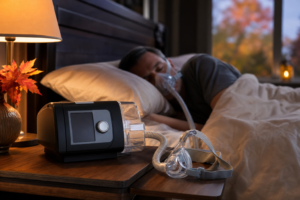
October Sleep Schedule Disruptions How Fall Holidays Affect CPAP Compliance
Understanding October’s Impact on Sleep Apnea Management October hits different for sleep apnea patients. While most people think of pumpkins and cooler weather, those managing their breathing at night face a specific challenge: the season actively works against treatment compliance. The shift from late summer into fall creates a perfect…