
Air Conditioning Effects on Sleep Apnea Device Performance This Summer
Understanding the Summer Challenge for Sleep Apnea Therapy
How summer heat and humidity impact sleep quality for apnea patients
Living in San Diego, we’re no strangers to warm summers. But for individuals dealing with Sleep Apnea, those rising temperatures and increased humidity levels can throw a real wrench into their nightly routine. It’s not just about feeling a bit sweaty; the relentless heat directly affects physiological sleep patterns, exacerbating existing sleep problems. High ambient temperatures can lead to more frequent awakenings, reduce the overall duration of sleep, and decrease the amount of restorative deep sleep phases. Think about it: when your body is working overtime to regulate its temperature, it’s harder to achieve the deep relaxation needed for quality rest.
Humidity, on the other hand, can make the air feel heavy and stifling, compounding breathing difficulties, especially for those who already struggle. This sticky air can also irritate nasal passages, making it feel harder to breathe comfortably even without obstruction. For people with untreated sleep apena san, this combination of heat and humidity can significantly worsen symptoms like snoring, gasping, and restless sleep. It’s a vicious cycle where poor sleep due to heat can, in turn, make apnea symptoms more pronounced, leading to even worse sleep quality. And let’s be honest, who wants to wake up feeling even more tired than when they went to bed, especially when the sun is beaming down?
The critical role of CPAP and other sleep devices in effective treatment
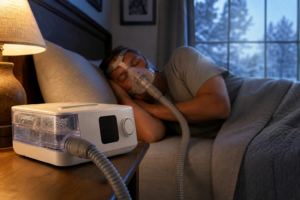
For many patients, especially those in areas like sleep apnea solana, CPAP (Continuous Positive Airway Pressure) machines and other specialized sleep devices are absolute game-changers. These aren’t just gadgets; they’re vital pieces of equipment that deliver consistent air pressure to keep airways open throughout the night, effectively mitigating the dangerous sleep apnea side. Without this consistent pressure, the repeated pauses in breathing that define apnea would wreak havoc on the body, leading to a host of health issues, from cardiovascular problems to chronic fatigue.
The sleep assessment and subsequent sleep device creation process ensures that each patient receives tailored treatment designed for their specific needs, whether it’s a traditional CPAP, a BiPAP, or an oral appliance for snoring treatment. These devices are the cornerstone of managing sleep apnea, transforming restless nights into restorative ones. But, as we head into summer, maintaining that effectiveness becomes a little more nuanced, as environmental factors start to play a bigger role in how well your device works and how much comfort it provides.
Initial considerations: why air conditioning becomes a key factor
So, where does air conditioning fit into all this? Well, it’s not just a luxury; for many sleep apnea patients, especially during warmer months, it becomes an integral part of their ongoing support. The primary role of AC is obviously temperature control, which directly combats the issues of overheating and excessive sweating that disrupt sleep. A cooler room allows the body to maintain its core temperature more easily, making it simpler to fall asleep and stay asleep without constant awakenings. This is crucial for optimizing the sleep cycle and ensuring consistent breathing throughout the night.
Beyond just cooling, air conditioning also plays a significant role in humidity management. Many modern AC units dehumidify the air as they cool it, which can be a double-edged sword. While reduced humidity can prevent that sticky, oppressive feeling and make breathing feel easier, excessively dry air can also introduce new challenges for patients using their devices. It’s about finding that sweet spot, isn’t it? The goal is to create an environment that supports effective therapy without introducing new sources of discomfort, which often requires careful consideration of the AC settings and its direct effects: on your equipment.
Common comfort issues faced during warmer months
Even with the best intentions and the right services, warmer weather tends to bring its own set of unique challenges for individuals undergoing therapy for their sleep problems. One of the most prevalent issues is masked facial sweating. The interface of a mask, while necessary for delivering pressure, can become incredibly uncomfortable when the skin underneath sweats excessively. This isn’t just irritating; it can lead to skin irritation, rashes, and a compromised mask seal, which then reduces the effectiveness of the treatment altogether. Who wants to constantly readjust a slippery mask in the middle of the night?
Then there’s the problem of dry airways. While humidifiers are often built into CPAP machines to combat this, the drying effects: of air conditioning, especially in already arid climates, can sometimes overpower even the most efficient humidifier. This can result in a dry mouth, dry throat, or even a dry nasal passage, making adherence to therapy difficult. Patients might also experience increased nasal congestion as their body tries to compensate for the dry air. These seemingly minor annoyances can quickly escalate into significant barriers to consistent device using, highlighting why understanding the interplay between your indoor climate and your sleep equipment is absolutely crucial for maintaining effective ongoing care.
Air Conditioning’s Influence on Device Functionality
The direct effects of dry AC air on CPAP performance and comfort
Air conditioning, while a true blessing during a sweltering san diego summer, introduces a significant variable into your sleep apnea therapy: dry air. Modern AC units are designed to pull moisture from the air as part of their cooling process. This isn’t just about feeling a little parched; it has direct implications for your CPAP machine’s performance and, more importantly, your personal comfort.
The consistent pressure from your device, especially at higher settings, can already be drying to your nasal passages and throat. When you combine this with an environment actively stripped of humidity, it exacerbates the problem, leading to increased irritation and discomfort. We’ve seen patients in our practice mention waking up with a sore throat or dry mouth, even when they’ve been diligent about their therapy.
This dryness can make therapy feel less tolerable, often becoming a reason some might stray from consistent use.
Beyond personal comfort issues, extremely dry air can impact the materials of your equipment over extended periods. While high-quality CPAP masks are built to be durable, continuous exposure to arid conditions might slightly reduce the lifespan of silicone components, making them stiffen or crack faster than expected. Think about how dry air affects other plastics around your home, and you’ll get the picture.
This isn’t usually an immediate problem, but it underscores the need to be mindful of your bedroom climate. Addressing these comfort issues early is key to maintaining consistent therapy, which, as we know, is paramount for effectively managing sleep problems and preventing the more severe sleep apnea side. So, understanding that AC is a double-edged sword – offering cool relief but at the cost of humidity – is the first step in adapting your therapy.
Impact on humidifier settings and water chamber management
Understanding the impact of dry AC air naturally brings us to humidifiers, which are often the unsung heroes of comfortable snoring treatment. Most modern CPAP machines come with integrated heated humidifiers, precisely to combat the very dryness AC creates. However, in an intensely dry, air-conditioned room, your humidifier has to work much harder.
You’ll likely notice your water chamber depleting much faster than during other seasons or in less arid environments. Many patients initially set their humidifier to a comfortable level in spring or fall, only to find it insufficient once the AC is running full blast in July.
This increased workload on the humidifier demands a proactive approach to your settings and water management. If you previously refilled your chamber every two nights, you might now need to do it nightly, or even consider increasing the humidity level setting on your machine. Ignoring this often leads to waking up with that familiar dry, scratchy sensation, indicating your body isn’t getting enough moisture.
Furthermore, consistently running a humidifier on a high setting with insufficient water can lead to it drying out completely during the night, potentially causing damage to the heating plate over time. It’s not just about comfort; it’s about preserving your equipment’s longevity. So, pay close attention to your humidifier’s water levels and be ready to make micro-adjustments as the summer progresses and your AC usage fluctuates.
Your sleep quality hinges on these often-overlooked details.
Potential for mask seal issues in fluctuating temperatures
Fluctuating temperatures, especially in environments where AC cycles on and off, or where outside temperatures drastically drop at night while the AC is still running to cool down a warm room, can inadvertently lead to mask seal issues. A well-fitting mask is absolutely critical for effective sleep apnea therapy; even minor leaks can compromise the delivered pressure and reduce the overall efficacy of your. One often-cited problem is condensation.
When a warm face meets a cooler mask in a fluctuating environment, particularly with a heated humidifier in play, condensation can form inside the mask. This moisture can break the seal, leading to leaks and the annoying “rainout” effect, where water droplets splash onto your face.
Beyond condensation, changes in room temperature can subtly affect the flexibility of your mask’s silicone components. A mask perfectly sealed in a warmer room might become slightly stiffer or less pliable in a significantly colder, air-conditioned environment, potentially altering its fit just enough to create a small leak. Even a slight tightening or loosening of straps in response to perceived discomfort can throw off the ideal seal.
Patients often describe detecting subtle air currents around their eyes or at the edges of their mask, indicating these micro-leaks. These aren’t just minor irritations; consistent leaks can reduce the effective therapy pressure, directly impacting how well your sleep apnea is managed. Keeping a consistent ambient temperature, if possible, can help mitigate these issues, but recognizing their potential in fluctuating AC environments is the first step toward effective troubleshooting.
Optimizing machine placement in air-conditioned environments
The physical placement of your CPAP machine within an air-conditioned bedroom is a more critical consideration than many patients realize. Where you put your machine can directly impact both its performance and your comfort. First, avoid placing the machine directly in the path of a cold air vent.
The incoming air from your AC can dramatically cool the ambient air around the machine, which can affect the humidifier’s ability to maintain warmth in the water, potentially leading to more condensation in the tubing (often called “rainout”). This cold draft could also make the air you’re breathing in feel uncomfortably chilly, negating the benefits of heated humidification entirely. You want the machine to draw ambient air that is consistently tempered, not directly blasted with cold air.
Second, ensure the machine is placed on a stable surface, at or below the level of your sleep surface. This prevents the machine from having to push air “uphill” so to speak, and helps manage any potential condensation issues within the hose. A common mistake is placing the CPAP unit directly under a window that might have AC leaking in, or too close to an external wall that gets very cold from the AC.
While seemingly minor, these environmental factors can influence the temperature of the air drawn into the machine, stressing its components, especially the humidifier. Think about managing the incoming airflow; the goal is to create a consistent, stable environment for the machine to operate within, allowing it to deliver consistent and comfortable therapeutic pressure without being unduly influenced by external temperature fluctuations or drafts. Taking a moment to assess and optimize placement can save a lot of headaches and discomfort down the line.
Maintaining Optimal Comfort and Efficacy
Tips for adjusting humidifier levels in drier, air-conditioned rooms
Living in San Diego, especially during the warmer months, often means cranking up the AC. While this keeps your home cool, it can also dramatically dry out the air. For sleep apnea san patients using therapy equipment, this dry air can be a real challenge for maintaining comfort and effective therapy.
Most modern machines, whether for snoring treatment or more severe Sleep Problems, come with integrated humidifiers, which are crucial for consistent breathing. When your room’s humidity drops due to air conditioning, you might find yourself needing to increase the humidifier setting on your machine.
Think about it: the air entering your device is much drier, so your machine needs to work harder to add moisture. Starting with a slightly higher setting than you typically use is a good idea. Many patients find that an initial adjustment by one or two levels can make a significant difference.
Pay attention to how you feel in the morning, specifically if you experience any dryness in your nasal passages or throat. It’s a fine balance, though, because too much humidity can lead to condensation in your tubing (the dreaded “rainout”), which can be uncomfortable and disrupt your sleep. Sometimes, an insulated tube cover can help prevent this.
If you’re unsure where to start, looking at your specific machine’s manual can offer guidance. And remember, seasonal changes in San Diego’s climate might mean revisiting these settings throughout the year, not just during the summer AC blast. Our team often discusses these nuanced adjustments with patients during their ongoing care appointments, ensuring optimal comfort and therapy efficacy.
Strategies for preventing nasal and throat dryness
Even with humidifier adjustments, some patients still grapple with nasal and throat dryness, especially with the increased airflow from therapy equipment in cool, dry, air-conditioned environments. This can be one of the more annoying sleep apnea side effects. Beyond adjusting your machine’s humidifier, there are other proactive steps you can take.
A saline nasal spray, used just before bed, can help moisten your nasal passages. Over-the-counter options are generally fine, but if you have any concerns, chat with your professional.
Another helpful strategy, particularly for those using nasal masks, is a chin strap. While it might seem unrelated, keeping your mouth closed during sleep prevents air from escaping through your mouth, which can bypass the humidified air from your machine and lead to a dry mouth or throat. Sometimes, just preventing mouth breathing can make a massive difference for patients.
Staying well-hydrated throughout the day is also fundamental. While it won’t directly humidify the air from your machine, it ensures your body’s mucous membranes are adequately moisturized, making them less susceptible to drying out. These small adjustments can go a long way in improving the overall comfort and acceptance of your therapy, which is crucial for consistent use and better sleep quality.
Ensuring proper mask fit in varying conditions
A well-fitting mask is non-negotiable for effective therapy, but it’s not a “set it and forget it” kind of deal. Changes in temperature and humidity, which are common when AC is running, can affect mask seal. For instance, the dryness from air conditioning might cause your skin to be less oily or more taut, potentially impacting how your mask seals against your face.
Conversely, some folks might find their skin reacts differently to temperature changes, leading to subtle shifts in facial contours. These are all considerations when optimizing for sleep apnea solana.
It’s important to regularly check your mask’s fit; don’t just assume it’s perfect every night. Lie down in your typical sleeping position and gently adjust the straps to ensure a snug, but not overly tight, seal. Feeling for small air leaks, particularly around your eyes or cheeks, can help you make minor adjustments.
Remember, overtightening can actually lead to leaks by deforming the cushion, or cause discomfort and even pressure sores. If you consistently struggle with mask leaks, especially after trying to adjust it, it might be time to consider a different mask style or size.
Masks aren’t designed to last forever either. Over time, silicon seals can degrade, becoming less pliable and prone to leaks. If you’ve been using the same mask cushion for several months, particularly in varying environmental conditions, it might be due for a replacement.
A new cushion can often restore a perfect seal and significantly improve your therapy experience. This vigilance in maintaining equipment is a key part of managing sleep apnea side effects and improving overall sleep quality.
Monitoring therapy data for unexpected changes
One of the most powerful tools patients have for managing their Sleep Problems and optimizing their therapy is the data generated by their equipment. Most modern machines track various metrics, such as your Apnea-Hypopnea Index (AHI), leak rates, and hours of use. When you start running your AC more frequently, it’s wise to keep an eye on these numbers.
Unexpected spikes in your AHI or leak rate could signal an issue with your setup. For example, an increase in your leak rate might point to a mask fit problem exacerbated by dry air, or it could indicate that the pressure settings are not optimal for the conditions. Similarly, if you notice your hours of use dropping, it might be because of discomfort due to dryness or mask issues, preventing you from consistently using your therapy for the recommended duration.
Many machines also offer data on humidifier usage or temperature settings. Reviewing this information can help you correlate environmental changes with your therapy’s effectiveness. You can often access this data through your equipment’s display, or via companion apps. If you notice persistent issues or significant changes in your therapy data, don’t hesitate to reach out to your sleep care provider. They can help interpret the data and make necessary adjustments to your pressure, humidifier settings, or even recommend alternative equipment or methods to improve your comfort and success. For ongoing adjustments and support, resources like “ongoing support can be invaluable. It is this proactive approach to monitoring and adjusting that truly makes a difference in maintaining optimal therapy, especially when facing seasonal challenges like summer AC usage.
Troubleshooting Common Summer-Related Device Issues
Addressing condensation and ‘rainout’ in cooler settings
One of the more frustrating sleep apnea side in cooler, air-conditioned environments is the phenomenon known as “rainout” or condensation. Simply put, this is when the warm, humidified air traveling from your equipment cools down too rapidly as it moves through the tubing, causing water droplets to form. This isn’t just an annoying sensation; it can wake you up, interrupt your sleep quality, and even reduce the effectiveness of your therapy. Imagine waking up to water sputtering in your mask – not exactly conducive to a good night’s rest, right?
The primary culprit is a significant temperature difference between your heated humidifier and the ambient room temperature (which is often much lower thanks to AC). So, how do we tackle this?
- Insulated Tubing: The first line of defense is often heated tubing. Many modern CPAP machines offer this as an integrated feature or an accessory. Heated tubing maintains the air temperature all the way to your nasal or mouth mask, preventing condensation from forming. If you’re using older snoring treatment equipment, this might be a worthwhile upgrade to discuss with your provider.
- Humidifier Settings Adjustments: You might need to adjust your humidifier’s temperature or humidity levels. If your room is very cold, you might actually need to lower your humidifier setting slightly so the air isn’t quite as warm to begin with. It sounds counterintuitive, but it can help manage the temperature differential.
- Tubing Placement: Try positioning your tubing so it runs under blankets or covers. This can help keep the tube warmer and reduce the chance of condensation, especially if you don’t have heated tubing.
- Room Temperature Mindfulness: While AC is great, consider if your bedroom needs to be quite as arctic. A slightly warmer room (even just a few degrees) can make a big difference in preventing rainout without sacrificing your comfort too much.
These simple adjustments can significantly improve your comfort and ensure you’re getting consistent pressure and humidification, even with the AC blasting. Don’t let a little water disrupt your valuable sleep apnea san therapy.
Managing power fluctuations and outages during peak summer
Summer in San Diego, while generally mild, can still bring its share of power quirks – from brownouts during peak usage to unexpected outages during a rare summer storm. For sleep apnea solana patients relying on their equipment for consistent breathing, this is more than an inconvenience; it’s a serious concern. A loss of power means a loss of therapy, which can lead to fragmented sleep or, worse, a resurgence of sleep apnea symptoms.
Here’s what you can do to manage these unpredictable power issues:
- Battery Backup (UPS): An uninterruptible power supply (UPS) is a fantastic investment. These devices provide a temporary power source, typically for several hours, allowing your equipment to continue functioning if the main power goes out. Look for UPS systems designed for medical devices with sufficient wattage for your unit.
- Portable CPAP Batteries: Many modern CPAP machines have dedicated portable battery packs. These are often lighter and more compact than a UPS, perfect for travel or just having on hand for power interruptions. Test them periodically to ensure they’re charged and ready.
- Generator Preparedness: If you live in an area prone to extended outages, a portable generator might be a more robust solution, not just for your equipment but for other household necessities too.
- Understanding Your Device’s Power Consumption: Know how much power your specific device uses. This will help you choose the right size battery backup or generator.
Having a plan for power interruptions is crucial for consistent snoring treatment, preventing those stressful moments when the lights go out, and your therapy unexpectedly stops.
Recognizing signs of suboptimal therapy due to environmental factors
Even with your equipment set up, environmental factors related to summer and AC can silently undermine your sleep apnea therapy. It’s not always as obvious as rainout or a power outage. Sometimes, the effects are subtle, but over time, they can lead to a return of sleep problems. So, what should you be looking for?
- Increased Snoring or Daytime Fatigue: Are you suddenly snoring more, or waking up feeling less refreshed, despite using your equipment consistently? This is a primary indicator that your therapy might not be as effective as it should be. The dryness from AC can sometimes lead to nasal congestion, making mask breathing uncomfortable or even causing you to open your mouth, which can reduce therapy effectiveness.
- Dry Mouth or Sore Throat: If the AC is drying out your room, your humidifier might be struggling to keep up. Persistent dry mouth or a sore throat in the morning suggests inadequate humidification, which can reduce comfort and compliance.
- Frequent Mask Leaks: While mask fit issues can happen anytime, sometimes environmental changes lead to more tossing and turning or changes in skin moisture, which can exacerbate leaks. If you notice your mask sealing less effectively, environmental factors might be playing a role.
- Unusual Data Trends: If your equipment tracks data (and most do these days), take a look! Are your AHI (Apnea-Hypopnea Index) levels creeping up? Is your leak rate consistently higher than usual? These are objective measures that can signal a problem with your therapy effectiveness.
Being aware of these subtle changes allows you to address them proactively, before they turn into more significant sleep problems.
When to contact your equipment provider or sleep specialist
While many adjustments can be made at home, there are definitely times when you should consult with your equipment provider or sleep apnea specialist. It’s always better to err on the side of caution, particularly when dealing with your health. But when exactly should you pick up the phone?
- Persistent Symptoms: If you’re experiencing a return of significant sleep apnea side like excessive daytime sleepiness, loud snoring, or observed breathing pauses, even after making home adjustments, it’s time to call in the professionals. Your therapy might need a pressure adjustment, or there could be a deeper issue at play.
- Unresolvable Discomfort or Equipment Issues: Are you constantly battling rainout, mask leaks that won’t go away, or severe dryness despite trying all the troubleshooting tips? Your provider can offer advanced solutions, different equipment options, or recommend specific accessories that might resolve your particular sleep problems.
- Concerns About Data: If you’re monitoring your therapy data and notice sustained negative trends (e.g., persistently high AHI, unexplained high leak rates), share this information with your sleep specialist. They can interpret the data and suggest appropriate interventions.
- Equipment Malfunction: Any time your equipment isn’t functioning as expected – strange noises, error messages, or failure to power on – contact your provider immediately. Do not attempt complex repairs yourself.
- General Uncertainty: If you’re simply unsure about whether a particular issue is normal or requires attention, don’t hesitate to reach out. Your sleep care team at Good Night Sleep Devices in San Diego is there to support you through your adaptation process and ensure you continue to experience the full benefits of your sleep apnea treatment.
Remember, consistent and effective therapy is key to managing sleep apnea. Don’t let summer environmental factors compromise your health and sleep quality.
Beyond AC: Holistic Summer Sleep Strategies
Integrating other environmental controls for better sleep
While AC impact CPAP performance, it’s not the only player on the field when it comes to creating an optimal sleep environment, especially during those warm San Diego nights. Think about how you can layer different environmental controls to really maximize your comfort and the effectiveness of your therapy. For instance, strategically using blackout curtains can significantly reduce the internal temperature of your bedroom by blocking out the intense afternoon sun.
This means your AC doesn’t have to work as hard, which can be easier on your device’s humidifier and overall airflow CPAP summer efficiency. A ceiling fan, even on a low setting, can also make a huge difference. It helps circulate the air, preventing those stagnant, warm pockets that can lead to discomfort and potentially affect your sleep device humidity levels.
It’s not just about cooling, but about creating gentle, consistent air movement.
Consider a dehumidifier if you live in a particularly humid area of San Diego, even if it’s just for a few hours before bedtime. High humidity isn’t just uncomfortable; it can sometimes make your sleep device humidity settings less effective or even encourage mold growth in damp conditions, which is definitely something we want to avoid. And have you thought about natural ventilation?
Opening windows in the cooler evening hours, if safe and practical, can bring in fresh air and help lower the indoor temperature before you rely solely on your AC and sleep device. It’s all about creating a balanced, comfortable microclimate that supports consistent, effective sleep apnea treatment.
Personal hydration and its role in nighttime comfort
Hydration might seem disconnected from your sleep apnea device, but it plays a crucial role in your overall nighttime comfort, especially when dealing with warmer temperatures and potentially drier AC air. When you’re well-hydrated throughout the day, your body is better equipped to regulate its temperature. This can reduce night sweats and make you feel less “parched” when using your device, even with optimized sleep device humidity settings.
Many patients find that even with a humidifier, they can still experience a dry mouth or nasal passages, particularly during the summer. Adequate hydration helps keep those mucous membranes moist naturally, working in concert with your equipment.
However, there’s a balance to strike. While staying hydrated is key, chugging a large glass of water right before bed probably isn’t the best idea if it means frequent trips to the bathroom, interrupting your sleep and therapy. The goal is consistent, moderate hydration throughout the day, rather than last-minute overcompensation.
Think about sipping water regularly, and perhaps having a small glass by your bedside if you wake up feeling dry. This small habit can significantly improve your comfort levels, making your sleep apnea therapy feel much more seamless and less of a chore.
Pre-sleep routines to complement device use
Establishing a solid pre-sleep routine is incredibly powerful for anyone, but it’s particularly beneficial for individuals managing sleep problems, especially with a sleep apnea device. It’s not just about the equipment; it’s about signaling to your body and mind that it’s time to wind down. In summer, this routine might need a few tweaks.
For example, a cool (not cold) shower before bed can help lower your core body temperature, making it easier to drift off to sleep and reducing the reliance on aggressive AC settings that might impact your sleep device humidity. Dimming the lights an hour or two before bed and avoiding screens helps quiet your brain, preparing you for rest.
Consider incorporating some gentle stretching or mindfulness exercises. These can help reduce anxiety that might naturally arise around wearing your device or concerns about ongoing support. A calm mind is much more receptive to sleep, and it makes the process of putting on your device feel less intrusive. For those dealing with issues like claustrophobia, a consistent, relaxing routine can really help you adapt. Remember, your device is there to help you, and creating a peaceful environment around its use can significantly improve your experience. It’s about building positive associations and making your therapy a natural part of your nightly rhythm, reinforcing the science behind.
Annual device check-ups and maintenance preparation
Just like you wouldn’t skip the annual service for your car, your sleep apnea device deserves regular check-ups, especially as summer approaches. These aren’t just about fixing problems; they’re about preventing them. An annual check-up with your equipment provider can ensure all components, especially those related to airflow CPAP summer performance and sleep device humidity, are functioning optimally.
They can calibrate settings, check for wear and tear on hoses and masks, and even clean parts you might miss. This proactive approach is particularly important for residents of San Diego, where summer conditions can put extra strain on devices.
Think of it as your summer prep for better sleep. During these check-ups, your provider can also offer personalized advice on managing specific summer challenges you might be experiencing. Perhaps your humidification settings need a slight adjustment for the really dry days when your AC is running constantly, or maybe you need to consider a different mask material that breathes better in the heat, enhancing your snoring treatment. They can also remind you about the importance of filter changes, which become even more critical when allergens and dust might be stirred up by air conditioning. Staying on top of maintenance not only extends the life of your equipment but, more importantly, ensures you continue to receive effective therapy, leading to better sleep and improved overall health.
Navigating summer with a sleep apnea device doesn’t have to be a struggle. By understanding how environmental factors, personal habits, and proactive device care intertwine, you can create a truly restorative sleep experience. It’s about taking a holistic approach, where every small adjustment contributes to consistent, high-quality sleep.
If you’re based in the San Diego or sleep apnea san area and facing ongoing challenges with your sleep apnea therapy this summer, or simply want to ensure your setup is truly optimized for the warmer months, don’t hesitate to reach out to a professional. A personalized consultation can address your unique needs, helping you fine-tune your approach for truly good nights.
Related Posts
Our Blogs
Our Latest Content
Explore our blog for expert insights, patient experiences, and the latest updates on complete sleep apnea treatment.
Device Humidifier Settings for Fall and Winter What Changes You Need to Make
Why Humidifier Settings Change When Temperature Drops Your sleep apnea device has been working great all summer and fall. You’re hitting your therapy goals, your partner stopped mentioning snoring, and you’ve finally hit that sweet spot with your settings. Then November hits. Suddenly your throat feels drier. You’re waking up…
Daylight Saving Time Sleep Apnea Adjustment A Clinical Guide for 2026
Understanding the Impact of Daylight Saving Time on Sleep Apnea Patients When that first Sunday in March rolls around each year, most people think about losing an hour of sleep. For sleep apnea patients, though, daylight saving time represents something far more clinically significant: a sudden disruption to the precise…
Why Snoring Increases During Autumn Weather Changes and What Patients Should Know
Understanding the Connection Between Seasonal Changes and Sleep-Disordered Breathing You’ve made it through a solid sleep routine all summer, but something shifts when September rolls around. Your spouse mentions the snoring’s gotten worse. You wake up more tired than usual, even though you’re hitting your normal sleep hours. And if…