
Equipment Replacement Timeline Guidelines for Long Term Sleep Apnea Patients
Understanding the Importance of Timely Equipment Replacement
Why Regular Replacement Matters for Your Health
Living with Sleep Apnea means you’re already committed to a therapy that significantly improves your quality of life. But here’s the thing: that commitment isn’t a one-and-done deal. It’s an ongoing relationship with your equipment, and just like any relationship, it requires attention and regular maintenance. Think about it: your Snoring Treatment device, whether it’s a CPAP machine or an oral appliance, is working hard every single night to maintain an open airway. Over time, components wear out, materials degrade, and the effectiveness of your therapy can quietly, insidiously, start to drop. Many patients, especially those in areas like sleep apnea solana, might become complacent once they find a routine that works. However, neglecting timely equipment replacement isn’t just about minor inconvenience; it can have serious implications for your long-term health, potentially undoing some of the progress you’ve made.
We often see patients who, perhaps aiming to save a bit of money, stretch the lifespan of their masks, tubing, or even their primary machine far beyond recommended guidelines. While the thought is understandable, the consequences can be far-reaching. Imagine a car needing an oil change; you wouldn’t drive it indefinitely without one, right?
The same principle applies here. Your Sleep Apnea equipment is a medical device. Its proper functioning is directly tied to the efficacy of your treatment and, by extension, your overall well-being.
So, understanding why regular replacement is crucial isn’t just good advice; it’s a vital part of proactive health management for anyone living with Sleep Problems.
Impact of Worn Equipment on Therapy Effectiveness
The core purpose of your Sleep Apnea therapy is to ensure consistent, uninterrupted breathing throughout the night. When equipment starts to show its age, this foundational goal is inevitably compromised. Take CPAP masks, for example. Over months of use, the silicone or gel seals can become stiff, cracked, or lose their pliability. This leads to air leaks, which means the prescribed pressure from your machine isn’t being delivered effectively to your airway. And what happens then? Well, simply put, your apnea events might not be fully controlled, leading to fragmented sleep, increased snoring, and a return of that dreaded daytime fatigue you worked so hard to overcome. It’s a subtle but significant shift that many patients might initially attribute to other factors, rather than the true culprit: aging equipment.
Beyond masks, even seemingly minor components like CPAP tubing can impact therapy. Small cracks or holes, often invisible to the naked eye, can develop, leading to pressure loss. Filters, designed to protect you from allergens and dust, become clogged, forcing your machine to work harder and potentially reducing air quality.
For those using oral appliances, the fit can degrade over time due to natural jaw changes or wear on the device itself, leading to decreased effectiveness in keeping the airway open. We’ve seen countless cases where a patient’s self-reported “less effective” therapy was directly traced back to components that were simply past their prime. It’s a classic example of how small details can have major consequences for your health.
Recognizing Signs of Wear and Tear
So, how do you know when it’s time to replace something? It’s not always about a dramatic malfunction. Often, the signs of wear and tear are subtle, developing gradually over time.
For CPAP masks, look for visible cracks, discoloration, or a general hardening of the cushion material. Are you needing to tighten the headgear more and more to get a good seal, only to still experience leaks? That’s a strong indicator.
For tubing, check for kinks that won’t straighten out, tiny holes, or a cloudy appearance internally. Filters should be visually inspected; if they look dirty or discolored, they need changing, regardless of how recently you think you replaced them. And remember, humidifiers and water chambers also have a lifespan; mineral buildup can reduce efficiency and even harbor bacteria if not cleaned and replaced regularly.
For patients using oral appliances, pay attention to changes in fit. Does it feel looser than before? Is it less effective in reducing your snoring or preventing apnea events? Is there visible wear on the material itself? While our team at Good Night Sleep Devices provides ongoing support for sleep apnea patients, it’s crucial for you to be proactive in observing these changes. Don’t wait until your symptoms return full-force. Regular self-assessment of your equipment’s condition is a key part of maintaining successful therapy. If you’re unsure, it’s always best to consult with your provider who can help assess if replacement is necessary. Many of these issues can be easily identified during routine checks, helping to prevent more significant problems down the line.
The Role of Equipment in Preventing Complications
The primary goal of Sleep Apnea therapy is to mitigate the serious health risks associated with the condition, such as cardiovascular problems, high blood pressure, and stroke. Your equipment isn’t just about helping you sleep better; it’s a vital tool in preventing these long-term complications. When your equipment is worn out and therapy effectiveness declines, you’re essentially re-exposing yourself to the very risks you’ve been working to avoid. In San Diego, we emphasize to our sleep apnea san patients that consistent, effective therapy is a cornerstone of preventative medicine for them. Compromised Seals, degraded materials, or faulty components can lead to fragmented sleep, oxygen desaturation, and increased strain on your body. This defeats the purpose of your therapy and can pave the way for the return of health issues that effective treatment is designed to prevent.
Properly functioning equipment also plays a critical role in maintaining good respiratory hygiene. Old, dirty filters can introduce allergens and irritants. Contaminated humidifier chambers can become breeding grounds for mold and bacteria, posing a risk of respiratory infections.
(Yes, it sounds gross, but it’s a real concern!) These issues are not just uncomfortable; they can lead to health complications that go beyond your initial Sleep Problems. By adhering to recommended replacement schedules and regularly inspecting your equipment, you’re not just ensuring comfort; you’re safeguarding your overall health and continuing to reap the significant benefits of your Sleep Apnea treatment. It’s an investment in your well-being, and one that is well worth making.
Guidelines for Replacing Your CPAP Machine and Accessories
CPAP Device Lifespan and Upgrade Considerations
Understanding the typical lifespan of your CPAP machine is crucial for maintaining effective snoring treatment and overall therapy. Most manufacturers design CPAP devices to last between three to five years, though some may perform reliably for up to seven. This isn’t just about the machine turning on, it’s about its ability to consistently deliver the prescribed pressure and maintain accurate data recording. Over time, internal components can wear down, leading to subtle yet significant drops in performance that affect treatment effectiveness.
When you’re approaching the end of this recommended lifespan, it’s a good idea to start looking into upgrade options. Technology in the sleep health sector, especially for Sleep Apnea San Diego patients, evolves pretty quickly. Newer models often boast quieter operation, smaller footprints, advanced data tracking capabilities, and more user-friendly interfaces.
For instance, some modern devices can adjust pressure more dynamically or offer integrated humidification systems that are far more efficient than older models. So, if your machine is several years old and you’re noticing any changes in your therapy or simply want to explore what’s new, a discussion with your sleep professional or equipment provider is definitely warranted. They can help evaluate your current device’s performance and recommend suitable upgrades that align with your specific therapy needs and lifestyle.
Mask Components: When to Change Cushions, Frames, and Headgear
Your CPAP mask is perhaps the most personal and frequently replaced part of your Sleep Apnea equipment. Each component has a different replacement schedule, and sticking to it is vital for comfort, seal integrity, and hygiene. Let’s break it down:
- Cushions/Pillows: These are the soft parts of the mask that make direct contact with your skin. They endure the most wear and tear from skin oils, sweat, and daily pressure. Most manufacturers recommend replacing cushions or nasal pillows every two to four weeks. If you notice leaks, skin irritation, or the material becoming stiff or discolored, it’s definitely time for a change. A worn-out cushion means a poor seal, which in turn leads to air leaks and reduced therapy pressure, making your sleep apnea san treatment less effective.
- Mask Frames: The frame is the rigid structure that holds the cushion and connects to the headgear. While more durable than cushions, frames can weaken, crack, or lose their shape over time, especially with frequent cleaning or accidental drops. A typical replacement guideline for mask frames is every three months. Check for any signs of damage or wear that might compromise the mask’s stability or seal.
- Headgear: This fabric component keeps your mask in place. Over many nights, the elastic material stretches out, losing its ability to provide a consistent, comfortable fit. This stretching can lead to overtightening (causing discomfort and red marks) or undertightening (resulting in leaks). Most patients find that replacing their headgear every six months maintains optimal fit and prevents the need to constantly readjust during the night. Consistency in fit is key for personalized care matters and effective therapy.
Regular inspection and timely replacement of these components not only enhance your therapy but also contribute significantly to your comfort and adherence to treatment for Sleep Problems.
Tubing and Filters: Ensuring Clean Air Delivery
The tubing and filters in your CPAP system act as critical conduits for clean, pressurized air, so their maintenance and timely replacement are non-negotiable. The tubing, whether heated or non-heated, should be replaced every three to six months. Why? Even with regular cleaning, moisture can accumulate, fostering bacterial growth or mold. Plus, the plastic can degrade or develop tiny cracks that are hard to spot, leading to air leaks and pressure loss. Kinks or hardening of the tubing also reduce airflow and can create resistance, compromising your therapy. Simply put, a compromised tube often means compromised services.
As for filters, these are your CPAP machine’s first line of defense against dust, pollen, pet dander, and other airborne particles. There are typically two types: disposable paper filters and reusable foam filters. Disposable filters usually need replacing every two to four weeks, or more frequently if you live in a dusty environment or have pets. They’ll appear discolored or clogged, indicating they’ve done their job. Reusable foam filters, on the other hand, should be cleaned weekly (with mild soap and water, allowed to air dry completely) and replaced every six months. Neglecting filter changes can lead to reduced airflow, increased motor strain, and importantly, you breathing in dirty air, which can exacerbate respiratory issues. This is particularly important for patients in areas like Solana Beach, where environmental factors might fluctuate. Imagine breathing in all those San Diego allergens without proper filtration! Always reference your machine’s manual for specific recommendations, but these are solid general guidelines for ensuring your sleep apnea equipment is providing truly clean air.
Humidifier Chambers and Water Reservoirs
Many CPAP users benefit from integrated humidifiers, which add moisture to the air to prevent dryness and irritation in the nasal passages and throat. The humidifier chamber, or water reservoir, holds the distilled water for this purpose. This component is typically recommended for replacement every six months.
Even with diligent daily cleaning (using distilled water only, and rinsing thoroughly), mineral deposits can build up, and the plastic can become discolored, etched, or even develop micro-cracks over time. These issues can harbor bacteria or mold, even if not immediately visible, and can impact the humidifier’s efficiency. Think about it: you’re breathing this air all night, so purity is paramount.
A compromised humidifier chamber also poses a risk of leaks or inefficient humidification, which can negate the benefits of adding moisture to your therapy. If you see persistent mineral buildup, cloudiness, or any physical damage, don’t wait for the six-month mark—replace it immediately. Regular replacement and proper cleaning are crucial for maintaining the hygiene and functionality of your Sleep Apnea therapy, ensuring you receive the therapeutic benefits without introducing new sleep problems. This attention to detail extends the life of your overall system and improves your comfort during the long-term CPAP maintenance journey. So, make sure you’re regularly checking this often-overlooked but vital part of your setup.
Navigating Insurance Coverage and Supplier Relationships
Decoding Insurance Policies for CPAP Supplies
Navigating the labyrinth of insurance policies for your Sleep Apnea equipment can feel like needing a full night’s sleep just to understand them. But it’s really critical for long-term patients in places like San Diego to grasp these details. Most insurance plans, including Medicare and private insurers, follow specific guidelines for the replacement of CPAP machines, masks, tubing, and filters. These aren’t arbitrary rules, but rather standardized schedules based on the typical lifespan and wear-and-tear of these items.
Often, a new CPAP machine might be covered every five years, while masks could be covered every three to six months, and filters monthly. Sounds simple enough, right? But the specifics can vary wildly depending on your individual plan.
Some policies might have a co-pay (a flat fee you pay for a service), while others might apply a deductible (the amount you must pay before your insurance company pays). And then there are co-insurance percentages, where you pay a portion of the cost even after your deductible is met.
It’s important to understand your benefits for durable medical equipment (DME), as CPAP supplies fall under this category. This involves checking your policy’s summary of benefits or calling your insurance provider directly. Ask about specific replacement schedules, any out-of-pocket costs, and if there are preferred DME suppliers. Being proactive here can save you significant headaches and unexpected expenses down the line, ensuring you maintain consistent snoring treatment without financial surprises.
Working with Your Durable Medical Equipment (DME) Provider
Your relationship with your Durable Medical Equipment (DME) provider is pivotal for effective long-term Sleep Apnea management. These aren’t just vendors; they are an essential part of your treatment team, especially for those in San Diego who depend on this equipment regularly. A good DME provider will help you navigate the paperwork, understand your insurance coverage, and ensure you receive the correct equipment when needed. They act as a bridge between your doctor’s prescription and your insurance company’s requirements, which can be quite complex.
When selecting a DME provider, look for one that boasts a strong reputation for customer service and efficiency. Do they offer local support? Are they knowledgeable about various insurance plans?
Do they have a process for handling regular supply replacements, so you don’t have to remember every single item? Some providers even offer auto-ship programs for routine supplies like filters and cushions, which can be incredibly convenient for busy individuals. This kind of proactive support is what helps patients maintain their sleep apnea san therapy successfully.
And don’t be afraid to ask questions. A reliable DME provider should be able to clearly explain why certain equipment is recommended, how to properly use and maintain it, and what your options are if issues arise. They should also be able to communicate effectively with your physician to ensure continuity of care. Ultimately, a strong relationship with your DME helps streamline the process of obtaining and replacing your essential Sleep Apnea equipment, reducing stress and improving treatment adherence.
Understanding Prescription Requirements for Replacement Parts
Just like your initial CPAP machine, most replacement parts for your Sleep Apnea therapy require a valid prescription from your doctor. This isn’t just bureaucratic red tape; it’s a crucial step to ensure that your treatment remains appropriate and effective. Your prescription ensures that the replacement components, whether it’s a new mask, tubing, or even the machine itself, match your current medical needs and device settings. These requirements apply whether you’re in downtown San Diego or a neighboring community like Solana Beach.
Often, doctors will write prescriptions with specific instructions for replacement intervals, aligning with insurance coverage guidelines. For example, a prescription might specify replacement of a mask cushion every three months. But sometimes, especially if your condition changes or you experience issues with your existing equipment, your doctor might need to issue a new or updated prescription outside of these standard intervals. This is particularly important for addressing snoring or comfort issues that might arise with aging equipment.
It’s your responsibility to maintain an active prescription for your Sleep Apnea supplies. And this means staying in regular communication with your physician and being aware of when your current prescription might expire. Many DME providers can assist in requesting updated prescriptions from your doctor, but it’s always good practice to keep track of this yourself. So, make sure to schedule follow-up appointments as recommended, because without a current prescription, your insurance company won’t cover the replacement parts, leaving you to pay out of pocket or, worse, go without essential equipment, which can exacerbate sleep problems.
Strategies for Cost-Effective Equipment Management
Managing the costs associated with long-term Sleep Apnea equipment replacement can be a significant concern for many patients. But there are definitely strategies you can employ to minimize out-of-pocket expenses without compromising the effectiveness of your personalized care. The first and most obvious strategy is to fully understand your insurance benefits. Knowing your deductibles, co-pays, and coverage limits for DME is foundational. Are there in-network DME providers that offer better rates? Is there a difference in coverage if you purchase items directly versus through a provider?
Beyond insurance, consider the preventative maintenance of your existing equipment. Properly cleaning and caring for your CPAP mask, tubing, and humidifier chamber can extend their lifespan, potentially delaying the need for some replacements. While you shouldn’t try to stretch items past their clinically recommended replacement dates (as this can impact therapy effectiveness and even health), adherence to good hygiene practices is often overlooked. For example, regularly cleaning CPAP masks can help maintain the seal and prevent degradation of materials, which ultimately affects how well your sleep apnea solana treatment works.
Another strategy is to compare prices. Even with insurance, co-pays and deductibles can add up. Some online retailers or local medical supply stores might offer competitive prices on certain non-prescription items like filters or cleaning supplies. Also, inquire about refurbished machines from reputable sources if your insurance doesn’t cover a new one but your current machine is failing. And finally, don’t underestimate the value of your DME provider in helping you find cost-effective solutions; they often have access to programs or insights that can reduce your financial burden. Remember to always consider the long-term benefit of consistent therapy, as outlined in “Ongoing Support for Sleep Apnea Patients: beyond the first,” when making financial decisions about your treatment.
Optimizing Your Sleep Apnea Therapy Through Proactive Maintenance
Developing a Routine for Equipment Cleaning and Inspection
Maintaining your sleep apnea san equipment isn’t just about replacement schedules; it’s critically important to establish a regular cleaning and inspection routine. Think of it like maintaining your car; regular oil changes and tire rotations keep it running smoothly and prevent bigger, more expensive problems down the road. For CPAP users, this means daily cleaning of your mask and humidifier chamber, weekly cleaning of your tubing, and regularly checking all components for wear and tear.
Are the headgear straps frayed? Is the tubing developing small cracks? Can you see mineral deposits in your humidifier?
These small inspections can prevent larger issues from developing.
In San Diego, where the air can sometimes be a bit dry, keeping your humidifier well-maintained is especially important. Skipping cleaning can lead to bacterial buildup, and that’s something you definitely want to avoid. A simple routine, like cleaning your mask every morning and your tubing once a week, can drastically extend the life of your equipment and, more importantly, ensure you’re breathing clean, effective therapy air.
But it also helps identify potential problems before they escalate. After all, nobody wants their snoring treatment to be compromised by dirty gear.
So, what does this routine look like in practice? It’s not overly complicated, but consistency is key. For masks, a gentle soap or specialized CPAP wipe works wonders.
Humidifier chambers often benefit from a vinegar solution soak (followed by thorough rinsing) to tackle hard water deposits. And remember, the filters in your machine also need regular attention – typically replaced every two to four weeks, depending on your air quality and the manufacturer’s recommendations. Overlooking these simple, yet vital, steps can compromise the effectiveness of your therapy and potentially lead to other sleep problems, which defeats the purpose entirely.
Tracking Usage and Performance Metrics
Beyond physical inspection, modern sleep apnea solana equipment often comes with sophisticated tracking capabilities. These devices record crucial data, such as your usage hours, leak rates, and apnea-hypopnea index (AHI). And honestly, leveraging this technology is a game-changer for long-term patients. Regular review of these metrics, often available through companion apps or direct downloads, provides an invaluable snapshot of your therapy’s effectiveness. Are you consistently hitting your prescribed usage hours? Has your leak rate suddenly increased, hinting at a deteriorating mask seal or ill-fitting headgear?
This data isn’t just for your sleep physician; it’s a powerful tool for you to proactively manage your own health. If you notice a consistent dip in usage or a spike in your AHI, it’s a clear signal that something might be amiss. This could mean your equipment isn’t working optimally, or perhaps your mask needs replacing sooner than anticipated. For patients undertaking the science behind, understanding these metrics means a more informed approach to their ongoing care. It empowers you to address issues before they become significant sleep disruptions.
Many providers, including those serving the San Diego area, offer online portals or apps where you can track this information easily. Taking a few minutes each week to glance at your compliance data can literally save you months of suboptimal therapy. It helps you catch minor issues—like a filter that’s long overdue for replacement or tubing that’s lost its flexibility—before they manifest as recurring awakenings or daytime fatigue. This proactive approach ensures your equipment replacement timeline is guided by actual performance, not just arbitrary dates, optimizing your ongoing support.
When to Consult Your Sleep Physician
Even with diligent cleaning and tracking, there are times when changes in your equipment or symptoms warrant a professional opinion. It’s not always about outright failure, but sometimes subtle shifts can impact your therapy. For instance, if you’re experiencing a return of your original snoring treatment or sleep problems symptoms—like increased daytime sleepiness, morning headaches, or your partner reporting increased snoring—it’s definitely time to pick up the phone. This is true even if your equipment seems to be “working” according to its internal metrics.
Perhaps you’ve gained or lost a significant amount of weight, which might affect the fit of your mask or even the pressure settings you require. Major life changes, like stress or a shift in your overall health, can also impact your Sleep Apnea. Your sleep physician isn’t just there to prescribe an initial treatment; they are a critical partner in your long-term care.
They can assess if your current equipment is still appropriate, whether pressure adjustments are needed, or if a different type of mask or device (like a custom oral appliance, as discussed in from snoring) might better suit your evolving needs. Don’t wait until your sleep quality drastically plummets.
Proactive consultations can prevent minor issues from becoming major setbacks. Many patients in San Diego find it beneficial to have an annual check-in, even if everything seems fine. This allows your doctor to review your compliance data, check for any subtle changes in your health, and ensure your treatment remains optimized.
Remember, your physical health changes over time, and so too might your needs for Sleep Apnea therapy. A professional assessment ensures you’re always getting the most effective treatment possible, mitigating any long-term sleep problems.
Preventative Measures to Extend Equipment Life
Nobody wants to replace their expensive Sleep Apnea equipment more often than necessary. Fortunately, there are several preventative measures you can take to significantly extend the lifespan of your devices and accessories. It often boils down to careful handling and adherence to manufacturer guidelines.
Firstly, protect your machine from extreme temperatures and direct sunlight; don’t leave it in a hot car in the San Diego sun, for instance. Use distilled water in your humidifier to prevent mineral buildup, which can damage the chamber and heating element. And always keep your machine on a stable, flat surface to prevent accidental drops or tipping that could damage delicate internal components.
When it comes to masks and tubing, gentleness is key. Avoid harsh cleaning agents, as they can degrade the silicone and plastics, leading to premature wear or even skin irritation. Always air dry components thoroughly before reassembling to prevent mold or bacterial growth.
Store your mask and tubing neatly when not in use, rather than leaving them tangled or compressed, which can cause kinks or cracks. Consider using a soft carrying case for your machine, especially if you travel, even if it’s just for a weekend getaway along the California coast.
Finally, always handle your equipment with clean hands. Oils from your skin can degrade mask cushions over time, and dirt or debris can clog filters or gum up connections. These seem like small details, but collectively, they make a significant difference. By treating your Sleep Apnea equipment with care and following these simple preventative steps, you can help ensure it performs optimally for its full expected lifespan, providing you with consistent and effective snoring treatment and better overall sleep.
Common Questions and Troubleshooting for Long-Term Users
Addressing Common Issues with Older Equipment
As anyone with a long history of Sleep Apnea treatment in San Diego knows, older equipment often presents a unique set of challenges. You might start noticing diminished air pressure, unexplained leaks, or a general feeling that your therapy isn’t quite as effective as it once was. These aren’t just minor irritations; they can be critical indicators that your equipment is aging out.
For instance, an older CPAP machine’s motor might lose efficiency, leading to a drop in the prescribed pressure setting, even if the display still reads correctly. This is particularly problematic because insufficient pressure means your airway isn’t being adequately splinted open, potentially allowing apneas and hypopneas to return. Or perhaps your humidification system isn’t working as effectively, leading to dry mouth and nasal passages, which can cause discomfort and make you less likely to use your device consistently. We also see frequent reports of increased noise from an aging machine, which can significantly disrupt sleep quality, not just for you but for your partner too.
It’s important to differentiate between wear-and-tear on replaceable parts (like masks, tubing, and filters) and issues with the core machine itself. While routine replacement of accessories is standard, persistent issues with the main unit, despite proper maintenance and part replacement, strongly suggest the machine’s internal components are failing. Ignoring these symptoms can lead to a gradual decline in the effectiveness of your Sleep Apnea therapy, potentially negating the benefits you’ve worked so hard to achieve.
Identifying When a Full System Upgrade is Necessary
So, how do you know when it’s time to move beyond replacing a part here or there and consider a complete system upgrade? Often, it starts with an accumulation of smaller problems that just don’t seem to go away, even after troubleshooting and replacing routine components. Maybe your data shows an increase in your AHI (Apnea-Hypopnea Index), even though you feel like you’re compliant and using your device every night.
Another strong indicator is if your professional recommends it after reviewing your therapy data. They might notice subtle shifts in your usage patterns or effectiveness that point to the machine operating below par. Sometimes, newer technology offers significant improvements in comfort, noise reduction, or data tracking that weren’t available when your existing unit was purchased. For example, modern CPAP machines are often much quieter and feature advanced algorithms for pressure delivery, like auto-CPAP (APAP) functions that adjust pressure breath-by-breath.
If you’re using an older machine that’s several years past its typical lifespan (generally 3-5 years for CPAP machines), and you’re experiencing multiple issues, a full system upgrade is often the most cost-effective and therapeutically beneficial path. Think about it: continually sinking money into repairs for an outdated device that might still not deliver optimal therapy can be more frustrating and expensive in the long run than investing in a new, reliable system that supports better sleep and overall health.
Resources for Finding Reliable Replacement Parts
Even if you’re not ready for a full-system upgrade, knowing where to find reliable replacement parts is crucial for long-term Sleep Apnea management. Your initial equipment provider or durable medical equipment (DME) company is usually the first and best resource. They often have established relationships with manufacturers and can ensure you receive genuine, compatible parts. In the San Diego area, there are several reputable providers who understand the local patient base and can offer quick turnaround times.
Beyond your primary provider, look for online retailers specializing in Sleep Apnea equipment. Be cautious here, though. While convenience is a factor, always verify the seller’s legitimacy and ensure they only stock genuine manufacturer parts.
Counterfeit or third-party generic parts might seem cheaper upfront, but they can compromise the integrity and effectiveness of your therapy, and frankly, create more problems than they solve. Always check for certifications and reviews, and when in doubt, consult with your Sleep Apnea professional or the equipment manufacturer directly.
And remember, proper maintenance can extend the life of your individual parts. Regularly cleaning your mask and tubing, and changing filters as recommended, doesn’t just improve hygiene; it reduces the stress on your machine and components, ultimately pushing back the need for replacements. It’s a small effort that yields significant returns in therapy effectiveness and equipment longevity.
Adapting to New Technology in Sleep Apnea Treatment
Technology in Sleep Apnea treatment is constantly evolving, and sometimes, upgrading means embracing these advancements. Patients who have been using the same equipment for a decade might be surprised by the new features available. Modern devices often come with integrated modems for remote monitoring, sophisticated data tracking, and smartphone app integration, allowing you and your care team to easily review your progress and identify any issues. This level of insight can significantly personalize your care, as we’ve discussed in the science behind.
Don’t be intimidated by new features. While there might be a slight learning curve, most new devices are designed to be user-friendly, and your provider can walk you through the initial setup and operation. Investing in an updated machine can lead to a more comfortable, effective, and even quieter Sleep Apnea experience.
Improved features like advanced humidifiers, pressure relief settings, and ramp functions can make a significant difference in your nightly comfort and compliance. Sometimes, even a different type of therapy, like an oral appliance for mild to moderate Sleep Apnea, might be a suitable option to explore, especially if you’re struggling with CPAP, as highlighted in “From Snoring to Sleeping: How Custom Devices Transform Rest.”
Staying informed about the latest advancements can empower you to make the best decisions for your health. While change can feel daunting, the benefits of adapting to newer, more efficient technology often outweigh the initial effort. Regular discussions with your Sleep Apnea specialist about the latest innovations can keep your treatment optimized.
After all, the goal is always consistent, restorative sleep, and sometimes that means embracing the next generation of solutions. If you’re a long-term patient in San Diego or surrounding areas and suspect it might be time to reassess your equipment or simply have questions about your snoring treatment or Sleep Apnea therapy, don’t hesitate to reach out to our team at Good Night Sleep Devices. We are here to provide ongoing support and ensure your treatment remains as effective as possible, because your long-term sleep health is our priority.
Related Posts
Our Blogs
Our Latest Content
Explore our blog for expert insights, patient experiences, and the latest updates on complete sleep apnea treatment.
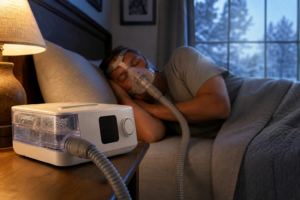
Device Humidifier Settings for Fall and Winter What Changes You Need to Make
Why Humidifier Settings Change When Temperature Drops Your sleep apnea device has been working great all summer and fall. You’re hitting your therapy goals, your partner stopped mentioning snoring, and you’ve finally hit that sweet spot with your settings. Then November hits. Suddenly your throat feels drier. You’re waking up…
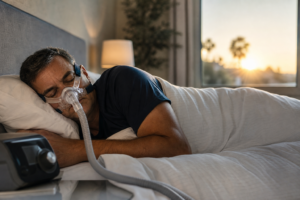
Daylight Saving Time Sleep Apnea Adjustment A Clinical Guide for 2026
Understanding the Impact of Daylight Saving Time on Sleep Apnea Patients When that first Sunday in March rolls around each year, most people think about losing an hour of sleep. For sleep apnea patients, though, daylight saving time represents something far more clinically significant: a sudden disruption to the precise…

Why Snoring Increases During Autumn Weather Changes and What Patients Should Know
Understanding the Connection Between Seasonal Changes and Sleep-Disordered Breathing You’ve made it through a solid sleep routine all summer, but something shifts when September rolls around. Your spouse mentions the snoring’s gotten worse. You wake up more tired than usual, even though you’re hitting your normal sleep hours. And if…