
Identifying When Sleep Troubles Transition from Summer Fatigue to Clinical Apnea
Understanding the Nuances: Summer Slump vs. Something More Serious
Common Warm-Weather Sleep Disruptors
As the San Diego summer season heats up, many of us find our usual sleep schedules taking a hit. It’s a familiar pattern: longer daylight hours, warmer temperatures, and an increased desire to stay active later into the evening. These factors, while seemingly harmless, can significantly contribute to genuine sleep problems that extend beyond simple fatigue. Think about it – those late-night beach walks in La Jolla, the longer barbecues with family and friends, or even just leaving windows open to catch the ocean breeze, which can introduce more noise and light. These subtle changes disrupt our body’s natural circadian rhythm, making it harder to fall asleep and stay asleep. We might shrug it off as “just summer,” but these consistent disruptions can have a cumulative effect, leaving us feeling far more drained than we should be.
Beyond the social and environmental factors, warmer temperatures directly impact our ability to achieve deep, restorative sleep. Our bodies naturally cool down to initiate sleep, and when the air itself is warm, this process becomes more challenging. Even with air conditioning, the shift in routine often means we’re going to bed later and waking up at different times, which affects sleep quality. This can lead to increased snoring for some, particularly if they’re sleeping in different positions to try and cool down, which can compromise the airway. It’s a tricky balancing act, and what starts as a temporary inconvenience can sometimes mask a deeper issue.
How Seasonal Changes Impact Sleep Cycles
Our bodies thrive on predictability, especially when it comes to sleep. The transition from spring to summer introduces a cascade of seasonal changes that directly interfere with our sleep-wake cycle, often called the circadian rhythm. The primary culprit is increased light exposure, particularly in the evening.
Melatonin, the hormone responsible for signaling sleep, is suppressed by light. So, when the sun sets later, our bodies naturally delay melatonin production, shifting our entire schedule later. This creates a sleep debt that builds up over several weeks, leading to persistent daytime sleepiness and difficulty concentrating.
It’s not just about getting fewer hours of sleep; it’s about the timing and quality of those hours being fundamentally altered.
Consider the impact on overall sleep architecture. When our schedules become irregular, our bodies struggle to maintain consistent sleep stages. We might spend less time in crucial deep sleep and REM sleep, which are vital for physical restoration and cognitive function. This isn’t just about feeling tired; it affects memory, mood, and overall productivity. For patients with pre-existing sleep apnea san, these seasonal shifts can exacerbate symptoms, making their condition harder to manage. The body’s ability to cope with airway collapse during sleep is already compromised, and adding irregular sleep patterns to the mix can significantly increase the frequency and severity of apneic events.
Initial Signs of Lingering Fatigue
So, how do you know if your summer sleep woes are just a temporary “slump” or something more persistent? The initial signs of lingering fatigue often manifest as more than just a desire for an afternoon nap. We’re talking about a pervasive sense of tiredness that doesn’t resolve with a night of “catch-up” sleep.
You might find yourself relying heavily on caffeine to get through the day, experiencing a noticeable dip in energy around mid-afternoon, or having difficulty staying focused on tasks. Irritability, mood swings, and a decreased tolerance for minor annoyances are also common indicators. Your cognitive function might feel foggy, making even simple decisions seem harder than usual.
Physically, you might notice unexplained aches and pains, a weakened immune system leading to more frequent colds, or even changes in appetite. Many patients report an increased reliance on sugar or unhealthy foods for quick energy boosts, creating a vicious cycle of energy crashes and cravings. This isn’t the kind of tiredness that goes away with a long weekend; it’s a deep-seated exhaustion that impacts every facet of your life.
Family members and colleagues might even start noticing changes in your demeanor, commenting on your apparent fatigue even if you try to brush it off. This persistent state of low energy is a strong signal that your body isn’t getting the restorative sleep it needs.
When to Question Beyond Simple Tiredness
The line between normal summer fatigue and a more serious underlying sleep problem can be blurry, but there are distinct signs that indicate something more significant is at play. If your symptoms of tiredness persist for more than a few weeks, despite efforts to improve your sleep hygiene, it’s time to ask deeper questions. Are you experiencing loud, consistent snoring treatment? Has a partner or family member observed you gasping, choking, or ceasing to breathe during sleep? These are critical red flags that point towards potential Sleep Apnea, a condition far more serious than simple exhaustion, something we regularly assess at our sleep assessment in San Diego.
Beyond audible symptoms, consider your daytime functionality. Are you struggling to stay awake while driving or during sedentary activities? Do you wake up feeling unrefreshed, even after what you perceive as a full night’s sleep? Unexplained morning headaches, dry mouth, or a sore throat can also be subtle indicators of an obstructed airway during sleep. If these symptoms are impacting your quality of life, your relationships, or your professional performance, it’s definitely time to seek professional evaluation. Ignoring these persistent warning signs in areas like sleep apnea solana can lead to more severe health complications down the road, and getting a proper diagnosis is the first crucial step towards effective treatment.
Recognizing the Red Flags: Symptoms That Signal Trouble
Beyond Snoring: Other Auditory Cues During Sleep
We often associate snoring with Sleep Apnea, and while it’s a prominent symptom, it’s certainly not the only auditory red flag. For many patients in San Diego, the soundscape of disturbed sleep offers a lot more information. Loud, habitual snoring is a baseline, yes, but what else should you be listening for?
Choking or gasping sounds are especially concerning. These aren’t just loud snores; they indicate that the airway is actually collapsing, and the individual is struggling to breathe. It’s a terrifying sound for anyone witnessing it, and it’s a critical sign that goes far beyond simple snoring.
Think of it as the engine sputtering violently before it completely cuts out.
Another crucial auditory cue is silence. This might sound counterintuitive, but periods of silence following a loud snore, often lasting 10 seconds or more, indicate an apnea event where breathing has completely stopped. This cessation of breathing is then typically followed by a sudden gasp or choke as the body forces itself to resume breathing, often with a snort or jolt.
These repeated interruptions prevent restorative sleep, placing immense stress on the cardiovascular system. It’s not just about the volume; it’s the entire pattern of breathing, or lack thereof, during sleep that signals trouble. Spouses or family members are often the first to notice these alarming patterns, long before the individual themselves.
They really are the unsung heroes in identifying these sleep problems.
Daytime Indicators That Point to Deeper Issues
The impact of disrupted nighttime sleep doesn’t stay confined to the bedroom; it spills over significantly into daytime functioning. If you’re waking up feeling like you haven’t slept at all, despite spending 7-9 hours in bed, that’s a major clue. Excessive daytime sleepiness isn’t just feeling a bit tired; it’s falling asleep at inappropriate times – while watching TV, during a conversation, or even at a stoplight.
This level of drowsiness can be incredibly dangerous, impacting work performance and increasing the risk of accidents. It’s a persistent fog that simply doesn’t lift, regardless of how much coffee you consume. For our patients in San Diego, where an active lifestyle is common, this can be particularly frustrating and debilitating.
Beyond pervasive fatigue, other symptoms include difficulty concentrating or focusing on tasks. This might manifest as brain fog, memory problems, or an inability to stay on task for extended periods. Imagine trying to navigate complex spreadsheets or even just read a book when your brain feels like it’s trudging through mud. Irritability, morning headaches (often described as a dull ache or pressure), and a general lack of energy are also common. These aren’t just minor inconveniences; they’re daily struggles that can severely diminish your quality of life. They often lead individuals to seek a diagnosis for other conditions before the underlying Sleep Apnea is identified, highlighting the complexity of these sleep problems.
Cognitive and Mood Changes to Monitor
The brain relies heavily on quality sleep to function optimally. When that sleep is constantly fragmented by apnea events, cognitive and emotional well-being inevitably suffer. Many individuals with undiagnosed Sleep Apnea report significant changes in their mood.
They might find themselves more irritable, anxious, or even depressed without any obvious external cause. It’s not simply being “grumpy” from lack of sleep; it’s a more pervasive shift in temperament and emotional regulation. This often creates stress in relationships and can be incredibly isolating, making people wonder what’s suddenly “wrong” with them.
Furthermore, cognitive functions can take a serious hit. Memory problems, particularly with retaining new information or recalling recent events, are frequently reported. Decision-making can become impaired, and individuals might struggle with problem-solving. This isn’t just feeling a bit forgetful; it can impact professional performance and personal responsibilities. Think about trying to make an important decision when your mind feels sluggish and you can’t quite grasp all the details. This cognitive decline often leads to frustration and a sense of losing control, further exacerbating mood disturbances. If these kinds of changes feel persistent and aren’t explained by other factors, it’s a strong indicator to investigate underlying sleep disorders, especially for those who’ve always considered themselves sharp and well-adjusted. Your brain needs consistent, restful sleep to perform.
Physical Manifestations and Health Implications
While many symptoms of Sleep Apnea are related to sleep quality and daytime function, there are also significant physical manifestations and long-term health implications that can serve as crucial warning signs. One often-overlooked sign is frequent nighttime urination. The pressure changes in the chest due to airway obstruction can mimic heart failure, leading the body to incorrectly signal the kidneys to produce more urine, disrupting sleep even further.
Other physical cues include dry mouth or sore throat upon waking, frequently attributed to mouth breathing as the body struggles to get enough air. These might seem minor, but when persistent, they point to much deeper issues.
Over time, untreated Sleep Apnea can contribute to a host of serious health problems. High blood pressure is incredibly common among Sleep Apnea patients, as the repeated drops in oxygen levels and surges of adrenaline during apnea events chronically elevate blood pressure. This increased cardiovascular stress also raises the risk of heart attack, stroke, and irregular heartbeats. It can also exacerbate or contribute to conditions like type 2 diabetes and affect overall metabolic health. Weight gain, particularly around the neck, can also be both a symptom and a risk factor for Sleep Apnea, creating a challenging cycle. So, it’s not just about feeling tired; it’s about protecting your long-term health. Recognizing these profound connections between your sleep problems and physical health is a critical step toward understanding the urgency of seeking proper snoring treatment, especially in a health-conscious area like San Diego.
The Dangers of Undiagnosed Sleep Apnea
Compromised Cardiovascular Health
One of the most alarming consequences of undiagnosed Sleep Apnea is its profound impact on cardiovascular health. When you experience repeated pauses in breathing throughout the night, your body is essentially undergoing periods of stress. This creates significant pressure on your heart and vascular system.
Think about it: each time your airway collapses, your oxygen levels drop, triggering a fight-or-flight response. Your heart rate increases, blood vessels constrict, and blood pressure rises. Over an entire night, and then over weeks, months, or even years, these repeated surges can really take a toll.
Long-term, this constant strain significantly elevates your risk for a variety of serious conditions. We’re talking about high blood pressure (hypertension), which is a major risk factor for heart attacks and strokes. It can also contribute to abnormal heart rhythms, like atrial fibrillation, and even heart failure.
Patients often come to us after being diagnosed with these conditions, and only then do their doctors suggest investigating their Sleep Problems. It can become a bit of a vicious cycle, where the untreated Sleep Apnea exacerbates existing heart issues, and vice versa. Early diagnosis and Snoring Treatment, especially here in San Diego, can genuinely be life-saving by mitigating these risks before they become critical.
Increased Accident Risk and Impaired Performance
Beyond the internal physiological stress, undiagnosed Sleep Apnea has very tangible, immediate dangers that affect daily life. The consistent lack of restorative sleep leads to chronic daytime fatigue. This isn’t just feeling a little tired; it’s a profound, persistent exhaustion that can severely impair alertness, concentration, and reaction time.
Imagine driving on the I-5 or navigating the busy streets of downtown San Diego after numerous nights of interrupted sleep. The risk of drowsy driving accidents skyrockets. Studies have shown that driving while sleep-deprived can be as dangerous, if not more dangerous, than driving under the influence of alcohol.
And it’s not just while driving. This impaired performance extends to the workplace, or even just around the house. You might find yourself making more mistakes, struggling with complex tasks, or experiencing memory lapses.
This impacts productivity, job performance, and can even compromise safety in professions requiring high levels of precision or vigilance. We often see patients who initially dismiss their daytime sleepiness as just “being tired,” especially during busy season changes, but when it starts interfering with their ability to function safely and effectively, that’s when it crosses over from a minor inconvenience to a serious concern.
Exacerbated Chronic Conditions
Undiagnosed Sleep Apnea doesn’t just create new health problems; it also has a nasty habit of making existing chronic conditions significantly worse. If you’re already managing something like type 2 diabetes, for instance, the hormonal imbalances and increased stress from Sleep Apnea can make blood sugar control much more challenging. The body’s resistance to insulin increases, making it harder to maintain healthy glucose levels, even with medication and dietary management.
Similarly, for patients dealing with conditions like asthma or chronic obstructive pulmonary disease (COPD), the reduced oxygen levels and increased inflammation associated with Sleep Apnea can lead to more frequent and severe symptoms. It creates a compounding effect, where one problem makes the other harder to manage. This is especially true for those with conditions that affect the respiratory system.
It’s a bit like trying to fix a leak in a boat while simultaneously drilling new holes; you’re constantly fighting an uphill battle. This is why a holistic approach, where all contributing factors are considered and treated, is so crucial for overall health.
Impact on Quality of Life and Relationships
While the physical health risks are paramount, the insidious erosion of one’s quality of life and strain on personal relationships due to undiagnosed Sleep Apnea shouldn’t be underestimated. Chronic fatigue can lead to irritability, mood swings, and a general lack of motivation. This can make everyday activities feel like monumental tasks, reducing enjoyment in hobbies, social events, and even time with family. It’s tough to enjoy the vibrant San Diego lifestyle, whether that’s a beach day or a hike in Torrey Pines, when you’re constantly feeling drained and exhausted.
The frequent, loud snoring associated with Sleep Apnea can also become a major point of contention within households. Partners are often sleep-deprived themselves, leading to separate bedrooms and significant stress on the relationship. Family members and partners are often the first to notice the changes, reporting increased snoring and even gasping for air during sleep. This constant disruption and the resulting tension can lead to resentment and emotional distance, making genuine connection difficult. Effective snoring treatment isn’t just about breathing better; it’s about reclaiming restful nights, improving disposition, and strengthening those essential personal connections. As we’ve mentioned before, personalized care matters, especially when it comes to something that affects every facet of your daily life.
Taking Proactive Steps: When and How to Seek Professional Help
Evaluating Your Sleep Disruption Patterns
Okay, so you’ve been noticing some changes, maybe more than just the usual “summer slump.” We’ve talked about differentiating between simple summer sleep issues and more concerning symptoms. Now, it’s about evaluating those disruption patterns. Are we talking about a few restless nights because the neighbor’s dog won’t stop barking, or is this a consistent, debilitating issue? The key here is consistency and severity. Intermittent bad sleep, perhaps due to a heatwave or a stressful work period, is quite different from relentless daytime fatigue, loud snoring that wakes you (or your partner) up, or gasping for air in the middle of the night.
We often see patients in San Diego who initially attribute their Sleep Problems to the changing seasons or increased social activity. But if you’re consistently experiencing five or more nights a week of disturbed sleep, along with symptoms like excessive daytime sleepiness, irritability, difficulty concentrating, or morning headaches, those are serious red flags. Think about the duration, too.
Is this a new development over the past few weeks, or has it been insidiously building for months? Tracking your sleep patterns, even informally, can be incredibly helpful. Note down when you go to bed, when you wake up, how many times you wake up, and how you feel the next day.
This data, even if just a rough diary, provides valuable insights for your professional.
Preparing for a Consultation with a Sleep Specialist
So, you’ve decided it’s time to talk to a professional – excellent decision. What do you bring to that first consultation? Think of it like preparing for court, but for your sleep.
First, that sleep diary we just discussed? Bring it. Second, jot down a comprehensive list of your symptoms.
Be specific. Don’t just say “I’m tired,” say “I wake up feeling exhausted even after 8 hours of sleep, and I have to fight falling asleep at my desk by 2 PM.” Include any observations from a bed partner, especially regarding Snoring Treatment or pauses in breathing – their perspective is vital here.
Also, list your medical history, including any current medications. Sometimes, other health conditions or even certain prescriptions can contribute to Sleep Problems, or interact with potential Sleep Apnea treatments. Don’t forget to mention any family history of Sleep Apnea; there’s often a genetic predisposition.
Finally, prepare a list of questions you have. This isn’t a one-way street. You want to understand the process, potential diagnoses, and what the next steps might be.
A good specialist, particularly in the San Diego region, will appreciate your thoroughness as it helps them get a complete picture much faster, improving the efficiency and effectiveness of your consultation.
Understanding Sleep Studies and Diagnostic Processes
Once you’ve had that initial discussion, the next step is usually a sleep study. Now, for some patients, the thought of a sleep study can feel a bit daunting, like sleeping in a lab hooked up to wires. But honestly, it’s not as bad as it sounds, and often, we can even conduct these studies in the comfort of your own home here in San Diego, CA. The goal of a sleep study (polysomnography) is to monitor various physiological parameters while you sleep.
What exactly are we looking at? We’re monitoring brain waves, oxygen levels in your blood, heart rate, breathing patterns, and eye and leg movements. This comprehensive data allows us to identify if and what kind of Sleep Problems you have.
For example, in Sleep Apnea, we look for repeated episodes where your breathing stops or becomes very shallow. These events, called apneas or hypopneas, are crucial for diagnosis. The data helps us determine the severity of your apnea, whether it’s mild, moderate, or severe, which directly influences the appropriate Snoring Treatment.
It’s a non-invasive process, and the information gathered is invaluable for crafting a personalized treatment plan. Remember, this isn’t about “passing” or “failing” a test; it’s about gathering objective data to understand what’s happening internally.
Exploring Initial Treatment Options
Once a diagnosis of Sleep Apnea is confirmed, we can start discussing snoring treatment options. The good news is that there are several effective approaches, and it’s not a one-size-fits-all scenario. One of the most common and highly effective treatments for Sleep Apnea is Continuous Positive Airway Pressure (CPAP) therapy. This involves wearing a mask over your nose or mouth (or both) while you sleep, which delivers a constant stream of air to keep your airway open. Many patients find significant relief with CPAP, though it does require a period of adjustment to get comfortable with the equipment.
However, for those with mild to moderate Sleep Apnea, or for patients who struggle with CPAP, oral appliance therapy is an excellent alternative. These custom-fitted devices, much like a mouthguard, are designed to reposition your jaw and tongue to keep your airway open during sleep. We create these devices right here in San Diego, ensuring a comfortable and effective fit.
We also explore lifestyle changes, such as weight management, avoiding alcohol before bed, and adjusting sleep positions. Sometimes, a combination of these approaches provides the best outcomes. The initial treatment phase is about finding what works best for you, ensuring consistent use, and significantly improving your sleep quality and overall health.
It’s a collaborative journey, and we’re here to guide you every step of the way.
Beyond Diagnosis: Living with and Managing Sleep Apnea
Navigating Various Therapy Options and Devices
Once a diagnosis of sleep apnea san is confirmed, the journey shifts from identification to management. This isn’t a one-size-fits-all situation; there are several therapy options and devices available, and choosing the right one often requires careful consideration and professional guidance. For many patients, Continuous Positive Airway Pressure (CPAP) therapy remains the gold standard. This therapy involves wearing a mask over your nose or mouth during sleep, which delivers a constant stream of air to keep your airway open. While highly effective, some people find the mask uncomfortable or claustrophobic, especially when they first start using it. It might take a bit of getting used to, but the benefits of consistent sleep often outweigh the initial hurdles.
Then there are oral appliance therapies, which are often a fantastic alternative for those with mild to moderate sleep apnea or those who can’t tolerate CPAP. These custom-made devices, similar to a mouthguard, work by repositioning the jaw and tongue to prevent the airway from collapsing. San Diego is home to skilled professionals who specialize in fitting these devices.
The beauty of an oral appliance is its portability and discreet nature, making it a popular choice for many, including those who travel frequently. We’ve seen firsthand how custom devices can transform rest, and for many, it’s a much more comfortable and convenient solution. It’s also important to consider emerging therapies like positional therapy, which encourages sleeping on one’s side to reduce airway collapse, and even certain surgical options in specific, carefully evaluated cases.
The key is to work closely with a sleep specialist to determine the most effective and sustainable snoring treatment for your individual needs.
Lifestyle Adjustments for Better Sleep Hygiene
Beyond specific devices, foundational lifestyle adjustments play a crucial role in managing sleep apnea san and improving overall sleep quality. We often emphasize that personalized care matters, and that extends to integrating healthy sleep habits. Maintaining a consistent sleep schedule, even on weekends, is paramount. Going to bed and waking up at roughly the same time each day helps regulate your body’s natural sleep-wake cycle, known as your circadian rhythm. Think about it: if you’re constantly changing your schedule, how can your body possibly know when it’s supposed to be winding down or waking up?
Reducing alcohol and sedative consumption, especially in the hours leading up to bedtime, is another critical step. These substances might make you feel drowsy initially, but they can significantly disrupt sleep architecture, leading to more frequent airway collapses and fragmented sleep. And, for many, weight management is a major factor. Even a modest reduction in weight can sometimes alleviate the severity of sleep apnea solana by reducing the fatty tissue around the throat that contributes to airway obstruction. Regular physical activity throughout the day can also promote better sleep, but try to avoid intense workouts close to bedtime, as this can be stimulating rather than calming. Creating a comfortable, dark, quiet, and cool sleep environment is also surprisingly impactful. These seemingly small changes, when implemented consistently, can significantly enhance the effectiveness of any mechanical therapy.
Ongoing Monitoring and Follow-Up Care
A diagnosis of Sleep Apnea isn’t a “one-and-done” scenario; it’s an ongoing journey that requires regular monitoring and follow-up care. Your initial treatment plan is a starting point, and its effectiveness can change over time due to various factors like weight fluctuations, aging, or other health conditions. This is where consistent engagement with your sleep specialist becomes vital.
For CPAP users, this often involves reviewing compliance data from the device itself. Are you using it consistently? Are there mask leaks that need addressing?
Are the pressure settings still optimal for your current condition? These are all questions that need periodic review.
For those utilizing oral appliances, regular check-ups are essential to ensure the device is still fitting correctly and effectively maintaining airway patency. We often make minor adjustments to the device over time to maximize comfort and effectiveness which is why custom devices are so important. Your specialist will also want to re-evaluate your symptoms. Have you noticed a reduction in snoring? Are you experiencing less daytime fatigue? Are your bed partner’s reports of your breathing patterns improving? Sometimes, a repeat sleep study might even be necessary to objectively assess how well the current treatment is working and if any modifications are needed. This proactive approach ensures that your snoring treatment continues to be tailored to your evolving needs, allowing you to maintain optimal health and quality of life.
Support Resources for Patients and Families
Living with sleep apnea can be challenging, not just for the patient but also for family members. That’s why having a strong support system and access to resources is incredibly important. There are numerous patient support groups, both online and in person, where individuals can share experiences, tips, and coping strategies.
Hearing from others who understand what you’re going through can be incredibly validating and empowering. These groups often provide a sense of community and reduce feelings of isolation that can sometimes accompany chronic health conditions. In San Diego, there are local organizations and clinics that can connect you to these invaluable networks.
Additionally, reliable educational materials are crucial. Understanding the intricacies of your specific type of sleep apnea, the mechanics of your device, and the importance of compliance can significantly improve adherence to treatment. Many sleep clinics and professional organizations offer workshops, webinars, and informational brochures to help patients and their families better navigate the condition.
Family members often play a critical role in observing symptoms, encouraging compliance, and providing emotional support. Having access to information can help them understand the condition better and contribute more effectively to the patient’s well-being. Never underestimate the power of shared knowledge and mutual support in managing a condition like Sleep Apnea.
It’s not just about addressing the physical symptoms; it’s about fostering a holistic environment conducive to healing and sustained good health.
Distinguishing between seasonal fatigue and clinical sleep apnea can be complex, often requiring a detailed understanding of your body, symptoms, and professional medical evaluation. If you suspect you or a loved one might be experiencing more than just a passing summer slump, don’t postpone seeking help. Taking proactive steps, from recognizing the red flags to pursuing a diagnosis and adhering to an effective treatment plan, is crucial for improving your overall health and quality of life.
The path to better sleep is a partnership between you and your healthcare team, and we at good night sleep are here to provide the expertise and support you need every step of the way in San Diego, CA. Are you ready to reclaim your nights and wake up feeling truly refreshed?
Related Posts
Our Blogs
Our Latest Content
Explore our blog for expert insights, patient experiences, and the latest updates on complete sleep apnea treatment.
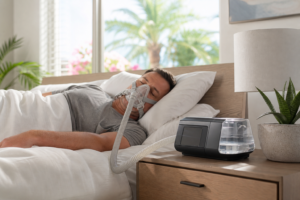
The Role of Humidification Settings in July for CPAP Therapy Effectiveness
Understanding CPAP Humidification in Warmer Months Ever wonder why your CPAP therapy feels different when the San Diego heat really kicks in? Or why that familiar dryness you once managed suddenly feels worse in July? You’re not alone. The shift in seasons, particularly the warmer, often more humid months like…
Optimizing Oral Appliance Therapy for Consistent Summer Sleep Schedules
Understanding the Impact of Summer on Sleep Patterns How Longer Daylight Hours Affect Circadian Rhythms Summer brings with it a delightful increase in daylight hours, especially here in sunny San Diego. And while an evening stroll along Coronado Beach or a late sunset view from Point Loma might sound idyllic,…
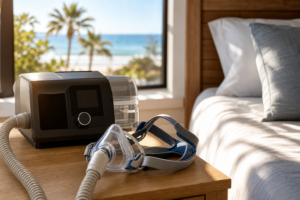
How Summer Heat Impacts the Material Integrity of Sleep Apnea Devices
Understanding the Vulnerability of Sleep Apnea Devices to Heat As the temperatures rise here in San Diego, CA, many of us are thinking about beach days, outdoor activities, and perhaps firing up the barbecue. But for individuals relying on devices to manage their sleep, the summer heat introduces a less…