
How Sleep Apnea Symptoms Worsen During Fall Routine Transitions in 2026
Understanding Why Fall Triggers Sleep Apnea Flare-Ups
Fall doesn’t just bring cooler weather and pumpkin spice. For people managing sleep apnea, it brings something far more challenging: a perfect storm of physiological and environmental changes that can reignite or intensify symptoms you thought were under control. If you’ve been doing well on your snoring treatment device all summer, mid-September often feels like taking two steps backward. This isn’t coincidence, and it’s not failure on your part. Your body is responding to real, measurable changes happening in the world around you.
The transition into fall sets off a cascade of events that directly affect how your airway behaves during sleep. Light exposure shifts. Temperature swings from day to night become more dramatic.
Pollen and mold counts spike. Your weight might creep up as routines change. Each of these factors independently can worsen sleep apnea.
Stack them together, and you’re looking at the kind of seasonal flare-up that catches even experienced device users off guard.
Understanding why this happens matters more than you might think. When you know the mechanism behind your worsening symptoms, you can anticipate changes rather than react to them. You can make proactive adjustments to your therapy settings, your sleep schedule, or your treatment approach instead of wondering why you’re suddenly snoring again or gasping through the night.
Knowledge here isn’t just reassuring. It’s actionable.
How seasonal light changes affect circadian rhythm disruption
Your circadian rhythm isn’t mystical. It’s a biological clock controlled largely by light exposure, and it responds directly to the shifting photoperiod in fall. As daylight hours shrink rapidly in September and October, your body’s timing mechanism gets thrown off. Your melatonin production shifts earlier, sleep pressure builds at different times, and your sleep architecture becomes less stable.
This matters for sleep apnea because circadian disruption actually increases airway collapse events. When your internal clock is misaligned with your sleep schedule, your body spends less time in the restorative stages of sleep where airway muscle tone is naturally stronger. You’re spending more time in lighter sleep phases where breathing becomes more vulnerable to interruption. Patients often report that their apnea severity numbers worsen on sleep studies conducted in fall compared to summer baseline measurements.
The problem compounds if your fall schedule changes. Back-to-school routines, fall semester starts at universities, shift changes for seasonal work, holiday planning stress. These real-world schedule shifts pile on top of the natural light changes. Your device might be set perfectly for July consistency, but when your sleep timing shifts by even an hour, those settings may no longer match your actual sleep physiology. This is why understanding why sleep study becomes especially relevant during seasonal transitions.
Temperature fluctuations and their impact on airway collapse
Fall weather is deceptively unstable. You might have a warm afternoon followed by a 20-degree drop at night. Your bedroom temperature fluctuates in ways it didn’t during stable summer weather or controlled winter heating. These temperature swings directly affect your airway’s mechanical behavior.
Cold air exposure causes airway tissues to contract slightly. Mucous membranes become drier. The pressure balance that keeps your airway open becomes more fragile. If you’re using CPAP therapy, temperature changes also affect how the equipment performs. Humidity levels in your equipment need adjustment when ambient conditions shift. Many patients don’t realize that settings optimized for August no longer work when your bedroom temperature drops 15 degrees at night. The device pressure that prevented collapse in warm conditions might insufficient when tissues are more irritable and contracted. This is why humidity settings impact becomes especially critical during seasonal transitions.
Allergen shifts in autumn and upper airway inflammation
Fall allergen season is real, and it directly worsens sleep apnea symptoms. Ragweed pollen peaks in late summer through fall. Mold spore counts spike as morning dew increases. For people with allergic sensitivities, this means chronic low-level inflammation of the nasal passages and throat tissues.
Inflammation narrows the airway space. Your airway was already compromised if you have sleep apnea, and adding allergic swelling makes collapse even easier. You might not have noticeable allergic symptoms like sneezing, but the tissue inflammation is there.
This creates a vicious cycle. Swollen tissues collapse more easily during sleep, causing more apnea events. Fragmented sleep makes your immune system less effective at controlling inflammation.
The swelling worsens. Your apnea events increase.
San Diego’s fall season brings specific allergen patterns different from inland areas. Coastal communities like sleep apnea solana typically experience higher mold exposure from marine fog. Inland regions around Lakeside and Kearny Mesa see heavier ragweed pollen. Whatever your location, the fall allergen shift is coming.
Weight gain patterns during fall transitions and apnea severity
Fall brings behavioral changes that often lead to weight gain. Outdoor activities decrease. Evening routines shift as daylight shrinks. Comfort food becomes appealing as temperatures drop. Holiday celebrations begin. Research consistently shows that people gain 5-10 pounds between September and January, with the steepest gain happening in fall specifically.
Weight gain directly increases sleep apnea severity. Extra tissue in the neck and throat narrows your airway space. Your body’s angle during sleep changes slightly.
Abdominal weight changes your sleeping posture and breathing mechanics. Even modest weight gain can noticeably worsen apnea events. A patient stable on their therapy through summer might find their device pressure becomes insufficient by November simply because of seasonal weight changes.
Understanding this connection helps you take preventive action. Staying aware of weight changes during fall transitions means you can catch symptom worsening early rather than attributing it to device failure or treatment ineffectiveness.
Recognizing Worsening Symptoms During the Seasonal Shift
Increased snoring intensity as fall routines begin
One of the first and most noticeable signs that sleep apnea is worsening during fall transitions is a sharp increase in snoring intensity. When routines shift, sleep becomes irregular. Your body loses the consistency it’s built up over summer months, and that inconsistency triggers airway collapse more frequently during the night.
Family members often report that snoring becomes louder, more frequent, and harder to ignore once September rolls around. This isn’t random. The pressure changes in your airway correlate directly with schedule disruption. When you’re going to bed at inconsistent times, your body’s natural sleep architecture destabilizes, making your airway muscles more prone to relaxation and obstruction.
If you’re using a CPAP device or oral appliance, the effectiveness of your therapy depends on consistent pressure application and consistent sleep timing. Changes in both create a perfect storm. You might notice that snoring returns even though your equipment settings haven’t changed. This is a red flag that your treatment effectiveness is being compromised by the transition itself, not by device failure.
Daytime fatigue patterns that intensify with schedule changes
Daytime fatigue during fall routine transitions feels different from regular tiredness. It’s heavier, more persistent, and resistant to coffee. This specific type of exhaustion occurs because your brain isn’t completing full sleep cycles on a predictable schedule, meaning fragmented REM and deep sleep become the norm rather than the exception.
The severity of daytime fatigue directly correlates with how dramatically your schedule shifts. If you were sleeping until 8 AM over the summer and suddenly need to be awake at 6 AM for work or school, your body experiences a physiological shock. Your sleep apnea, which may have been relatively stable during those relaxed summer months, now intensifies because you’re forcing your body into a new rhythm before it’s ready.
Patients often describe this fatigue as “hitting a wall” mid-afternoon. Rather than a gradual energy decline, it’s sudden and overwhelming. This happens because sleep-deprived brains produce less dopamine and struggle with glucose regulation. When combined with repeated apnea events throughout the night, your oxygen saturation drops repeatedly, and your body never enters the restorative sleep stages needed for daytime alertness.
Morning headaches and gasping episodes in early autumn
Morning headaches become increasingly common as fall schedules settle in, particularly in the first two to three weeks of September. These aren’t typical tension headaches. They’re caused by oxygen desaturation during sleep apnea events, combined with carbon dioxide buildup in your system overnight. When schedule changes disrupt your therapy compliance, these symptoms intensify rapidly.
Gasping episodes, where you wake suddenly feeling like you can’t breathe, become more frequent and more alarming. You might wake three, four, or five times per night gasping for air. This happens because your brain registers the oxygen drop and forces a micro-arousal to restore breathing. Each episode pulls you out of deep sleep, fragmenting your rest architecture even further.
The combination of morning headaches and nighttime gasping episodes creates a vicious cycle. Poor sleep quality causes more severe apnea events. More severe apnea events cause morning headaches and morning grogginess.
This makes it harder to maintain consistent bedtimes and wake times, which makes the apnea worse. Understanding this pattern helps you recognize why fall transitions create such a powerful trigger for symptom worsening.
Cognitive decline and focus issues linked to disrupted fall sleep
Fall schedule transitions often coincide with increased cognitive demands. Work intensifies, school schedules restart, and mental load increases. At the exact same moment your sleep quality is plummeting, your brain needs more focus and energy than it did over the summer. The result is noticeable cognitive decline that can feel almost dramatic.
You might experience difficulty concentrating, memory lapses, slower processing speed, or what feels like “brain fog.” This isn’t laziness or aging. This is your brain operating on fragmented sleep with repeated oxygen desaturation events. Studies consistently show that untreated or poorly controlled sleep apnea reduces cognitive performance by 10 to 30 percent. When routine changes destabilize your therapy compliance, that effect becomes immediately measurable in your daily functioning.
Checking whether signs your current becomes critical during this period. Your device settings may have worked perfectly for summer, but fall schedules and pressure changes might require calibration.
Mood changes and irritability during routine transitions
Irritability, anxiety, and mood instability spike during fall transitions, and most people blame the season or stress. But sleep apnea is a major culprit. Your brain chemistry shifts when sleep quality deteriorates. Serotonin production drops, cortisol (your stress hormone) remains elevated, and emotional regulation becomes harder.
Partners and family members often notice personality shifts first. You might become snappier, less patient, or emotionally reactive in ways that don’t match your typical temperament. This isn’t character change. This is your brain’s neurochemical response to oxygen desaturation, fragmented sleep, and circadian rhythm disruption.
The mood changes are particularly pronounced because fall routine transitions happen suddenly. Your body doesn’t gradually adjust. It goes from relaxed summer rhythms to structured fall schedules almost overnight. When combined with sleep apnea that’s already becoming more severe due to seasonal factors, the mood impact becomes significant and noticeable within the first week or two of September.
How Fall Routine Changes Disrupt Sleep Stability
Back-to-school schedules and earlier bedtimes affecting sleep positions
Fall brings a hard reset to sleep schedules. Kids return to school, work routines snap back into place, and suddenly that flexible 11 PM bedtime becomes a firm 9:30 PM. What sounds like a positive shift actually creates problems for sleep apnea patients.
Earlier bedtimes force your body into an unfamiliar rhythm. More importantly, they often change how you sleep. When you’re rushed to bed earlier than usual, you might find yourself settling into different sleep positions out of habit or urgency.
Side sleeping suddenly becomes back sleeping, or vice versa. For patients with sleep apnea, this matters enormously because sleep position directly affects airway collapse. Supine (back) sleeping allows gravity to pull tissues deeper into your airway, intensifying obstruction.
Even subtle position shifts can increase apnea events significantly, especially during those critical early hours when you’re adjusting to the new schedule.
The pressure to maintain these earlier bedtimes also creates stress. You’re trying to force your body into compliance with a schedule it hasn’t followed in weeks. That internal conflict fragments sleep quality before the first night even concludes. Patients often report that their snoring worsens during the first two weeks of fall, and position changes account for much of that increase. Consider reading about sleep position training to better understand how to anchor yourself to a consistent, therapy-friendly position through transitions.
Shift in physical activity levels and exercise timing
Summer in San Diego means outdoor activity feels natural and available. Fall changes that equation. School schedules, earlier sunsets, and cooler temperatures shift when exercise happens, and often whether it happens at all.
Regular physical activity reduces sleep apnea severity by improving muscle tone in the airway and supporting weight stability. When exercise timing shifts abruptly in fall, patients experience a noticeable uptick in symptoms. The body hasn’t adjusted to this new exercise rhythm yet.
If you’ve been morning-walking all summer but suddenly exercise after work instead, your body’s metabolic state entering sleep changes. Vigorous evening exercise can also create sleep fragmentation (making it harder to fall asleep or stay asleep), which further destabilizes your apnea patterns and device effectiveness.
Reduced activity overall is equally problematic. Many patients simply exercise less in fall without consciously deciding to. The result appears in your treatment device data within days: more events per hour, longer apnea durations, and decreased oxygen saturation levels.
Your equipment settings were optimized for your summer activity baseline. Change that baseline, and treatment effectiveness declines proportionally.
Dietary changes in autumn and their role in airway relaxation
Fall eating patterns shift dramatically. Heavier foods return to menus. Seasonal indulgences, holiday prep, and comfort eating increase caloric intake. These dietary changes affect sleep apnea through multiple mechanisms.
Large meals closer to bedtime relax your esophageal sphincter and increase stomach pressure, which can worsen reflux. Reflux irritates tissues already compromised by apnea events, creating additional swelling in your airway. Alcohol consumption also increases during fall (holiday gatherings start early in September). Alcohol is a muscle relaxant that deepens airway collapse during sleep. Even moderate drinking amplifies apnea severity significantly. Dietary sodium increases, which drives fluid retention. Excess fluid settling in your neck overnight literally narrows your airway. Patients often gain weight during fall without realizing it’s happening, and how weight changes becomes immediately visible in worsening symptoms.
Stress accumulation from seasonal transitions and sleep fragmentation
Seasonal transitions carry psychological weight. Kids adjusting to school, work intensity ramping after summer flexibility, financial stress from holiday planning, and the subtle dread of shorter daylight hours all accumulate simultaneously. This stress compounds existing sleep fragmentation in apnea patients.
Elevated cortisol and adrenaline from stress activate your sympathetic nervous system, making sleep shallower and more fragmented. You shift between sleep stages more frequently, which means you spend less time in deep, restorative stages. Fragmented sleep also reduces your body’s tolerance for airway obstruction.
You become more reactive to apnea events, experiencing more arousals per event. Some patients report increased snoring complaints from family members during fall, not because apnea became more severe, but because fragmented sleep creates different breathing patterns. Stress also directly impacts CPAP compliance.
When you’re already anxious about schedule changes, adding the pressure of device adjustment feels overwhelming.
Indoor heating systems and their effect on nasal passages
This often gets overlooked. Fall marks the beginning of heating season across Southern California. Your home’s heating system activates, and indoor humidity plummets. Dry air directly irritates nasal passages and the upper airway tissues that collapse during apnea events.
Dry, inflamed nasal passages create nasal congestion paradoxically (swelling in response to moisture loss). This forces mouth breathing during sleep. Mouth breathing removes the positive benefits of nasal breathing and increases airway instability.
Your CPAP or oral appliance settings were calibrated for your summer humidity baseline. When your home suddenly becomes drier, treatment effectiveness drops noticeably. You might experience increased mask leak (which reduces therapy effectiveness), more frequent arousals, and higher apnea indices.
Adding humidification during fall is not optional for most patients. Without humidity management, fall symptoms worsen regardless of other factors.
Clinical Strategies for Managing Apnea During Seasonal Transitions
Adjusting CPAP pressure settings for seasonal changes
Fall arrives and suddenly your CPAP therapy isn’t delivering the same results it did all summer. This isn’t coincidence. Seasonal shifts change your physiology, and your device settings often need to follow suit. As temperatures drop and humidity levels fluctuate across San Diego and surrounding areas, your airway responds differently to the same pressure your machine was delivering three months ago.
The key is recognizing that pressure settings should evolve with the season, not remain static year-round. Many patients assume their initial prescription is permanent, but sleep specialists know better. During fall, increased nasal congestion from allergens and cooler air can make lower pressures feel ineffective. Your apnea events might spike even though your device hasn’t changed. This is the moment to contact your provider for a settings review rather than suffer through worsening symptoms.
Work with your sleep professional to assess whether minor pressure adjustments (typically 0.5 to 1.5 cmH2O increases) might restore your therapy effectiveness. Some patients benefit from transitioning to adjustment strategies during before symptoms escalate into full apnea flare-ups. Ramp features and flex settings on modern machines can ease this transition without feeling jarring during your first weeks of adjusted therapy.
Sleep position modifications tailored to fall sleep patterns
Your body naturally shifts sleep positions as seasons change. Cooler fall nights often push people toward side-sleeping or back-sleeping positions they abandoned during hot summer months. This matters tremendously for sleep apnea sufferers.
Back-sleeping significantly worsens apnea severity because gravity collapses your airway more readily when you’re flat on your back. If you’ve drifted into supine sleeping as fall arrives, you’re essentially asking your apnea to worsen.
Deliberate sleep position management becomes a clinical strategy, not just a comfort preference. Consider positional therapy devices that gently encourage side-sleeping, or position-training methods that retrain your body’s sleeping habits. Position training strategies during periods when your natural positioning changes. Wedge pillows and body positioning devices are practical tools many patients overlook during seasonal transitions.
Track your position data if your CPAP reports this metric. Many modern machines log when you’re supine versus lateral, giving you concrete evidence of whether position shifts correlate with your worsening apnea events. This data becomes valuable when discussing fall treatment adjustments with your sleep specialist.
Nasal hygiene protocols during allergen-heavy autumn months
Fall allergens are relentless in Southern California. Ragweed pollen, mold spores from decaying leaves, and dust mite proliferation create an allergen perfect storm that clogs your nasal passages. For sleep apnea patients, nasal obstruction directly undermines therapy effectiveness.
CPAP therapy depends on clear nasal passages to deliver consistent pressure to your airway. When congestion blocks your nose, your device works harder and delivers less effectively.
Implement aggressive nasal hygiene protocols starting in late August. Daily saline rinses (using neti pots or squeeze bottles) remove allergens and reduce inflammation before congestion becomes severe. Many patients find that combining daily rinses with seasonal antihistamines or mild nasal corticosteroids keeps airways open throughout fall. This isn’t optional; it’s a core clinical strategy for maintaining treatment effectiveness during allergen-heavy months.
Check your CPAP humidifier settings too. Adequate humidification becomes even more critical when fighting seasonal congestion. Dry autumn air combined with nasal inflammation creates a double threat to therapy success. Warming and humidifying your air during fall often prevents the progressive congestion that sabotages your apnea management.
Medication reviews with sleep specialists before symptom escalation
Fall often brings medication changes that patients don’t realize impact sleep apnea severity. Seasonal allergy medications, cold treatments, or new prescriptions for other conditions can alter your sleep architecture and worsen apnea events. Some antihistamines relax throat muscles.
Others cause rebound congestion. Stimulating decongestants can disrupt sleep continuity. Your sleep medicine professional needs to review all medications before fall symptoms spiral.
Schedule a medication review appointment as fall approaches, not after symptoms worsen. Discuss which seasonal treatments are sleep-apnea-safe and which ones might undermine your therapy. Your provider might recommend specific alternatives that won’t exacerbate your condition. This proactive consultation often prevents the treatment failures that catch patients by surprise in October or November.
Environmental adjustments: humidity, temperature, and bedroom setup
Your bedroom environment controls treatment success more than most patients realize. Humidity settings directly and patient comfort during CPAP therapy. As fall temperatures drop and heating systems activate, indoor humidity plummets. Dry air irritates your upper airway, triggering congestion and inflammation that amplifies apnea severity.
Maintain 40-60% humidity in your bedroom through the fall season. Use a standalone humidifier if your CPAP’s built-in humidifier isn’t sufficient. Lower bedroom temperatures improve sleep quality for many apnea patients, but ensure proper humidity balances the cooling effect. Keep your bedroom between 60-67 degrees for optimal sleep architecture.
Position your bed away from windows and exterior walls where temperature fluctuations are greatest. Ensure your device tubing and mask remain accessible without tangles as you adjust positions through fall nights. Small environmental tweaks often yield significant improvements in how your body tolerates therapy during seasonal transitions.
Preventive Measures to Take Before Fall Arrives
Sleep apnea screening updates during late summer months
Late summer is the ideal window to reassess where you stand with your sleep apnea. If you haven’t had a recent sleep study or consultation, August and early September offer the perfect timing before fall’s schedule chaos kicks in. Your current pressure settings, device type, and symptom profile might have shifted since your last assessment, and catching changes now prevents reactive scrambling once routines tighten up.
Symptoms often intensify as seasons change, so a fresh screening helps establish a baseline before fall amplifies existing issues. Think of it as preventive maintenance rather than crisis management. If you’re experiencing increased snoring, daytime fatigue, or waking gasping for air, don’t assume it’s just summer stress. These could signal that your therapy needs adjustment, which is exactly what you want to discover before the school year or work transitions create additional pressure on your sleep schedule.
A professional can evaluate whether your current device remains the best fit for your needs or whether equipment upgrades might improve compliance heading into busier months. Evaluating new sleep during this window means you’re not scrambling to learn a new system when fall demands peak.
Equipment maintenance and mask fit assessment before fall
Your CPAP or oral appliance has been running through summer humidity and temperature fluctuations. Before autumn arrives, it’s time for a thorough equipment check. Mask fit degradation is one of the sneakiest treatment killers, and patients often don’t realize their mask seal has loosened until therapy effectiveness plummets.
Inspect your mask for wear, cushion deterioration, or headgear elastic that’s lost its tension. Check tubing for cracks or soft spots where condensation might collect. Clean your humidifier chamber and verify all connections remain tight. Sleep apnea device should become routine now, not something you remember when you’re already struggling.
Mask fit assessment is critical. Even a small shift in how your mask sits changes the pressure delivery angle, which affects airway support and symptom control. Fall’s climate shifts, cooler temperatures, and humidity changes create different conditions than summer, so your mask might need adjustment. A professional fitting ensures you’re starting fall with proper seal integrity and comfort, which directly impacts therapy compliance.
Establishing consistent sleep schedules ahead of routine changes
This is where prevention becomes behavioral. Fall transitions disrupt sleep schedules through back-to-school timing, earlier sunsets affecting circadian rhythm, and shifting work expectations. You can’t eliminate these changes, but you can ease into them gradually rather than shock your body overnight.
Start adjusting your sleep and wake times by 15-minute increments in late August. This gradual shift allows your body’s circadian rhythm to adapt without the sudden schedule jolt that destabilizes sleep apnea therapy. Your airway pressure tolerance, mask comfort, and device compliance all depend on consistent timing. Irregular sleep patterns amplify existing sleep apnea symptoms, creating a compounding effect where disrupted schedules worsen the condition itself.
Documentation matters too. Track your sleep schedule and symptom patterns now so you have a baseline to compare against as fall unfolds. This data becomes invaluable if you need to adjust treatment settings later. The patterns you establish in August often predict how well you’ll tolerate the fall transition.
Weight management strategies to offset autumn weight gain risks
Fall brings comfort food, holiday preparation stress, and cooler weather that reduces outdoor activity. Weight gain directly impacts sleep apnea severity. How weight changes is a documented relationship that gets overlooked until treatment suddenly becomes less effective.
Start nutrition and movement strategies now while summer patterns are still somewhat active. Even modest weight management prevents the autumn weight gain that patients typically experience (research shows an average of 3-5 pounds seasonal increase). This might sound minor, but for sleep apnea patients, small weight changes meaningfully affect airway collapse risk and pressure requirements.
Focus on sustainable habits rather than restrictive diets. Consistent movement, adequate protein, and stress management through sleep itself create a protective cycle. When your sleep improves through effective therapy, your appetite regulation improves, making weight management easier during stressful fall transitions.
Allergy management planning for fall season preparation
Fall allergies affect airway inflammation and sleep quality in ways many patients underestimate. Ragweed, mold spores, and dust from seasonal transitions inflame nasal passages, which impacts how effectively your device delivers pressure. Congestion creates additional airway resistance above what your therapy addresses.
Coordinate with your primary care provider now about allergy management strategy. Some patients benefit from starting preventive antihistamines or nasal steroids before peak allergy season arrives. Others need humidification adjustments to manage fall’s drier air. Humidity settings significantly as seasonal air changes occur.
The connection between allergies and treatment failure is direct: inflammation worsens apnea symptoms, symptoms drive worse compliance, worse compliance means worse sleep quality. Breaking this cycle through preventive allergy management protects your therapy effectiveness before fall allergies begin impacting your airway.
When to Seek Professional Support During Fall Transitions
Warning signs that indicate worsening apnea severity
Fall transitions can mask or amplify sleep apnea symptoms in ways that catch patients off guard. You might notice your snoring has become louder, even if your treatment settings haven’t changed. That’s a red flag. Another sign is increased daytime sleepiness despite what feels like a full night’s sleep, which suggests your device isn’t capturing the apnea events the way it did during summer months.
Pay attention to gasping or choking sensations during sleep, especially if these episodes feel more frequent than before. Family members often notice changes first, so listen when they report that your snoring sounds different or your breathing patterns seem irregular. Morning headaches, difficulty concentrating at work, and mood changes aren’t just fall blues either. They’re legitimate indicators that your airway obstruction might be worsening and your current treatment effectiveness is declining.
Timing for sleep study updates during seasonal shifts
Here’s something many patients don’t realize: your original sleep study results may no longer reflect your current disease severity. Fall schedules create the perfect opportunity to request an updated sleep study before conditions deteriorate further. Most sleep medicine professionals recommend considering a new study if more than two years have passed since your last one, but seasonal transitions make a compelling case for earlier evaluation.
The timing matters significantly. Scheduling your study in late August or early September, before fall routines fully kick in, gives you baseline data for the season ahead. If you wait until November when sleep debt has accumulated, you’re measuring a worst-case scenario rather than a manageable one. Your provider can use updated results to adjust pressure settings on your CPAP or recommend alternative devices if your current equipment isn’t meeting your needs anymore. Understanding why sleep study helps you approach this conversation confidently with your sleep medicine team.
Communication strategies with your sleep medicine provider
Don’t assume your provider knows about your schedule changes without telling them. Come prepared with specific information: when your sleep schedule shifts, how your symptoms have changed since summer, and what your family has observed. Bring actual data if your device tracks it. CPAP machines and oral appliances record usage patterns and event counts, so pull that information before your appointment.
Frame the conversation around transitions and specifics rather than vague complaints. Instead of “I’m sleeping poorly,” say “My sleep schedule shifted two hours earlier in September, and my snoring returned within the first week.” That clarity helps your professional understand the connection between environmental changes and your apnea symptoms. Ask directly whether your current treatment plan needs adjustment or if signs your current are present in your case. This collaborative approach builds trust and ensures you’re not white-knuckling through a season when simple modifications could restore effectiveness.
Treatment plan adjustments based on fall symptom patterns
Your treatment settings from June won’t necessarily work in October. Fall humidity levels drop dramatically across San Diego and the surrounding region, which affects how CPAP therapy delivers moisture to your airway. A pressure setting that worked beautifully during warm months might feel too aggressive or insufficient when seasonal changes arrive. Your professional might recommend humidity adjustments or even pressure tweaks based on your fall symptom patterns.
Oral appliance wearers face similar challenges. Your device effectiveness depends partly on consistent sleep positioning and schedule stability. When fall routines disrupt both, effectiveness declines. Your dentist or sleep specialist might adjust your device’s forward movement or recommend alternative sleep devices if your current appliance isn’t performing. Don’t hesitate to explore different therapy options if your present equipment struggles during transitions.
Emergency indicators requiring immediate medical attention
Certain symptoms demand urgent professional evaluation, not routine scheduling. Severe chest pain, persistent rapid heartbeat, or fainting episodes warrant an emergency room visit. Profound gasping for air that feels genuinely dangerous (rather than your typical apnea sensations) is another immediate concern. If you experience these during fall transitions, don’t wait for an appointment.
Fall brings real opportunities to stabilize your sleep apnea management if you act proactively. You’ve already navigated seasonal transitions successfully before, and the strategies that worked still apply, but with added vigilance. Contact your sleep medicine professional now rather than waiting until November when symptoms peak.
Whether you need pressure adjustments, device modifications, or completely different treatment approaches, addressing these changes early prevents months of compromised sleep and daytime dysfunction. Your provider wants you engaged in this process, so reach out today and take control of your fall sleep stability.
Related Posts
- When CPAP Therapy Fails Alternative Treatment Options for Sleep Apnea
- Insurance Coverage Guide for Sleep Apnea Treatment Devices in 2026
- Signs Your Current Sleep Apnea Treatment Needs Adjustment
- Travel Solutions for Sleep Apnea Patients Who Use Medical Devices
- How Weight Changes Affect Sleep Apnea Device Effectiveness
- Sleep Position Training Methods That Reduce Snoring Episodes
- Managing Sleep Apnea Treatment Side Effects During Initial Weeks
- Sleep Apnea Device Maintenance Tips That Extend Equipment Lifespan
Our Blogs
Our Latest Content
Explore our blog for expert insights, patient experiences, and the latest updates on complete sleep apnea treatment.
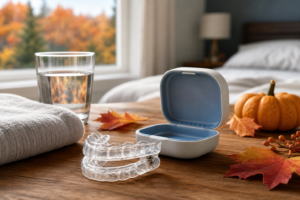
Oral Appliance Users Guide to Maintaining Therapy Success Through Autumn Schedule Shifts
Understanding How Seasonal Changes Impact Your Therapy Routine Autumn hits different for oral appliance users. While most people celebrate cooler mornings and earlier sunsets, you’re navigating a fundamentally different challenge: your body’s internal clock is shifting, your daily routine is changing, and the seasonal transition is testing whether your sleep…
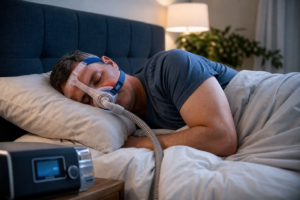
Recognizing Sleep Position Changes That Compromise Device Effectiveness
How Sleep Position Affects Device Performance The relationship between body alignment and airway obstruction Your sleep position isn’t just about comfort. It’s fundamentally tied to how your airway stays open throughout the night, and this matters enormously whether you’re using CPAP therapy, an oral appliance, or any other device-based treatment…
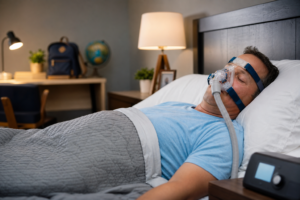
Why August Schedule Transitions Undermine Sleep Apnea Treatment Compliance
How Seasonal Schedule Changes Disrupt CPAP Routine The impact of back-to-school schedules on nightly device use August hits different when you’ve got kids heading back to school. Teachers know it. Parents know it. What many people don’t realize is that sleep apnea patients know it too, and not in a…