
Why Snoring Increases During Autumn Weather Changes and What Patients Should Know
Understanding the Connection Between Seasonal Changes and Sleep-Disordered Breathing
You’ve made it through a solid sleep routine all summer, but something shifts when September rolls around. Your spouse mentions the snoring’s gotten worse. You wake up more tired than usual, even though you’re hitting your normal sleep hours. And if you’re already managing sleep apnea with a device, you might notice your treatment effectiveness dipping for no obvious reason.
Autumn isn’t just about changing leaves and cooler mornings. The seasonal transition creates a perfect storm for respiratory complications, and snoring often becomes the first red flag that something’s changed in how your body handles sleep. Understanding why this happens puts you in a much stronger position to address it before your sleep quality bottoms out.
The connection between seasonal changes and sleep-disordered breathing runs deeper than people realize. It’s not just psychological or coincidental. Your respiratory system responds directly to environmental shifts, and fall delivers several of them simultaneously. Temperature swings, barometric pressure changes, and humidity fluctuations all conspire to make your airway work harder during sleep, triggering increased snoring and sleep apnea episodes you might not have experienced during more stable weather months.
How temperature fluctuations affect airway inflammation and congestion
Fall temperatures don’t just drop gradually. In San Diego and across Southern California, you get wild swings between warm afternoons and cool nights. Your body struggles to calibrate when the thermostat can swing 15 degrees from one day to the next.
When temperatures fluctuate, your nasal passages and upper airway tissues respond with inflammation and congestion. Cold air irritates mucous membranes, triggering swelling that narrows your breathing passage. Even mild inflammation reduces airway space, and if you’re already dealing with sleep apnea, that narrowing becomes critical. Your tissues swell, your breathing becomes more labored, and snoring intensifies.
What makes this worse is that many people don’t realize inflammation is happening. You might feel fine during the day but notice your breathing sounds different at night. The inflammation increases resistance in your airway, forcing your body to work harder to pull air through during sleep. This directly worsens snoring symptoms and can trigger apnea events that weren’t present during summer months.
If you’re already using a snoring treatment device, temperature-induced inflammation might mean your current settings need adjustment. Devices that worked perfectly in July sometimes need tweaking by October. That’s completely normal and worth addressing rather than just accepting worse sleep.
The role of barometric pressure changes in respiratory function
Barometric pressure shifts are invisible, but your body feels them acutely. Fall brings more dramatic pressure changes as weather systems move through. Low pressure systems, in particular, reduce the oxygen density in the air you’re breathing.
When barometric pressure drops, your body has to work harder to extract oxygen during every breath. This is especially problematic during sleep, when your breathing is already shallower and your respiratory drive is naturally reduced. Lower pressure means less oxygen availability per breath, forcing your respiratory muscles into overdrive. That increased effort triggers snoring as tissues vibrate under the strain of harder breathing.
For people with sleep apnea, barometric pressure changes can increase both the frequency and severity of apnea events. Your body struggles to maintain adequate oxygen saturation when the atmospheric pressure is working against you. Some patients notice their apnea episodes jump dramatically during fall’s pressure-heavy weather systems.
This is why sleep study results becomes relevant. If you had a sleep study in spring and now it’s autumn, your apnea severity might legitimately be higher due to seasonal pressure patterns, not because your condition worsened.
Why humidity levels in autumn trigger increased snoring symptoms
Fall humidity is deceptive. It feels dry compared to summer, but autumn air often creates the worst possible scenario: lower humidity combined with temperature drops that make mucous membranes drier faster.
Dry air irritates your nasal passages and throat tissues. When those tissues dry out, they become inflamed and swollen. Your airway narrows. Breathing becomes obstructed. And snoring follows almost immediately.
The impact on sleep apnea devices is real too. Dry fall air affects how your airway responds to positive airway pressure, and it can reduce treatment efficacy if your device isn’t properly calibrated for seasonal humidity changes. Using humidity settings becomes crucial during autumn months.
For patients in the San Diego region dealing with fall’s specific humidity patterns, addressing moisture in your sleep environment can make a measurable difference. Adding a humidifier, adjusting device settings, or using saline rinses all help counteract autumn’s drying effects.
The good news? Understanding these seasonal patterns means you’re not stuck accepting worse sleep quality every fall. Armed with this knowledge, you can take proactive steps before your snoring spirals or your apnea episodes multiply.
Word count: 748 words
Physical Changes in the Respiratory System During Fall Months
Seasonal allergies and their impact on nasal passages and throat tissue
Fall in San Diego brings a shift in allergen patterns that many people don’t anticipate. While spring tends to steal the spotlight for allergies, autumn introduces its own set of respiratory triggers. Ragweed pollen peaks in late August through October, and as temperatures cool, mold spores increase in damp areas around homes and gardens.
When allergens flood your nasal passages, the tissues swell and inflame. This inflammation narrows the airway, making it harder for air to flow smoothly during breathing. For people already dealing with sleep-disordered breathing, this seasonal inflammation can be the tipping point that transforms occasional snoring into a nightly problem. The tissues in your throat become irritated and hypersensitive, which directly contributes to increased airway vibration during sleep.
Here’s what happens physiologically: your immune system recognizes fall allergens as threats and releases histamines. These chemicals cause blood vessels in nasal and throat tissues to dilate and leak fluid. The result is congestion, postnasal drip, and tissue swelling that persists for weeks. Even if you’ve managed your sleep apnea well through the summer, this seasonal inflammation can overwhelm your current treatment protocol and require adjustments to your device settings or therapy approach.
Many patients report that their snoring noticeably worsens in September and October, even if they haven’t experienced issues in months. This isn’t coincidence. The combination of ragweed season and mold spore proliferation creates a perfect storm for airway obstruction. If you’re noticing your bed partner complaining more about snoring or you’re experiencing more apneic events during fall, seasonal allergies may be the culprit rather than a failure of your treatment itself.
Increased mucus production as temperatures drop
Temperature drops trigger a physiological response in your respiratory system that’s often overlooked. As outdoor air cools, your body compensates by increasing mucus production in the nasal passages and throat. This isn’t a sign of illness. Rather, your body is attempting to warm and humidify the air you’re breathing to protect sensitive airway tissues.
The problem emerges when this excess mucus combines with inflamed tissues from seasonal allergies. Thick, sticky mucus collects in your throat and nasal passages, physically blocking airflow. Unlike simple congestion, which you can feel, this deeper mucus layer works silently to restrict your breathing during sleep. You might not notice it consciously, but your sleep apnea device will register increased respiratory events as your airway partially or fully collapses around the accumulated mucus.
What makes this worse is that the mucus production intensifies as temperatures continue to drop through November and December. San Diego’s mild climate means we don’t experience extreme cold, but even our modest temperature shifts from 75 degrees in September to 55 degrees in December trigger this response. Patients report that their snoring episodes spike right after the first significant temperature drop each year, with the worst nights occurring in early November when many people are still adjusting their heating systems.
If you’re tracking your device data, you’ll likely see increased apnea-hypopnea index (AHI) scores during these months. This uptick correlates directly with fall’s mucus production increase, particularly in the early morning hours when mucus has accumulated overnight.
How dry indoor air from heating systems exacerbates airway collapse
The moment homeowners in the region flip on their heating systems for fall and winter, indoor humidity plummets. Most forced-air heating systems reduce indoor humidity levels from a comfortable 40-50% down to 20-30% or even lower. Your respiratory tract, which evolved to breathe warm, humid air, suddenly faces an extremely dry environment for 8+ hours each night.
Dry air dries out the mucous membranes lining your throat and nasal passages. This might sound counterintuitive (since we just discussed excess mucus), but what actually happens is more complex. Dry air irritates and inflames these tissues, causing them to produce even more mucus in response, but that mucus becomes thicker and stickier. The tissue itself becomes less resilient and more prone to collapse during sleep.
Additionally, dry air reduces the natural protective layer of fluid that keeps your airway tissues flexible and open. When this protective layer thins, the muscles and soft tissues in your throat lose their structural integrity. During sleep, when your muscles naturally relax, these weakened tissues collapse more easily into your airway, triggering apneic events.
For CPAP and oral appliance users, dry air creates another problem: device-related discomfort increases substantially. Without proper humidification, the mask interface becomes uncomfortable, leading patients to remove their devices during the night or abandon therapy altogether. This is why humidity settings significantly during fall months.
The solution involves adding humidity back into your sleeping environment and adjusting your device’s humidification settings as heating season begins. Many patients benefit from using a bedroom humidifier set to 40-50% humidity or upgrading their CPAP equipment with heated humidification chambers. These adjustments often restore snoring patterns to summer baseline levels within days.
Sleep Pattern Disruptions and Circadian Rhythm Shifts
Changes in melatonin production as daylight hours decrease
When autumn arrives in San Diego and across Southern California, the shift happens gradually at first. You lose roughly two to three minutes of daylight each day as we move toward the winter solstice. That might sound trivial, but your body’s internal clock is incredibly sensitive to these changes.
Melatonin is your brain’s natural sleep signal. It’s produced by the pineal gland when light levels drop, telling your body it’s time to wind down. But here’s where autumn creates problems for snoring and sleep apnea patients: as daylight hours shrink, your body produces melatonin earlier in the evening. This shift can feel sudden even though it happens gradually.
The timing matters because your airway muscles are also governed by circadian rhythms. When melatonin floods your system, it doesn’t just make you drowsy. It also relaxes muscles throughout your body, including the soft palate and throat tissues. For people with existing sleep apnea or snoring patterns, earlier melatonin production means you’re hitting the most vulnerable part of your sleep cycle before your internal clock has fully adjusted to the new season.
Research shows melatonin suppression changes in response to seasonal light exposure. In autumn, when you’re spending more time indoors and facing shorter days, your melatonin production can become irregular. Some nights it comes too early.
Other nights it lags. This inconsistency amplifies airway collapse because your throat muscles aren’t receiving consistent biological signals about when to maintain their protective tone.
How altered sleep schedules compound existing sleep apnea severity
Schedule changes during autumn aren’t always dramatic, but they’re constant. Kids return to school around late August and early September. Work routines shift. The weekend darkness feels different. These incremental changes add up, and for patients managing sleep apnea or snoring, they can destabilize treatment effectiveness.
Let’s say you’ve been stable on CPAP therapy through summer, sleeping consistently from 11 p.m. to 6 a.m. Then September hits.
Suddenly you’re adjusting to earlier mornings or later evening commitments. Your sleep window compresses. Even if you’re getting similar hours, the timing is different, and your body hasn’t adapted yet.
The airway muscles that were maintaining stability during consistent sleep cycles now face irregular demands.
Severity escalates because altered schedules often mean using your device inconsistently. You might skip a night or two when traveling to visit family. You might go to bed later on weekends. Those gaps in treatment allow airway collapse patterns to resurface faster than during summer when schedules felt more flexible. Additionally, prevention strategies during become critical to maintaining the stability you’ve worked to achieve.
Patients we work with across the San Diego area report that autumn schedule disruption often requires device adjustments they didn’t anticipate needing. Pressure settings that worked fine in July might need recalibration by October. This is particularly true if your schedule compression means you’re sleeping in a different position or at different times each night.
The relationship between circadian misalignment and airway muscle tone
Circadian misalignment is when your internal body clock conflicts with your external schedule. Autumn creates the perfect conditions for this conflict because your biological clock is shifting while your social schedule is also changing. These two forces rarely sync up perfectly, leaving a gap where your airway vulnerability increases.
Your airway muscles have their own circadian rhythm separate from your sleep-wake cycle. They’re designed to maintain tone and protect your airway during the biological night, even if you’re not technically sleeping. But when your internal clock is misaligned with when you’re actually lying down to sleep, these muscles don’t receive the right signals at the right times.
Think of it this way: your body expects to maintain alert muscle tone when it thinks it’s early evening, but you’re already in bed because your schedule shifted earlier. Or your body is ready to fully relax its throat muscles because it thinks it’s late night, but you haven’t fallen asleep yet. Either way, the protective mechanisms that keep your airway open aren’t activated when they need to be.
Studies on circadian rhythm disorders show that misalignment significantly increases apnea-hypopnea indices (the measure of breathing disruptions per hour). For patients already managing apnea with treatment, circadian misalignment can reduce device effectiveness by 15 to 30 percent. That’s substantial enough to notice in your sleep quality and daytime alertness.
If your current device settings aren’t keeping up with autumn’s circadian shifts, it might be time to explore whether your current sleep. Working with your provider to recalibrate pressure settings or exploring alternative devices ensures you stay protected even as seasonal transitions disrupt your internal timing.
Recognizing Worsening Symptoms and When to Seek Professional Evaluation
Key indicators that snoring has intensified beyond baseline patterns
Most people who snore have learned to live with it. But autumn changes things. If you’ve noticed your snoring is louder, more frequent, or happening even when you’re sleeping on your side (where gravity usually helps), that’s your first red flag that seasonal factors are at play.
Pay attention to what your bed partner is telling you. When they mention you’re keeping them awake more than usual, or that the sound has shifted in character, that’s measurable data. A change in snoring intensity often correlates directly with the physiological shifts happening in your respiratory system as temperatures drop and humidity levels plummet across San Diego and surrounding areas.
Document the pattern. Are you snoring every night now when it was maybe 4-5 nights a week in summer? Is it happening earlier in the evening, or only after you’ve been asleep for a couple hours? These specifics matter when you talk to a healthcare provider. Some people notice their snoring intensifies only during deeper sleep stages, while others find it’s now present throughout the night.
Another indicator: gasping or choking sounds during sleep. If you’re waking yourself up with sudden gasps, or if your partner reports hearing these episodes, that’s not just snoring anymore. That’s your airway collapsing momentarily and your body’s arousal response kicking in. This distinction matters significantly for determining whether you’re dealing with simple snoring or something more serious.
Red flags suggesting underlying sleep apnea may be progressing
Here’s what separates concerning symptoms from routine snoring: apnea episodes. These are 10-second stretches (or longer) where breathing actually stops. You might not feel them happening, but your oxygen levels drop, and your heart works harder to compensate.
Watch for these specific warning signs during autumn months. Excessive daytime sleepiness that feels disproportionate to your actual sleep hours is significant. If you’re getting 7-8 hours of sleep but still need a nap by mid-afternoon, something’s preventing restorative sleep. Autumn’s shortened daylight combined with poor sleep quality creates a perfect storm for this symptom.
Morning headaches are another key indicator, especially if they’re new or worsening. These happen because your body’s CO2 levels rise during breathing interruptions, triggering vascular changes. You might also notice cognitive fog (trouble concentrating at work or home) or mood changes like irritability that weren’t present in summer months.
Physical symptoms matter too. Swollen feet or hands upon waking, or persistent high blood pressure readings, can indicate your cardiovascular system is stressed from repeated oxygen drops throughout the night. Some patients in the Poway and Carmel Valley areas have reported noticing these patterns intensify specifically as autumn settles in.
Perhaps most telling: you can’t pinpoint why you feel exhausted. It’s not because of life stress or overwork. It’s a deep, persistent fatigue that sleep itself doesn’t seem to fix. That’s sleep apnea talking. And autumn weather often makes it worse by compromising the airway stability you maintained during warmer months.
Importance of diagnostic testing during seasonal symptom changes
Don’t wait. If you’re experiencing worsening snoring alongside any of these red flags, autumn is actually the ideal time for diagnostic testing. Here’s why: your symptoms are at their worst, which makes them easier to measure accurately in a sleep study.
A proper sleep study (whether in-lab or a home-based test) documents exactly what’s happening during your sleep cycles. It captures your apnea-hypopnea index (AHI), measures oxygen saturation drops, and tracks how many times your sleep is fragmented by arousals. These data points are crucial because they determine treatment urgency and options.
Testing during autumn gives you baseline data specific to your season-adjusted condition. This matters because treatment approaches differ based on severity. Mild seasonal snoring might respond differently than moderate sleep apnea that’s worsening. Understanding where you fall on that spectrum through testing helps providers recommend whether you need alternative treatment options or whether starting with a custom oral appliance makes sense for your situation.
Beyond severity, testing also identifies whether you’re experiencing obstructive sleep apnea (airway collapse) versus other sleep-breathing patterns. This distinction guides everything from device selection to ongoing support and long-term management strategy.
The testing process itself takes pressure off. Once you have objective results, you’re not relying on symptom speculation. You know exactly what your body’s doing, and you can make informed treatment decisions with your care team. Don’t let autumn snoring slide into winter without getting answers.
Practical Strategies for Managing Autumn-Related Snoring
Environmental modifications to reduce congestion and airway irritation
Autumn’s dry air is one of your biggest enemies when it comes to snoring. As humidity levels drop and heating systems kick in, your nasal passages and throat tissues lose moisture, creating the perfect conditions for airway inflammation and vibration during sleep. The good news? You can fight back with targeted environmental changes that cost very little and work quickly.
Start by adding moisture back into your bedroom. A quality humidifier running at 40-50% humidity can make a measurable difference in reducing congestion and snoring intensity. Place it near your bed, but not so close that moisture settles on your device equipment.
If you’re already using CPAP therapy, pay attention to your humidification settings, especially as the season shifts. Many patients who struggle with autumn snoring forget that their heated humidifier settings from summer no longer match their current air density. The drier the room, the higher your humidifier should be set.
Beyond humidifiers, consider simple fixes like keeping your bedroom door closed during the day to prevent warm, dry air from other parts of your home from infiltrating your sleep space. Running a cool mist humidifier or even placing a bowl of water near a heating vent can help. Saline nasal rinses and saline spray before bed open your nasal passages without medication, giving you immediate relief from congestion.
If you have pets or use heavy bedding, autumn is when dust mites and pet dander accumulate most noticeably indoors. Allergen buildup directly worsens airway irritation and snoring severity. Wash bedding weekly in hot water, use HEPA-filtered vacuum cleaners, and consider allergen-proof pillowcase covers. You’d be surprised how much these simple changes reduce snoring when combined with environmental moisture control.
Sleep positioning and lifestyle adjustments for seasonal relief
Your sleep position matters far more than most people realize, and autumn weather shifts make this especially relevant. When you lie flat on your back, gravity works against you, allowing soft tissues in your throat to collapse more easily as air passes through. Side sleeping reduces this collapse significantly, which is why many snorers notice improvement when they switch positions.
The challenge? Breaking the back-sleeping habit requires deliberate effort. Consider using positional devices or body pillows that keep you angled toward your side throughout the night. Some patients find that sleep position training take about two weeks to feel natural, but the reduction in snoring frequency during that adjustment period is often noticeable.
Beyond positioning, autumn lifestyle changes directly impact snoring severity. As temperatures cool and outdoor activity decreases, many people become more sedentary. This matters because even moderate physical activity (30 minutes of walking daily) improves muscle tone in your throat and reduces airway collapse during sleep. You don’t need intensive exercise, just consistent movement before the cold drives everyone indoors.
Alcohol consumption also tends to increase in autumn (let’s be honest about the seasonal social gatherings and cooler evening drinks). Alcohol is a direct snoring trigger because it relaxes your throat muscles and reduces your body’s ability to maintain airway patency. If you’re struggling with worsening autumn snoring, reducing evening alcohol intake is one of the fastest interventions you can implement.
When to adjust CPAP settings or treatment approaches for better compliance
If you’re already using CPAP therapy or another sleep device, autumn often requires setting adjustments. Many patients keep their summer settings unchanged as the season shifts, then wonder why they’re experiencing more snoring or apnea events. This is a mistake worth correcting immediately.
Start with humidification adjustment. Lower outdoor humidity and increased indoor heating mean your therapy device needs higher humidity output to prevent nasal drying and rainout. Check whether your pressure settings need fine-tuning too. Temperature swings between heated bedrooms and cold autumn mornings can affect how your device performs, and some patients benefit from slightly lower pressure settings as their body adapts to seasonal changes.
If you’re considering switching from CPAP to an alternative device or exploring whether your current treatment is working optimally, autumn is actually an ideal time. The seasonal clarity about what’s working helps your sleep specialist make informed recommendations. Devices like oral appliances or hybrid systems sometimes offer better tolerance and comfort.
Don’t wait until snoring becomes severe before making adjustments. Check your device data if available, track your symptoms weekly, and schedule a consultation with your specialist if compliance drops or snoring increases. Early intervention prevents the seasonal snoring cascade that often derails treatment success by winter.
Working With Sleep Specialists to Address Seasonal Sleep Apnea Patterns
Why fall is an optimal time to establish or revise treatment plans
Autumn creates a natural inflection point for sleep apnea management. As seasonal transitions accelerate symptom changes, the fall months offer an ideal window to reassess whether your current treatment is actually working or just keeping you on autopilot. If you’ve been managing snoring or sleep apnea all summer with marginal success, waiting until winter deepens respiratory stress doesn’t make sense.
Sleep specialists recognize this pattern year after year. Patients who schedule evaluations in September or October often discover that their treatment settings need meaningful adjustment before the environmental pressures of November and December compound existing issues. This proactive timing prevents the common scenario where someone waits until January to address problems that were evident since October.
Fall is also when many patients reassess their lifestyle. Back-to-school routines, changing work schedules, and the mental shift toward cooler months create psychological anchors for habit formation. Using these natural rhythm changes to anchor your commitment to treatment optimization increases compliance and actual effectiveness. Your sleep specialist can work with you to establish patterns that stick through the winter months ahead.
How specialists monitor and adjust therapy for seasonal variations
A competent sleep specialist doesn’t just prescribe a device and disappear. Real monitoring means tracking how your symptoms respond to seasonal shifts and adjusting your therapy settings accordingly. In autumn, this includes pressure setting tweaks, humidity adjustments for cooler air, and sometimes switching device types entirely if your current setup isn’t adapting well.
Most specialists use objective data from your device to make these calls. Modern sleep apnea equipment logs nightly metrics: apnea-hypopnea index scores, mask leak rates, therapy duration, and pressure delivery patterns. When fall humidity drops, your device reports these changes through data downloads. A specialist reviewing this information might increase humidification settings or recommend trying alternative sleep devices that handle seasonal dry air better than your current system.
Specialists also conduct follow-up sleep studies when changes are significant enough to warrant them. Understanding the specific ways autumn worsens your sleep-disordered breathing requires more than symptom reports. Your doctor might order a repeat study to measure whether your apnea severity has genuinely increased or whether poor compliance is the real culprit. This distinction determines whether you need equipment adjustments or behavioral interventions.
Communication matters enormously here. Specialists who schedule regular check-ins (monthly or quarterly) catch seasonal patterns faster than those who only follow up when patients initiate contact. If snoring resurfaces in your household during fall and your spouse notices it, bring this directly to your appointment. These observational details guide more precise therapy modifications than you might expect.
Long-term management strategies to prevent autumn symptom escalation
Preventing autumn symptom escalation requires year-round groundwork, not reactive scrambling when October arrives. This means establishing baseline measurements during stable summer months, then documenting changes as fall progresses. Track your own snoring frequency, daytime sleepiness, sleep quality, and device compliance in a simple log. When your specialist reviews this with seasonal context, they’re working with actual behavioral evidence rather than assumptions.
Device maintenance intensifies in fall. Filters accumulate dust faster as homes transition from air conditioning to heating systems. Tubing can develop condensation as temperature differentials increase. Mask fit might shift as you add layers or change sleep positions with cooler weather. Reading guidance on sleep apnea device before autumn arrives prevents many common performance drops.
Consider whether your current device type is seasonally appropriate. Some patients benefit from upgrading to smart sleep devices that automatically adjust humidity and pressure as environmental conditions change. Others find that switching from full-face to nasal masks improves autumn compliance because they’re less irritated by cool, dry air.
Ultimately, addressing autumn snoring and seasonal sleep apnea escalation requires partnership with a sleep specialist who takes seasonal variation seriously. Don’t treat fall as inevitable worsening. Instead, work with your provider before September ends to establish proactive treatment adjustments, document baseline function, and build compliance habits that carry you through winter with genuine restful sleep and reduced snoring disrupting your household.
Related Posts
- When CPAP Therapy Fails Alternative Treatment Options for Sleep Apnea
- Insurance Coverage Guide for Sleep Apnea Treatment Devices in 2026
- Signs Your Current Sleep Apnea Treatment Needs Adjustment
- Travel Solutions for Sleep Apnea Patients Who Use Medical Devices
- How Weight Changes Affect Sleep Apnea Device Effectiveness
- Sleep Position Training Methods That Reduce Snoring Episodes
- Managing Sleep Apnea Treatment Side Effects During Initial Weeks
- Sleep Apnea Device Maintenance Tips That Extend Equipment Lifespan
Our Blogs
Our Latest Content
Explore our blog for expert insights, patient experiences, and the latest updates on complete sleep apnea treatment.
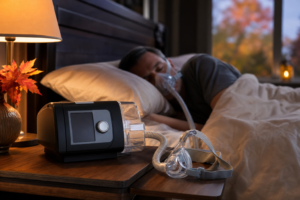
October Sleep Schedule Disruptions How Fall Holidays Affect CPAP Compliance
Understanding October’s Impact on Sleep Apnea Management October hits different for sleep apnea patients. While most people think of pumpkins and cooler weather, those managing their breathing at night face a specific challenge: the season actively works against treatment compliance. The shift from late summer into fall creates a perfect…
Medication Timing Adjustments When Your Sleep Schedule Changes
Understanding How Sleep Schedule Changes Affect Medication Effectiveness Why circadian rhythm disruptions impact sleep apnea treatment outcomes Your body doesn’t just run on a 24-hour clock. It’s more like an orchestra where every instrument needs to play in sync. When your sleep schedule shifts, that orchestration falls apart, and your…
Sleep Debt Accumulation from Irregular Schedules and Treatment Gaps
Understanding Sleep Debt and Its Health Impact How sleep debt accumulates over time and compounds health risks Think of sleep debt like a financial deficit that keeps growing interest. Every night you miss even an hour of quality sleep, your body enters a physiological hole. Miss five hours one week,…