Snoring vs Sleep Apnea Signs to Discuss With Your Doctor and Dentist
Loud nights get attention fast. A partner nudges you, a roommate hears it through the wall, or you wake with a dry throat and wonder what happened. Snoring and sleep apnea often come up in the same conversation, and many people use the two words as if they mean the same thing. They do not. Knowing the difference helps you decide what to track, what to tell your doctor, and when to ask for a sleep evaluation.
This guide explains snoring and sleep apnea in plain language. It covers what each one is, how they overlap, which signs are worth mentioning to a physician, and how a dental sleep practice fits into the picture. Good Night Sleep Devices is a sleep apnea and snoring practice in Solana Beach, led by Dr. David F. Urich, DDS, and the practice makes custom oral appliances. The facts about the practice come from its own site. The health facts come from public sources linked along the way.
Everything here is general information. It is not medical advice, and it cannot tell you whether you snore, have sleep apnea, or need any device. Only a physician diagnoses sleep apnea. Use this guide to prepare better questions, then take them to your own doctor or dentist.
What Snoring Is and Why It Happens
Snoring is the sound of air moving past relaxed tissue in your throat. As you fall asleep, the muscles around your airway loosen. The tissue can vibrate when air passes through, and that vibration makes the sound. Some people make a soft rumble. Others make a loud, rough noise that carries down the hall and through a closed door.
Mayo Clinic explains that snoring has many possible causes. These include the shape of your mouth and throat, nasal congestion, sleeping on your back, alcohol before bed, body weight and being short on sleep. Mayo Clinic also says that not every person who snores has obstructive sleep apnea. That point matters. Snoring on its own can be a nuisance for the people around you without pointing to a larger sleep problem. It can also be one of the signs that deserves a closer look.
Snoring can change from night to night
A person who snores lightly one week may snore loudly the next. A cold, allergies, a late meal, a glass of wine or a different pillow can all change how a night sounds. Seasonal shifts may play a part too, and our post on autumn snoring changes looks at why some people notice more noise when the weather turns. Keeping a short note about your nights is more useful than relying on memory.
Snoring is not always a sign of something serious
Plenty of people snore and still sleep well. If your snoring is occasional and mild, and nothing else seems off, a doctor may be comfortable simply watching it with you. The key is to pay attention to patterns. Loud snoring on most nights, snoring paired with daytime sleepiness, or snoring that worries your bed partner is worth raising with a physician.
It also helps to know that snoring in children has its own considerations. A pediatrician is the right person to ask about a child who snores, and this guide is written for adults.
How snoring affects the household
Snoring rarely stays one person’s problem. A partner who sleeps in another room, a parent who wakes the children, or a roommate who wears earplugs all feel the effects. These pressures are real, and they are a valid reason to seek help. At the same time, relationship strain is not a medical measure. If household sleep is suffering, say so, and also tell your doctor about any symptoms in your own body.
What Sleep Apnea Is
Sleep apnea is a condition in which breathing repeatedly stops and starts during sleep. The National Heart, Lung, and Blood Institute describes two main types. In obstructive sleep apnea, the upper airway becomes blocked. In central sleep apnea, the brain does not send the signals needed to breathe. You can read the NHLBI overview for the full definition from a national health agency.
Obstructive sleep apnea is the more common type, and it is the one most people have in mind when they connect snoring and sleep apnea. The airway narrows or closes for a short time, breathing pauses, and the body briefly wakes enough to restart it. The person often does not remember these moments. A bed partner may notice them first. If you want more background on this form, see our obstructive sleep apnea page.
Central sleep apnea is a different condition, and your physician is the person who tells the types apart. The type of sleep apnea matters, so the right starting point is a proper assessment rather than a guess based on sound alone.
Why breathing pauses deserve a conversation
The NHLBI notes that untreated sleep apnea is linked with serious health risks. That is why public health sources encourage people to speak with a provider rather than wait and see. This guide does not diagnose or predict anything for you. Its job is to help you recognize when a conversation with a physician makes sense.
Key Differences Between Snoring and Sleep Apnea
The simplest way to compare the two is to look at what happens to breathing. With simple snoring, air keeps moving and the sound comes from vibrating tissue. With sleep apnea, breathing pauses or becomes very shallow, and the person may wake briefly to restart it. MedlinePlus describes sleep apnea this way and notes that loud snoring is common with it, but that not everyone who snores has sleep apnea.
- Breathing. Simple snoring keeps air moving. Sleep apnea involves pauses or very shallow breaths during sleep.
- Sound. Snoring can be steady or uneven. In sleep apnea, a loud stretch may be followed by silence and then a snort or gasp.
- Awareness. Most people do not hear their own snoring. They also rarely notice breathing pauses, so a bed partner often provides the first clue.
- Daytime feel. Someone who snores may wake rested. Someone with disrupted sleep may feel drowsy, foggy or short on focus during the day.
- Who decides. A physician diagnoses sleep apnea. A dentist can fit an oral appliance, but does not diagnose a sleep condition.
These differences are general. Real nights are messier than a list. Someone with soft snoring may still have breathing pauses, and someone with loud snoring may have none. Only a physician, often with the help of a sleep study, can sort that out for you.
Why the overlap causes confusion
Because loud snoring is common in sleep apnea, people often assume the two always travel together. They do not. Some people snore and have no breathing pauses. Others have pauses with little noise. This overlap is why a sound alone is a poor guide, and why a short, honest account of your nights and days gives a doctor more to work with.
How a physician usually begins
A physician will usually start with questions. How often do you snore? Does anyone see pauses? How do you feel during the day? What medications do you take, and what other health conditions do you have? Based on your answers, your doctor may suggest a sleep study or another test. The details depend on your case, and your physician is the right person to explain them.
It helps to answer plainly. You do not need to downplay the noise to seem polite, and you do not need to exaggerate it to be taken seriously. Describe what is happening on most nights and let your doctor decide what comes next.
Signs Worth Mentioning to Your Doctor
The Mayo Clinic guide to obstructive sleep apnea lists symptoms that include loud snoring, pauses in breathing that someone else notices, waking up gasping or choking, excessive daytime sleepiness, morning headaches, a dry mouth or sore throat on waking, and trouble concentrating. The same page suggests seeing a doctor when snoring is loud enough to disturb sleep, or when breathing pauses or choking are noticed.
You do not need every one of these signs to start a conversation. One or two that keep showing up are reason enough to ask. Here are details many people find useful to write down before an appointment:
- How many nights each week you or your partner notice snoring.
- Whether anyone has seen pauses in your breathing, or heard gasping or choking.
- How you feel when you wake up, and how your energy holds up through the afternoon.
- Any sleepiness while driving, working or sitting in a quiet room.
- Morning headaches, a dry mouth or a sore throat.
- Recent changes to your schedule, weight, alcohol use or sleeping position.
A week or two of simple notes can give your doctor a clearer picture than a general statement like I snore a lot. It also gives you something concrete to point to if the visit feels rushed.
Some signs are easy to overlook because they creep up slowly. A person who has been tired for years may stop noticing it. Needing a nap every afternoon, relying on extra coffee, or losing focus in meetings can feel normal after a while. If those habits have crept into your week alongside loud snoring, mention them. Doctors rely on the full picture, and small details can matter.
Signs that should not wait
Mayo Clinic lists excessive daytime drowsiness, such as dozing off at work or while driving, among the reasons to see a doctor. If that sounds familiar, contact a physician promptly rather than waiting for a routine visit. Drowsy driving is a safety issue for you and for everyone on the road.
What a Bed Partner Can Notice
You are asleep during your own snoring, so you are the least reliable witness. A bed partner, a family member or a roommate may see things you never would. They may notice that the sound stops for a stretch and starts again with a snort. They may see you struggle, turn over often or sit up suddenly. They may also notice how loud the noise gets in different positions.
If you share a room, it is fair to ask your partner for observations. Ask them what they hear, how often, and whether anything has changed over the past few months. Their answers can be useful to your physician. Some people use a short voice memo on a phone to capture the sound for a visit, which is a personal choice and entirely optional.
Talking about it kindly
Snoring can be an awkward subject. Some people feel embarrassed, and some partners feel guilty for bringing it up. It helps to frame the conversation around sleep for both of you. You are both tired of broken nights, and you are both looking for answers. Treat the notes as shared information rather than criticism, and the conversation tends to go more smoothly.
Why Only a Physician Diagnoses Sleep Apnea
Sleep apnea is a medical diagnosis. It comes from a physician who reviews your symptoms, your history and, in many cases, the results of a sleep study. A dentist does not diagnose it, and neither does a web article. This is the part of the process that cannot be skipped, because the type and degree of sleep apnea shape the options your physician will discuss with you.
Sleep study results can also shift over time, and a single number rarely tells the whole story. Our post on why sleep study results change over time explains why you may want to review them again with your doctor. Ask what the numbers mean for you, how often they should be rechecked, and what could change them.
What happens after a diagnosis
If your physician does diagnose sleep apnea, the next step is a discussion of options. Those may include a CPAP machine, an oral appliance made by a dentist who works with sleep patients, changes to daily habits, or a combination. Your physician decides what fits your case. Good Night Sleep Devices works with the patient and the patient physician, so you are never asked to choose between your doctor and your dentist.
Everyday Factors That May Affect Snoring
Several everyday factors may change how much a person snores. Mayo Clinic names many of them, and they are worth reviewing with your own doctor instead of treating on your own. A few of the common ones are below.
- Sleeping position. Lying on your back can let tissue relax toward the airway. Some people ask their doctor about position changes, and a guide to sleep position training covers ideas that are worth discussing.
- Alcohol. Alcohol close to bedtime relaxes the muscles of the throat, which may make snoring louder for some people.
- Nasal congestion. A stuffy nose changes how air moves, and allergies or a cold can make a quiet sleeper noisy for a few nights.
- Short sleep. Being overtired is another factor Mayo Clinic mentions, so a very late night can make the next one louder.
- Body weight. Extra tissue around the neck can narrow the airway, which is one reason doctors often ask about weight changes.
None of these is a diagnosis. They are conversation starters. If one of them sounds like your life, mention it at your visit and ask what your doctor suggests for your situation.
Habits are a starting point, not a fix
It is tempting to try a pillow, a nasal strip or a bedtime change and hope the noise stops. Some of those steps may be reasonable, and your doctor can tell you which ones suit you. But a change in habit does not replace an evaluation when you have signs of broken breathing. If your symptoms continue, keep the appointment and bring your notes.
Where a Dental Sleep Practice Fits In
A dental sleep practice focuses on the part of sleep care that involves the mouth, the teeth and the jaw. At Good Night Sleep Devices, Dr. David F. Urich, DDS, makes custom oral appliances, which are mouthpieces made to fit your teeth and your bite. The practice also offers sleep devices for patients who want to browse options. It does not replace your physician, and it does not diagnose sleep apnea.
Patients come to the practice for different reasons. Some snore and want to talk about options. Some have been told by a physician that they have sleep apnea and want to hear about alternatives to a mask. Some already use CPAP and want to understand what else exists. Whatever brings you in, Dr. Urich begins with a conversation about your sleep history, your airway and your goals.
If snoring is your main concern, you can read about a custom snoring solution for patients who travel to the practice from the San Diego area. The page explains the service in more detail, including how the fitting works and when the office is open.
The practice aims to keep things calm and clear. Dr. Urich explains each step in everyday words, and the team welcomes questions about the device, the visit schedule and the fee. You can take your time deciding what is right for you.
Working with your physician
Dr. Urich works with your physician, and that cooperation matters. Your physician diagnoses and guides your overall care. Your dentist builds and fits the appliance. The practice says the assessment looks at your sleep history and airway together with your physician, so the two of them are on the same page about what you need.
What a Custom Oral Appliance Is
A custom oral appliance is a mouthpiece worn during sleep. At Good Night Sleep Devices it is made to your teeth and your bite, so it is not a one size item taken from a shelf. There is no mask, no hose and no cord. The practice says the fitting at the office typically takes under 45 minutes, and Dr. Urich shows you how to wear, clean and store the device.
Many oral appliances used for sleep are known as mandibular advancement devices. The name refers to a device worn over the teeth that is designed around the position of the lower jaw. If you want a closer look at that category, see our page on a mandibular advancement device for patients in the San Diego area.
Like anything you use every night, an oral appliance needs care. Cleaning, storage and regular checkups all matter. Our post with general device care tips offers ideas that apply to many sleep devices. Dr. Urich gives specific instructions for your own appliance, and those instructions come first.
Why fit matters
Fit is the main reason people ask about a custom appliance. A device that sits comfortably is easier to wear, and a device you wear is the only one that matters on a given night. Dr. Urich designs each appliance for the person who will wear it, so your teeth, your bite and your comfort all shape the result. Follow up visits give you a chance to say what feels tight, sore or loose, and to have the fit checked again.
Getting used to a new device
Any new item in your mouth takes some getting used to. People often notice a device most in the first nights, and then it becomes part of the routine. Follow up visits exist for exactly this reason. If something feels uncomfortable, tell Dr. Urich rather than putting up with it. If discomfort or new symptoms continue, contact your dentist or doctor. Do not adjust a custom device on your own.
Comparing Your Options With Your Doctor
There is no single path that suits everyone. Your physician may discuss CPAP, an oral appliance, changes to daily habits or another approach. Each choice has trade offs in comfort, upkeep, travel and cost, and each depends on your diagnosis. A short comparison can help you prepare questions.
- CPAP. A CPAP machine delivers air through a mask and hose during sleep. It is a common starting point, it needs regular cleaning, and it needs a power source when you travel.
- Custom oral appliance. A mouthpiece made to your teeth and bite, with no mask, hose or cord. It involves a dental fitting and follow up visits, and it also needs daily care.
- Habit changes. Sleep position, bedtime routines, alcohol timing and nasal comfort are common topics. They are best discussed with your doctor alongside any other plan.
Some people struggle with a machine, and others simply prefer a different route. Our guide to CPAP alternatives explains why people look elsewhere and what to discuss with a physician before changing anything. Never stop a prescribed therapy on your own. Talk to your doctor first.
Questions that help you compare
When you sit down with your physician or dentist, ask how each option fits your daily life. Ask how it handles travel, how often it needs cleaning, what follow up looks like and what it costs. Ask how you will know whether it is working for you. Those practical questions often matter as much as the technical ones.
Travel and daily life
Think about your real week when you compare options. A device that suits a quiet home routine may feel different on a work trip, a camping weekend or a visit to family. Ask how each option packs, whether it needs a power source, how long cleaning takes, and what happens if something breaks while you are away. These are practical questions, and they are part of choosing well.
What a First Visit Looks Like
Your first visit at Good Night Sleep Devices begins with a conversation. Dr. Urich asks about your sleep history, your symptoms and any feedback from a bed partner. He looks at your airway and works with your physician. He wants you to leave knowing what to expect and with your questions answered.
If the two of you decide an appliance makes sense, the fitting is next. The practice says the fitting typically takes under 45 minutes. Dr. Urich makes the appliance to your teeth and your bite, and he explains how to wear, clean and store it.
Follow up visits come after the fitting. They give Dr. Urich a chance to check how the device fits and how you feel wearing it. Questions are welcome at every step, and nobody expects you to arrive knowing the vocabulary.
Cost, Follow Up and Insurance
Cost is a fair question, and the practice is open about it. The fee for a custom oral appliance at Good Night Sleep Devices is a one time fee of $1,950, and it includes two follow up visits. You work with Dr. Urich for at least 30 days. If you are not satisfied within that time, the practice offers a full refund.
Insurance may cover some or all of the cost, though coverage varies by plan. Your insurer is the only source for what your own plan pays, so a call before your visit is worthwhile. Our insurance coverage guide lists questions to ask and terms to know, and it makes a helpful companion for that call.
Ask the office to walk you through the fee if that helps you plan. Knowing what is included, what is not, and what happens at each follow up removes surprises. The practice would rather answer a dozen questions now than have you guess later.
Questions to ask about the fee
Ask what the one time fee includes, how the two follow up visits are scheduled, and how the 30 day refund works if you decide the device is not right for you. Ask what your insurance may cover and what paperwork helps. Keep the answers with your notes so you can compare them later with anything your insurer tells you.
Preparing for Your Appointment
A little preparation makes any sleep appointment more useful. You do not need a binder. A few notes and a short list of questions go a long way. Consider bringing the following:
- Your sleep notes, including how often snoring happens and how you feel on waking.
- Anything your bed partner has noticed, such as pauses, gasping or restless nights.
- A list of your medications and health conditions, plus the name of your physician.
- Any earlier sleep study results or notes from a CPAP trial.
- Your insurance card and plan details, if you want to talk about coverage.
- Your questions, written down so you do not forget them in the room.
Bring your own words, too. How you describe your nights matters. Say what bothers you most, whether that is the noise, the tiredness or the worry about what snoring may mean.
Keep a simple two week log
If you have the time, keep a short log for two weeks before your visit. Each morning, write down how you slept, how you feel and whether anyone mentioned noise. Each evening, note caffeine, alcohol and late meals. A log is not a test, and it is not a diagnosis. It is a plain record that helps you and your clinician see patterns that are easy to forget.
Office hours
The office in Solana Beach is open Tuesday and Thursday from 8:00 AM to 5:00 PM and Wednesday from 8:00 AM to noon. Friday through Monday are available by calling ahead. Plan to arrive a few minutes early for your first visit so you can settle in and talk without feeling rushed.
Frequently Asked Questions
Does snoring always mean sleep apnea?
No. Mayo Clinic and MedlinePlus both note that not everyone who snores has sleep apnea. Still, snoring paired with breathing pauses, gasping or daytime sleepiness is worth raising with a physician, who can tell you what it means in your case.
Can a dentist diagnose sleep apnea?
No. A physician diagnoses sleep apnea. Dr. Urich fits custom oral appliances and works with your physician, but the diagnosis comes from your doctor.
Can I stop using CPAP and switch to an oral appliance?
That is a decision for you and your physician. Please do not stop a prescribed therapy on your own. If you want to explore other options, the practice can talk through what an oral appliance involves, and your physician can advise you on your overall plan.
Does an oral appliance have a mask or hose?
No. The custom oral appliance made at Good Night Sleep Devices has no mask, no hose and no cord. It is made to your teeth and your bite.
How long does the fitting take?
The practice says the fitting at the office typically takes under 45 minutes. Dr. Urich also explains how to wear, clean and store the device, and follow up visits come after the fitting.
What does it cost, and does insurance help?
The fee is a one time fee of $1,950, with two follow up visits included. You work with Dr. Urich for at least 30 days, and the practice offers a full refund if you are not satisfied within that time. Insurance may cover some or all of the cost, and coverage varies, so check with your insurer.
When should I see a doctor instead of waiting?
Mayo Clinic suggests seeing a doctor if snoring is loud enough to disturb sleep, if someone sees breathing pauses, if you wake up gasping or choking, or if you feel very drowsy during the day. If any of those match your experience, contact a physician rather than waiting.
Next Steps
You do not need to know whether you have simple snoring, sleep apnea or something else to begin. You need honest notes and a few good questions. Start by talking with your physician, especially if you have breathing pauses, gasping or heavy daytime sleepiness.
When you are ready to talk about oral appliances, schedule a consultation with Good Night Sleep Devices. Dr. David F. Urich, DDS, and the team will review your situation, answer your questions and explain what comes next. You can also read about sleep apnea support from the practice to see how care continues after the fitting. This article is general information and is not medical advice, so please talk with your own dentist or doctor about your sleep. Use the Schedule page or call the office to book a time in Solana Beach.
Our Blogs
Our Latest Content
Explore our blog for expert insights, patient experiences, and the latest updates on complete sleep apnea treatment.
Questions to Ask Before Choosing an Oral Appliance for Snoring or Sleep Apnea
Choosing a device for snoring or sleep apnea is a big decision. You will wear it every night, sometimes for years, so it helps to know what you are saying yes to. A good appointment is not only about what the dentist tells you. It is also about what you…
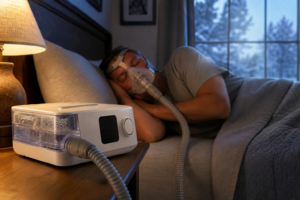
Device Humidifier Settings for Fall and Winter What Changes You Need to Make
Why Humidifier Settings Change When Temperature Drops Your sleep apnea device has been working great all summer and fall. You’re hitting your therapy goals, your partner stopped mentioning snoring, and you’ve finally hit that sweet spot with your settings. Then November hits. Suddenly your throat feels drier. You’re waking up…
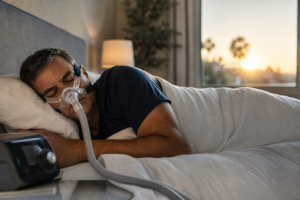
Daylight Saving Time Sleep Apnea Adjustment A Clinical Guide for 2026
Understanding the Impact of Daylight Saving Time on Sleep Apnea Patients When that first Sunday in March rolls around each year, most people think about losing an hour of sleep. For sleep apnea patients, though, daylight saving time represents something far more clinically significant: a sudden disruption to the precise…