
Custom Sleep Device Fitting Process for First Time Users
Understanding Your Sleep Challenges and Candidacy
Initial Consultation and Symptom Review
Embarking on the journey to better sleep often begins with recognizing that something isn’t quite right. Maybe your partner has been complaining about your loud snoring, or perhaps you’re finding yourself inexplicably tired even after a full night’s rest. This initial consultation is where we start to piece together the puzzle of your sleep health.
We’ll delve into a detailed discussion about your sleep problems, reviewing your medical history, current symptoms, and lifestyle factors. Are you experiencing frequent awakenings, morning headaches, or difficulty concentrating during the day?
During this stage, we’re looking for common indicators of Sleep Apnea, which can range from persistent snoring and gasping for air during sleep to daytime fatigue and irritability. It’s a comprehensive chat, not a quick check-in. Our goal is to understand the full picture, identifying specific sleep apnea side effects that are impacting your life and overall well-being.
We’ll also discuss any existing medical conditions and medications you might be taking, as these can sometimes influence your sleep patterns or the suitability of certain Snoring Treatment options. We want to ensure we gather all the pertinent information to guide you effectively.
Think of it as laying the groundwork. We want to understand what you’re experiencing, how long it’s been happening, and what impact it’s having on your daily life. This forms the basis for creating a personalized plan.
It’s also an opportunity for you to ask questions and voice concerns, ensuring you feel heard and understood from the very first step. If you’re tired of fragmented sleep in San Diego, this is your starting point toward restful nights.
Diagnostic Testing and Interpretation
Once we have a clear understanding of your reported symptoms, the next crucial step in diagnosing Sleep Apnea is often diagnostic testing. This isn’t just a best guess; it’s about objective data. Many patients are familiar with overnight sleep studies, either conducted in a lab or comfortably at home.
These studies monitor various physiological parameters, such as breathing patterns, oxygen levels, heart rate, and brain activity, while you sleep. The collected data provides invaluable insights into the severity and type of your sleep disturbances, confirming the presence of apnea episodes.
Interpreting these test results is a specialized skill. Our team works with qualified sleep physicians who analyze the data to determine an accurate diagnosis. They look for specific criteria, like the Apnea-Hypopnea Index (AHI), which measures the number of breathing interruptions per hour of sleep.
This detailed analysis helps us understand the nature of your sleep apnea: is it mild, moderate, or severe? Is it primarily obstructive sleep apnea, or are there other factors at play?
Understanding these results is foundational to developing an effective treatment plan. Without precise diagnostic information, any proposed intervention would simply be a shot in the dark. It’s also where we can rule out other potential causes for your sleep problems, ensuring that the treatment you receive is specifically tailored to your condition. For more details on this process, you can explore our sleep assessment service which outlines how we gather this critical information.
Determining if an Oral Appliance is Right for You
After a confirmed diagnosis of Sleep Apnea, the conversation naturally turns to treatment options. While CPAP therapy is a well-known and effective treatment, it’s not the only solution, nor is it always the preferred one for every patient. This is where the candidacy for an oral appliance comes into play. An oral appliance, specifically a custom sleep apnea device, works by repositioning your jaw and tongue to keep your airway open during sleep, preventing the collapse that leads to apnea events.
So, how do we determine if this approach is suitable for you? Oral appliance therapy is often an excellent choice for individuals with mild to moderate obstructive Sleep Apnea, or for those with severe apnea who cannot tolerate CPAP. We consider factors like your dental health, jaw structure, and the specific characteristics of your apnea. It’s not a one-size-fits-all decision; it’s a personalized evaluation. For example, if you reside in sleep apnea solana, we’d assess your specific needs and situation carefully.
During this discussion, we draw upon all the information gathered in your initial consultation and from your diagnostic tests. We weigh the potential benefits of an oral appliance against any contraindications, ensuring that we recommend the most appropriate and effective Snoring Treatment for your unique circumstances. Our services page provides more insights into the various pathways available. You can also review our process & pricing to understand the steps involved in securing your custom device.
Addressing Common Patient Concerns
It’s completely normal to have questions and concerns when considering a new medical treatment, especially one that involves wearing a device in your mouth every night. We understand that this is a significant change, and we’re here to address all your anxieties head-on. Common concerns include comfort, effectiveness, potential side effects, and the overall adjustment period. Patients often ask about the feel of the device, whether it will cause jaw pain, or if it will truly eliminate their snoring and apnea events.
We’ll talk through everything transparently. For instance, while some initial adjustment to a custom sleep apnea device is normal, significant discomfort is not the goal. We aim to create a device that is as comfortable and effective as possible.
We’ll also discuss potential minor side effects, such as temporary jaw soreness or increased saliva production, which typically resolve within a few days or weeks. And yes, for many, these devices are incredibly effective, as highlighted in “From Snoring to Sleeping: How Custom Devices Transform Rest.”
Another frequent query revolves around the commitment required. Rest assured, our support doesn’t end after you receive your device. We offer ongoing support, ensuring you have continued guidance through your adaptation process. We believe in setting realistic expectations so you feel empowered and informed every step of the way, rather than overwhelmed. Our mission in sleep apena san is to make your path to better sleep as smooth as possible.
The Comprehensive Device Design Process
Detailed Oral Examination and Health History
Once we’ve determined you’re a good candidate for a custom sleep apnea device, the next step in the process involves a thorough oral examination and a deep dive into your health history. This isn’t just a quick look-see; it’s a critical component of designing a device that perfectly suits your unique needs and ensures maximum effectiveness for your snoring treatment. We’ll assess the condition of your teeth, gums, and jaw, looking for any potential issues that could impact the fit, comfort, or success of the device. Things like significant dental work, gum disease, or even TMD (temporomandibular joint disorder) all play a role in how we approach the design.
But it’s not just about what’s happening inside your mouth. We also need a comprehensive understanding of your overall health and any pre-existing conditions. Are you on any medications that might affect jaw muscles or saliva production?
Have you had any head, neck, or facial injuries in the past? Do you experience chronic allergies that might lead to nasal congestion, which could impact the efficacy of an oral appliance? We even discuss your lifestyle habits, like smoking or alcohol consumption, as these can influence your sleep apnea and the success of the treatment.
This holistic approach helps us anticipate any challenges and design a custom sleep apnea device that works symbiotically with your body, rather than just forcing a solution.
Precision Impressions and Digital Scans
Accuracy is paramount when it comes to custom sleep apnea san devices. That’s why, following the detailed examination, we move on to capturing highly precise impressions and often digital scans of your mouth. Gone are the days of just biting into a goopy tray and hoping for the best (though traditional impressions are still a viable and accurate option in some cases).
Many providers, including us, utilize advanced digital intraoral scanners. These scanners create a detailed, three-dimensional digital model of your teeth, gums, and the overall structure of your mouth with remarkable accuracy. This level of precision is crucial for ensuring the custom sleep apnea device fits like a glove and provides the intended therapeutic pressure to keep your airway open during sleep.
Think of it like tailoring a custom suit; generic sizes just won’t cut it for optimal comfort and function. The digital data allows for incredibly fine-tuned adjustments during the design phase, preventing common issues like soreness, discomfort, or an ill-fitting device that could compromise your sleep quality. Plus, having a digital record means we can easily replicate or modify your device if needed in the future. This step truly embodies the “custom” in custom sleep apnea, laying the foundation for an effective and comfortable Snoring Treatment.
Selecting the Optimal Appliance Type
With all the detailed information gathered from your oral examination, health history, and those precise digital scans, we’re now in a prime position to select the optimal type of oral appliance for your specific sleep problems. It’s not a one-size-fits-all situation, and different types of devices work best for different individuals. There are primarily two categories: mandibular advancement devices (MADs) and tongue-retaining devices (TRDs).
MADs work by gently repositioning your lower jaw and tongue forward, which helps to open up the airway at the back of your throat. TRDs, on the other hand, specifically hold your tongue in a forward position, preventing it from collapsing into the airway.
The choice between these, and even within various designs of each type, comes down to several factors: the severity and nature of your sleep apnea side, the unique anatomy of your mouth and jaw (which we’ve thoroughly assessed), any existing dental conditions, and even your personal comfort preferences. For example, if you have a significant overbite or certain tooth configurations, one type of device might be considerably more effective and comfortable than another. Our goal is to choose the device that offers the best balance of efficacy and comfort, ensuring you’ll actually use it consistently, which is key to successful sleep apnea treatment.
Advanced Customization for Comfort and Effectiveness
This is where the magic of “custom” truly comes alive. Once the general appliance type is selected, we move into a phase of advanced customization to ensure both maximum comfort and optimal effectiveness. This isn’t just about getting a good fit; it’s about fine-tuning every aspect of the device to address your individual needs and anatomical nuances.
The digital models of your mouth become our blueprint, allowing us to specify minuscule adjustments that generic, off-the-shelf devices simply can’t achieve. We consider things like the exact degree of mandibular advancement (for MADs), the specific contouring around individual teeth to prevent pressure points, and even the materials used to ensure biocompatibility and durability.
For example, we might incorporate features that allow for incremental adjustments throughout your treatment, enabling us to gradually find the ideal jaw position that eliminates your snoring and apnea events without causing discomfort. We’ll also consider factors like whether you’re a mouth breather at night, designing the device to facilitate proper nasal breathing if possible, or ensuring it doesn’t exacerbate dryness. This careful attention to detail in the customization phase is what sets our approach apart, ensuring that your sleep.
This meticulous design process prevents many of the common issues patients experience with less personalized solutions, leading to higher compliance and, ultimately, better health outcomes. It’s a key part of why personalized care matters.
Your First Fitting: What to Expect
Initial Device Placement and Comfort Assessment
Okay, so you’ve made it to your sleep device fitting appointment, which is a significant step in managing your sleep apnea san. This isn’t just about handing over a device; it’s about ensuring it fits perfectly and comfortably from the get-go. Our first step is to gently place the custom sleep apnea device in your mouth.
We’re looking for an immediate assessment of how it feels. Does it feel snug, but not overly tight? Are there any immediate points of pressure or discomfort?
We’ll ask you to give us direct feedback, and honestly, don’t hold back. This is YOUR snoring treatment, and your comfort is paramount. We’re checking for things like proper seating against your teeth and gums, ensuring no sharp edges or rough spots are irritating your soft tissues.
Sometimes, even with the best impressions, a tiny adjustment is needed. Think of it like a perfectly tailored suit; it needs to drape just right. This initial assessment is crucial for long-term compliance and effectiveness in tackling your sleep problems, so we take our time to make sure those custom sleep apnea specifications are hitting the mark right away.
Adjusting for Optimal Mandibular Position
Once we’ve established a basic level of comfort, the real magic of a custom sleep apnea begins: adjusting the mandibular position. That’s a fancy way of saying we’re finding the ideal forward resting position for your lower jaw. This specific adjustment is what helps keep your airway open while you sleep, preventing the soft tissues at the back of your throat from collapsing, which is the root cause of over 90% of sleep apnea side. Each device comes with a mechanism, often subtle, that allows us to incrementally move your jaw forward.
We’ll perform this adjustment in small steps, guiding your jaw to a new position and then assessing. We’re looking for that sweet spot where your airway is maximally open, but you’re still completely comfortable. Too far forward, and it can feel strained; not far enough, and its efficacy for sleep apnea treatment is compromised.
We often use a measurement tool or a particular protocol to guide this, ensuring we’re consistent and precise. You might be asked to gently bite down or relax your jaw as we make these minute changes. This phase is less about what you see and more about what you feel and, crucially, what it will do for your sleep problems.
Understanding Device Mechanics and Care
A big part of your first fitting involves getting to grips with your new snoring treatment device itself. We’ll walk you through the mechanics – how it works to hold your jaw forward, and what each part does. Think of it as a brief, but incredibly important, owner’s manual. We’ll show you the adjustment keys or mechanisms, explaining that while we make the initial adjustments, sometimes minor tweaks might be needed later on, though always under our guidance.
Beyond how it functions, we’ll dive deep into proper care and maintenance. These devices are durable, but they’re also medical equipment that needs consistent cleaning and careful handling. We’ll demonstrate how to clean it, recommending specific brushes or cleaning solutions, and emphasize the importance of doing this daily.
Understanding the right way to store your device when not in use – typically in a protective case – is also crucial. Proper care prolongs the life of your device and, just as importantly, prevents bacteria buildup, ensuring it remains hygienic and effective for your sleep apnea treatment. We want you to feel confident and well-informed, minimizing any initial apprehension.
Practice Insertion and Removal Techniques
Finally, we get to the hands-on part: you putting the device in and taking it out yourself. This might seem simple, but there’s often a knack to it, and we want to ensure you’ve got it down before you leave. We’ll guide you step-by-step, perhaps starting with the upper arch, then the lower.
We’ll show you exactly where to place your fingers, how much pressure to apply, and the angle to use for smooth insertion. Remember, these devices are custom-made, so they fit quite snugly, especially at first.
The same goes for removal; there’s a technique to unseating the device without straining your jaw or damaging it. We’ll have you practice a few times under our supervision. The goal here isn’t just competence, but also building confidence.
You might feel a little awkward at first, and that’s totally normal. But by the time you leave our San Diego office, you should feel entirely comfortable with the routine. We’ll address any fumbling or difficulty you might experience, offering tips and tricks to make it seamless.
This practice session is integral to ensuring your successful adaptation to your new custom sleep apnea and embarking on better sleep.
Integrating Your Device into Daily Life
Tips for the First Few Nights of Use
Okay, so you’ve got your custom sleep apnea san mouthpiece, and now it’s time to actually use it. The first few nights are all about adaptation. It’s a new feeling, a foreign object in your mouth, and honestly, it might feel a bit weird at first. This is completely normal and expected. Think of it like breaking in a new pair of shoes; it takes a little time to get comfortable. Many patients initially report some discomfort or a feeling of fullness in their mouth. Some might even notice increased saliva production, which usually subsides within a few weeks as your mouth adjusts to the equipment.
To ease into it, try wearing the device for short periods during the day, maybe while you’re reading or watching TV. This helps your mouth and jaw muscles get accustomed to its presence without the pressure of trying to sleep. When you do go to bed, remember that consistency is key. Even if it feels a little strange, try to wear it all night. Most people start to feel truly comfortable within the first week or two. It’s an adjustment, not a quick fix, so patience with yourself and the therapy is crucial. And remember, improvements in your sleep quality don’t always happen overnight, but they will come with consistent use. This treatment is designed to transform your snoring treatment into actual restful sleep.
Recognizing and Reporting Initial Adaptation Issues
While some initial discomfort is typical, it’s important to differentiate between normal adjustment symptoms and actual issues that need attention. For instance, mild jaw soreness or a temporary change in your bite when you remove the device in the morning are common and usually resolve throughout the day. However, persistent pain, severe jaw discomfort that doesn’t subside, or any feeling of limited jaw movement should be reported to your professional provider immediately. We can make adjustments to ensure optimal fit and function, especially here in sleep apnea solana.
Other things to look out for include changes in your breathing patterns that feel worse, rather than better, or significant trouble falling asleep because of the device. If you’re waking up feeling more tired than usual, or if your snoring treatment doesn’t seem to be making a difference after a couple of weeks, don’t just tough it out. These could be signs that the device needs a minor tweak or that we need to reassess your treatment plan. Your feedback is invaluable during this process, allowing us to ensure the best possible personalized care for your sleep problems. Remember, the goal is to alleviate sleep apnea san, not create new problems.
Establishing a Consistent Usage Routine
Consistency is the bedrock of successful Sleep Apnea treatment with an oral appliance. Much like brushing your teeth or taking a daily medication, integrating your device into a nightly routine is crucial. Make it a habit: set a reminder on your phone, place the device next to your toothbrush, or even just make it the very last thing you do before getting into bed. The more consistently you use it, the faster your body will adapt, and the more profound the improvements in your sleep quality will be.
Even on nights when you feel like you’ve had a full day and just want to crash, taking that extra minute to put in your device is worth it. Think about the long-term benefits: better overall health, more energy, improved concentration, and a significant reduction in sleep apnea side effects. Over time, using the device will become second nature. Most patients in the diego area will first notice improvements in their sleep after a few weeks, but truly consistent use over months is what helps maintain those positive results and prevents any regression in your sleep patterns. Establishing this routine is the best way to ensure the therapy works for you.
Maintaining Your Oral Appliance
Proper maintenance of your custom oral appliance is vital for its longevity and your continued oral hygiene. Typically, you should clean your device every morning after use. A soft-bristled toothbrush and a non-abrasive cleaner (many specific appliance cleaners are available, and we can recommend one) are usually all you need. Avoid using regular toothpaste, as it can be too abrasive and scratch the surface of the device, creating tiny nooks where bacteria can thrive. And we definitely don’t want that when we’re trying to resolve snoring treatment issues.
Rinse the device thoroughly with cool water after cleaning, and always allow it to air dry completely before storing it in its protective case. Hot water can distort the plastic, so stick to cool or lukewarm. Periodically, you might want to use a deeper cleaning solution, such as a denture cleaner, to remove any stubborn plaque or stains. Regular inspections for cracks or wear are also a good idea. If you notice any damage, reach out to us. A well-maintained device not only lasts longer but also continues to provide effective pressure and therapy for your sleep problems, ensuring you keep those sleep apnea side effects at bay. This due diligence helps to ensure your device effectively prevents apnea events and maintains your quality of sleep.
Ongoing Support and Follow-Up Care
Scheduled Adjustment Appointments
Once you’ve started integrating your custom sleep apnea device into your nightly routine, the journey doesn’t just end there. Consistency is key, but so is fine-tuning the device to ensure optimal comfort and effectiveness over time. Think of it like tuning a musical instrument; even the best violin needs regular adjustments to hit the perfect notes.
For our patients in San Diego, we schedule follow-up appointments to proactively manage this adjustment process. These aren’t just check-ins, but rather dedicated opportunities to assess how you’re adapting to the therapy and to make any necessary physical modifications to the device itself.
During these initial appointments, which are typically scheduled within the first few weeks to a month after your initial fitting, we’ll discuss your experience using the device. Are you noticing significant improvements in your sleep patterns? Are there any points of localized discomfort or pressure sensitivity? Even small issues, like a specific tooth feeling a bit sore or a slight shift in jaw alignment, can be addressed. Our goal is to ensure the device is working as intended to manage your snoring treatment and Sleep Apnea, and that you feel entirely comfortable wearing it every night. We might adjust the titration, gently bringing your jaw further forward, or refine the fit to alleviate any initial discomfort that might deter consistent use.
Objective Measurement of Treatment Efficacy
While subjective improvements in how you feel are incredibly important (waking up feeling refreshed is a big win, right?), we also rely on objective data to truly gauge the success of your custom sleep apnea san device. This often involves a follow-up sleep study, or home sleep test, a few months into your consistent therapy. This isn’t about re-diagnosing you, but rather about scientifically confirming that the device is effectively preventing apneic events and improving your overall sleep quality. We’re looking at key metrics like the Apnea-Hypopnea Index (AHI) to see the reduction in breathing disturbances; it’s the scientific proof that your hard work is paying off.
Comparing these post-treatment results with your initial sleep study provides concrete evidence of the device’s efficacy. It allows us to quantify the improvements and ensures that your custom device is truly transforming your rest. If the data shows areas where further optimization can occur, we can make additional adjustments to the device or even explore complementary therapies to achieve the best possible outcomes. This data-driven approach is fundamental to our practice, ensuring that the personalized care you receive is not just anecdotal but empirically proven. This commitment to objective measurement is part of the science behind.
Addressing Long-Term Comfort and Compliance
Optimal treatment for Sleep Apnea isn’t a short-term fix; it’s about establishing sustainable, healthy sleep patterns for the long haul. That means focusing on long-term comfort and compliance, ensuring you continue to use your device consistently, night after night. Even after the initial adjustment period, issues can occasionally arise.
Maybe your mouth feels a bit dry in the morning, or perhaps you’ve noticed some slight tooth sensitivity over time. These are all things we want to hear about. Your oral tissues and jaw joints are dynamic, so what felt perfect initially might need a tiny tweak months down the line.
We encourage open communication regarding any ongoing discomfort or challenges you may face. For instances like nasal congestion, we might recommend specific solutions or products to enhance your comfort. Regular check-ins help us address these subtle changes before they become significant issues that might impact your compliance.
Our goal is to make using your custom sleep device such an effortless part of your routine that you barely notice it. Sustained compliance is the ultimate measure of success, and it directly correlates with preventing the more serious sleep apnea side in the long run.
When to Consider Further Evaluation
While custom oral appliances are highly effective for many patients with Sleep Apnea, it’s also important to recognize that no single treatment works for everyone, or at every stage of their life. If, despite consistent use and multiple adjustments, you’re still experiencing persistent sleep problems or your objective sleep study results aren’t where we’d like them to be, it’s time to consider further evaluation. This isn’t a sign of failure but rather an indication that a more comprehensive approach might be necessary. Perhaps your Sleep Apnea has progressed, or there might be an underlying factor we need to explore.
This “further evaluation” could involve consulting with other sleep specialists, such as an ENT (Ear, Nose, and Throat) doctor to investigate anatomical issues, or a neurologist if there are concerns about central sleep apnea components. We work as part of a multidisciplinary team to ensure you receive the most appropriate and effective care. Our commitment is to your overall health and well-being, and sometimes that means exploring avenues beyond the oral appliance. Rest assured, should this be the case, we will guide you through every step of this process, ensuring you continue to receive ongoing support and the best possible care trajectory.
Navigating the world of Sleep Apnea treatment can feel complex, but with a custom sleep device and dedicated support, it becomes a manageable and ultimately successful journey. From your very first assessment in San Diego to ongoing adjustments and objective efficacy measurements, our team is committed to ensuring you achieve the restorative rest you deserve. We’re not just providing a device; we’re partnering with you to reclaim your sleep quality and overall health.
Don’t let sleep problems dictate your life; take the proactive step towards better nights and energized days by scheduling a consultation with us today. Your path to healthier sleep starts here.
Related Posts
Our Blogs
Our Latest Content
Explore our blog for expert insights, patient experiences, and the latest updates on complete sleep apnea treatment.
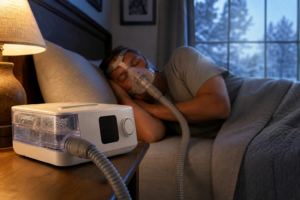
Device Humidifier Settings for Fall and Winter What Changes You Need to Make
Why Humidifier Settings Change When Temperature Drops Your sleep apnea device has been working great all summer and fall. You’re hitting your therapy goals, your partner stopped mentioning snoring, and you’ve finally hit that sweet spot with your settings. Then November hits. Suddenly your throat feels drier. You’re waking up…
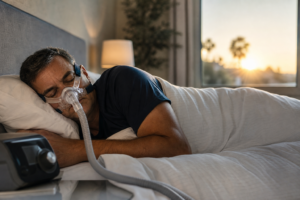
Daylight Saving Time Sleep Apnea Adjustment A Clinical Guide for 2026
Understanding the Impact of Daylight Saving Time on Sleep Apnea Patients When that first Sunday in March rolls around each year, most people think about losing an hour of sleep. For sleep apnea patients, though, daylight saving time represents something far more clinically significant: a sudden disruption to the precise…

Why Snoring Increases During Autumn Weather Changes and What Patients Should Know
Understanding the Connection Between Seasonal Changes and Sleep-Disordered Breathing You’ve made it through a solid sleep routine all summer, but something shifts when September rolls around. Your spouse mentions the snoring’s gotten worse. You wake up more tired than usual, even though you’re hitting your normal sleep hours. And if…