
June 2026 Sleep Apnea Device Technology Updates and New Features
Advancements in CPAP and BiPAP Devices
The landscape of Sleep Apnea treatment is constantly evolving, bringing exciting new innovations that promise better comfort, efficacy, and overall quality of life for patients. For anyone in San Diego struggling with sleep apena san or seeking effective snoring treatment, understanding these advancements can make a huge difference in their journey towards restorative sleep. We’ve seen significant strides in CPAP (Continuous Positive Airway Pressure) and BiPAP (Bilevel Positive Airway Pressure) devices, moving from bulky, inconvenient machines to sleek, smart, and highly adaptable personal health tools. These aren’t just incremental changes; they represent a fundamental shift in how we manage ongoing support, focusing on user experience as much as clinical outcomes.
Enhanced Comfort Features and Mask Design Innovations
One of the biggest hurdles for many new patients is adapting to the treatment equipment, particularly the mask. Discomfort often leads to inconsistent use, which directly impacts the effectiveness of the therapy. Thankfully, recent developments have made significant improvements here.
We are seeing incredibly lightweight and minimalist mask designs, often made from softer, more flexible materials that reduce pressure points and irritation. Think smaller nasal pillows and cushions that sit barely on the face, rather than full-face masks that can feel claustrophobic.
Manufacturers are also incorporating improved ventilation systems to minimize air leaks and provide a more natural breathing experience. Some designs even feature magnetic clips for easier attachment and removal, a small but impactful change for those fumbling in the dark. These innovations are crucial because enhanced comfort directly translates to better adherence to therapy, which is paramount for managing sleep apnea solana. It’s not just about addressing the sleep apnea side effects; it’s about making the entire experience less obtrusive, so patients can actually look forward to consistent sleep rather than dreading bedtime.
Quieter Operations and Improved Motor Technology
The sound of older CPAP machines was a common complaint for many patients and their partners alike. Often, the hum of the motor or the whoosh of air could interfere with sleep patterns, creating another layer of sleep problems on top of the apnea itself. Modern devices, however, have made tremendous leaps in noise reduction.
New motor technology and advanced insulation materials mean that today’s machines are whisper-quiet, often operating at noise levels barely above a gentle fan. This isn’t just about making the machine quieter; it’s about creating a more peaceful sleep environment. When the equipment itself doesn’t contribute to sleep disruption, patients find it much easier to fall asleep and stay asleep. This improvement in quiescent operation might seem minor, but for those sharing a bed, or even just sensitive to noise, it’s a game-changer that significantly improves the quality of sleep for everyone involved.
Smart Algorithms for Personalized Pressure Adjustment
Gone are the days when CPAP machines delivered a single, fixed pressure all night long. The latest devices are equipped with sophisticated smart algorithms that continuously monitor a patient’s breathing patterns in real-time. This allows the machine to dynamically adjust the air pressure, responding to subtle changes in breathing and airway obstruction.
For example, if the algorithm detects an impending apnea event, it can slightly increase pressure to prevent it, then reduce it again when the airway is clear. This results in far more comfortable and effective therapy.
These intelligent systems can also learn over time, adapting to individual sleep stages and positions. This personalized approach means patients receive just the right amount of pressure precisely when they need it, avoiding unnecessarily high pressures that can cause discomfort (like bloating or air swallowing) or low pressures that don’t effectively treat sleep problems. This level of responsiveness minimizes disturbances and maximizes treatment efficacy, making the therapy feel much more natural and less like a mechanical intervention. It truly highlights why personalized care matters when it comes to managing sleep conditions.
Portable and Travel-Friendly Solutions
Living with Sleep Apnea shouldn’t limit your ability to travel or enjoy activities away from home. Historically, the bulkiness of CPAP equipment made travel a significant hassle, often leading to inconsistent therapy while on the road. Fortunately, device manufacturers have heard these concerns loud and clear.
The market is now flooded with incredibly compact and lightweight CPAP and BiPAP machines. Many are designed specifically with portability in mind, featuring smaller footprints, lighter materials, and even optional battery packs for off-grid use. These travel-friendly devices can easily fit into a carry-on bag, allowing patients to maintain their consistent therapy regimen whether they’re camping in the mountains around San Diego or flying across the country. This focus on portability empowers patients to lead more active lives without compromising their health, ensuring that effective sleep is accessible no matter where life takes them. Our services, including ongoing care, are designed to help you navigate these equipment choices and ensure your treatment integrates seamlessly into your lifestyle.
Emerging Technologies for Non-CPAP Sleep Apnea Treatment
Wearable Sensors for Enhanced Monitoring and Diagnosis
While CPAP remains a cornerstone for many experiencing Sleep Apnea, the landscape of non-CPAP treatment options is rapidly evolving, driven by innovation and a deeper understanding of individual patient needs. One significant area of progress is wearable sensors. These aren’t just your standard fitness trackers; we’re talking about highly sophisticated devices capable of real-time, continuous monitoring.
For example, some of the latest wearables can track subtle physiological changes, like blood oxygen levels, heart rate variability, and even micro-movements during sleep, which can be crucial indicators of Sleep Problems. The data collected by these sensors can provide a much clearer picture of a patient’s sleep patterns outside of a traditional sleep lab. This is particularly valuable for early diagnosis or for monitoring treatment effectiveness in the comfort of one’s own home in San Diego.
Think about it: a patient might not even realize certain breathing disruptions are happening until these sensors pick them up consistently over several nights. This level of granular data helps healthcare providers, like those at Good Night Sleep Devices, to refine treatment strategies and make more informed decisions about a patient’s care. It’s all about getting a complete picture, isn’t it?
Oral Appliance Innovations and Material Science
Another exciting development in non-CPAP approaches lies within Oral Appliance Innovations. Historically, oral appliances have been effective for mild to moderate Sleep Apnea and Snoring Treatment, but continuous advancements in material science and design are pushing their capabilities further. Modern oral appliances are becoming significantly more comfortable, durable, and precisely customized. We’re seeing new biocompatible materials that are lighter and less bulky, leading to better patient compliance. Think about polymers that are not only stronger but also more flexible, allowing for a better fit and reducing the initial discomfort some patients experience. The design process has also been revolutionized by 3D scanning and printing technologies. This means that instead of just molds, we can create incredibly accurate digital models of a patient’s oral cavity, leading to devices with unparalleled precision. This customization is key to ensuring the appliance effectively repositions the jaw and tongue to keep the airway open, which is the whole point of a Snoring Treatment. This tailored approach, often beginning with a comprehensive sleep assessment, minimizes side effects and maximizes the therapeutic benefit. It’s a far cry from the more generic devices of the past, offering a much more personalized solution for those facing Sleep Problems.
Neuromodulation and Implantable Device Progress
When it comes to advanced non-CPAP solutions, neuromodulation and implantable devices are really making waves. These technologies work by directly stimulating nerves responsible for maintaining airway patency during sleep. For instance, some implantable devices focus on stimulating the hypoglossal nerve, which controls the muscles of the tongue. By gently stimulating this nerve, the tongue is prevented from collapsing into the airway, thereby addressing the root cause of obstructive Sleep Apnea. This type of treatment is an option for patients who can’t tolerate CPAP or other non-invasive therapies, offering a significant alternative. The progress here isn’t just about the implants themselves; it’s also about the sophisticated algorithms that control them. These systems can learn and adapt to a patient’s breathing patterns, delivering precise stimulation only when needed. The surgical procedures involved are becoming less invasive, and the battery life of these devices is extending. It’s a complex but incredibly promising area, giving people in San Diego suffering from Sleep Problems another powerful tool in their treatment arsenal. For many, it represents a path to from snoring, which can be life-changing.
Digital Therapeutics and Behavioral Interventions
Finally, we’re seeing an increasing integration of digital therapeutics and behavioral interventions into non-CPAP Sleep Apnea treatment plans. This isn’t about a physical device, but rather about leveraging technology to empower patients to manage their condition. These digital platforms can provide personalized coaching, track progress, and deliver tailored educational content. For example, an app might guide a patient through exercises designed to strengthen upper airway muscles or offer cognitive behavioral therapy for insomnia (CBT-I) adapted for Sleep Problems. Behavior modification strategies play a crucial role in improving sleep quality, even for those with diagnosed Sleep Apnea. Think about stress reduction techniques, sleep hygiene protocols, or weight management programs, all delivered through an interactive digital interface. This approach recognizes that effective treatment often goes beyond just a physical device; it involves comprehensive support and lifestyle adjustments. Such tools can act as a powerful complement to other therapies, helping patients to stay engaged and compliant with their treatment plan. Moreover, the data gathered from these digital engagement platforms can provide valuable insights for healthcare providers, making the communication between patient and doctor more informed and proactive. It’s part of the holistic approach to sleep apnea treatment that we advocate for, ensuring patients receive multifaceted support.
Data-Driven Insights and Connectivity
Integrated Telehealth and Remote Monitoring Capabilities
The landscape of Sleep Apnea management is really evolving, and a major driver of that change is the increasing integration of telehealth and remote monitoring. Gone are the days when every single check-up required an in-person visit, especially for established sleep apnea patients. Modern devices now come equipped with sophisticated sensors and connectivity features that allow your sleep care provider, even one based right here in San Diego, to monitor your therapy progression without you ever leaving your home. This means more convenient follow-ups, quicker identification of potential issues, and adjustments that can be made in real-time. For instance, if a patient using a CPAP machine experiences a sudden increase in mask leaks or a change in their breathing patterns, the device can alert the provider. This proactive approach helps prevent worsening sleep problems and ensures consistent therapy.
Think about it: instead of waiting weeks for an appointment to discuss a recurring issue with pressure or mask discomfort, your provider can see the data as it happens and offer guidance. This is particularly beneficial during the initial adjustment period for new users, where continuous feedback can make a huge difference in adaptation and long-term adherence. It’s about creating a truly connected care experience for better sleep, apnea treatment, and overall wellness.
Advanced Analytics for Patient Adherence and Efficacy
One of the biggest hurdles in successful Sleep Apnea treatment has always been patient adherence. Let’s be honest, using any new equipment consistently takes effort, especially when dealing with sleep. However, the latest advancements in device technology are making it easier than ever to track and manage adherence with robust data analytics.
These new devices don’t just record hours of usage; they provide deep insights into how effectively the therapy is working. We’re talking about detailed reports on respiratory events, mask seal integrity, and even sleep quality metrics that go beyond just oxygen saturation. This level of granularity helps both the patient and the provider understand the true impact of the treatment.
For example, a device might report that while a patient is using their equipment for the prescribed number of hours, their mask might be leaking significantly for a portion of the night, reducing the therapy’s efficacy.
These advanced analytics can pinpoint specific challenges, allowing for targeted interventions. If someone in sleep apnea san is struggling with consistent use, these detailed reports can often identify why. Is it residual nasal congestion, discomfort, or perhaps an incorrect pressure setting? By analyzing the data, providers can make precise adjustments or offer alternative strategies. This data-driven approach fosters a more collaborative relationship between patients and their care teams, leading to better outcomes and significantly improved sleep quality. It’s really about personalizing the treatment to each individual’s unique needs, especially when it comes to snoring treatment.
Secure Data Management and Privacy Protocols
With all this incredible data being collected, it’s natural to have questions about privacy and security. Rest assured, the industry is placing a massive emphasis on robust data management and privacy protocols. These aren’t just an afterthought; they are fundamental to the design of new sleep apnea technology.
Devices are now built with advanced encryption methods to protect your sensitive health information, ensuring that your personal data remains confidential. Think of it like banking-level security for your sleep data.
Manufacturers and healthcare providers are adhering to strict regulations, like HIPAA in the US, to safeguard patient information transmitted through these connected devices. This means that when your device sends data to your doctor, it’s done through secure channels, and access is limited strictly to authorized personnel. You, as the patient, also have control over your data, often through user-friendly apps that allow you to view your own progress and grant or revoke access as needed.
The goal is to provide beneficial insights without compromising your privacy, creating trust in the system. The last thing anyone wants is for personal health information to be vulnerable, and these new protocols are designed precisely to prevent that from happening.
Interoperability with Other Health Platforms
The future of healthcare is interconnected, and Sleep Apnea devices are definitely moving in that direction. Beyond just sending data to your sleep specialist, these new technologies are increasingly designed for interoperability with other digital health platforms. What does this mean for you?
Well, imagine your Sleep Apnea device data seamlessly integrating with your broader electronic health record (EHR), or even with wearable fitness trackers you might already own. This holistic view of your health can provide incredible insights. For instance, your blood pressure monitor data might show improvements coinciding with consistent Sleep Apnea treatment, or your activity tracker might show better energy levels as your sleep quality improves.
This kind of integration helps both you and your entire healthcare team see the bigger picture of your well-being.
For patients in Solana Beach, having their Sleep Apnea data integrated with information from their primary care physician or even a cardiologist could lead to more coordinated and comprehensive care. It helps identify potential comorbidities and ensures that all aspects of your health are being considered in your treatment plan. This move towards standardized data exchange protocols is critical for creating a truly integrated health ecosystem, ultimately leading to more informed decisions and better overall health outcomes for individuals dealing with snoring treatment and other sleep problems.
User Experience and Accessibility Enhancements
Intuitive User Interfaces and App Integration
As technology continues to advance, the focus on user-friendliness in sleep apnea san treatment equipment has never been more critical. Gone are the days of clunky, confusing devices. We’re seeing a significant push towards intuitive user interfaces (UIs) that make managing your therapy much simpler.
Think large, easy-to-read displays, simplified menu navigation, and quick-access buttons for common functions. Many newer devices now boast UIs that mirror the simplicity of your smartphone, drastically reducing the learning curve for patients, especially those new to snoring treatment. This focus on ease of use really helps with the initial adjustment period, making the transition to consistent therapy far smoother.
Beyond the device itself, app integration is a major player in enhancing the user experience. Most new machines come with companion apps for both iOS and Android. These apps aren’t just for show; they offer a wealth of features that empower patients to take an active role in their Sleep Problems management.
You can often track your usage hours, view your apnea-hypopnea index (AHI) data, and even get personalized feedback on your therapy effectiveness. Some even provide guided tutorials for mask fitting or cleaning routines. For instance, imagine waking up in San Diego, checking your app, and seeing immediate feedback on last night’s sleep quality.
It creates a proactive loop that encourages better adherence. This sort of immediate, accessible data can be incredibly motivating for patients, helping them understand the direct impact of their sleep apnea solana treatment.
Personalized Support and Educational Resources
One of the biggest hurdles for many patients is feeling overwhelmed by the technical aspects of their Sleep Apnea therapy or just not really understanding what’s going on. This is where personalized support and educational resources become absolutely vital. June 2026 updates are bringing more robust and tailored support systems directly to the patient. We’re talking about devices that, through their integrated apps, can offer customized tips based on your usage data and individual needs, rather than just generic advice.
For example, if the device detects consistent mask leakage, the app might trigger a notification with a video tutorial on proper mask fitting techniques or suggest trying a different mask size. This proactive approach significantly reduces the need for patients to constantly troubleshoot or reach out to their provider for minor issues. Many new platforms also include comprehensive libraries of educational content, from articles explaining the effects of Sleep Apnea to animated guides on equipment maintenance. This kind of ongoing support, as we often discuss in our blog ongoing support, is crucial for long-term adherence and overall success. It’s about empowering patients with knowledge, making them feel less alone in their therapy journey, and ultimately improving their quality of sleep.
Cost-Effectiveness and Insurance Coverage Updates
Let’s be real, the cost of Sleep Apnea treatment has always been a significant concern for many. While cutting-edge technology often comes with an initial price tag, the industry is increasingly focused on improving cost-effectiveness over the long term. June 2026 updates show a trend towards more durable equipment, with components designed for longer lifespans, reducing the frequency of replacements. Another aspect is the focus on energy efficiency, which might seem minor but can add up to noticeable savings on electricity bills over months and years. When we talk about the science behind, it’s not just about health outcomes but also making therapy economically sustainable.
On the insurance front, we’re seeing some positive movement as well. As the long-term health benefits of consistent Sleep Apnea treatment become undeniable, more insurance providers are expanding their coverage for newer, more advanced devices and therapies. There’s a growing recognition that investing in effective treatment upfront can prevent far costlier health issues down the road, such as cardiovascular disease and diabetes, which are well-known sleep apnea side.
So, while it’s always essential to check with your specific provider regarding your individual plan, the general trend indicates a more favorable landscape for coverage of modern Sleep Apnea technology. This broader acceptance helps reduce financial barriers, making these essential treatments accessible to a wider range of patients across San Diego and beyond.
Addressing Common Barriers to Treatment Adoption
Despite all the technological leaps, certain barriers still prevent some individuals from fully embracing their Sleep Apnea treatment. However, the latest updates are directly tackling these head-on. For instance, discomfort from masks or pressure is a major deterrent. New mask designs are lighter, more flexible, and offer better seals without excessive tightening, leading to greater all-night comfort. Think about how much better custom devices transform; these innovations are extending that comfort to standard equipment as well. Moreover, features like “ramp” functions, which start at lower pressure and gradually increase, significantly ease adaptation for those sensitive to initial pressure levels. Many patients find adjustment easier when they don’t get hit with full pressure right away.
Then there’s the logistical side of things: equipment maintenance, device bulkiness, and noise. Newer devices are becoming remarkably quieter, with advanced motors and sound-dampening technology, which is a huge win for both the patient and their bed partner. They’re also often more compact and travel-friendly, dissolving the perception that therapy ties you down.
Addressing issues like nasal congestion and dryness is also seeing improvements, with more integrated humidification options becoming standard, rather than add-ons. By understanding and directly mitigating these common pain points, current innovations are designed not just to treat Sleep Apnea, but to make the entire process more agreeable and sustainable for the patient, encouraging consistent usage and ultimately better Sleep Problems outcomes.
Future Outlook and Regulatory Landscape
Anticipated Innovations in the Next 12-24 Months
Looking ahead, the landscape of sleep apnea technology is ripe with innovation, setting the stage for significant improvements in patient care within the next year or two. We’re expecting to see even more miniaturization of devices, making them less intrusive and more comfortable for patients. Think about how far we’ve come already, and then imagine devices that are barely noticeable, seamlessly integrating into your life in San Diego.
There’s a strong focus on enhancing existing therapies, particularly in making pressure delivery more nuanced and responsive to individual breathing patterns. We might see further integration of wearables that can provide real-time feedback not just to the patient, but also to their sleep physician, allowing for quicker and more precise adjustments to snoring treatment settings. This continuous feedback loop is crucial for optimizing treatment effectiveness and overall sleep quality for those dealing with Sleep Problems.
Beyond traditional devices, expect continued exploration of “smart” beds and pillows that actively monitor and adjust to prevent airway obstruction – a game-changer for many. These aren’t just mere concepts; prototypes are already showing promising results in clinical trials. And, of course, the drive towards better comfort and compliance for all types of sleep apnea solutions remains a top priority, ensuring that patients actually use their equipment consistently.
Impact of AI and Machine Learning on Diagnosis and Treatment
Artificial intelligence (AI) and machine learning (ML) are rapidly transforming how we approach Sleep Apnea, from early detection to personalized treatment strategies. These technologies are powerful because they can analyze vast amounts of data, identifying subtle patterns that human eyes might miss. For diagnosis, AI algorithms are becoming increasingly sophisticated at interpreting sleep study data, leading to faster and more accurate assessments of Sleep Apnea severity and type. This means patients could potentially receive a diagnosis quicker, allowing for earlier intervention.
In terms of treatment, AI and ML are paving the way for truly personalized therapy. Imagine a system that learns your unique breathing rhythms, sleep positions, and even subtle movements throughout the night, then adjusts your device’s pressure or other settings in real-time to optimize your therapy. This goes beyond the basic auto-CPAP; it’s about anticipating needs and proactively preventing sleep disturbances.
This level of customization could significantly improve compliance and outcomes for patients, minimizing common sleep apnea side effects. It’s an exciting prospect, especially for those who find the initial adjustment to equipment challenging.
Furthermore, these technologies are aiding in predictive analytics. By analyzing historical patient data, AI can help identify individuals at higher risk for sleep problems or those who might struggle with traditional therapies, allowing healthcare providers to intervene with targeted support and alternative solutions. This proactive approach is a significant step forward in managing this complex condition.
Updates in Regulatory Approvals and Standards
The regulatory landscape for sleep apnea device is constantly evolving, driven by the rapid pace of technological innovation and an increasing focus on patient safety and efficacy. Agencies like the FDA in the US are working to streamline approval processes for groundbreaking devices while maintaining rigorous standards. This balance is crucial; we want to bring new solutions to patients quickly, but not at the expense of thorough testing and validation. We’re seeing more emphasis on real-world evidence and post-market surveillance to ensure long-term safety and effectiveness of new equipment.
There’s also a move towards clearer guidelines for digital health tools and AI-powered diagnostics. As these technologies become more prevalent, establishing robust frameworks for data privacy, algorithmic transparency, and clinical validation is paramount. Patients need to trust that the data driving their treatment decisions is secure and that the algorithms are reliable. In California, particularly around San Diego, compliance with these evolving standards is a key consideration for companies bringing new sleep apnea technology to market.
These updates often influence design and manufacturing processes, pushing companies to meet higher benchmarks for quality and user-friendliness. The goal is to ensure that every device, whether it’s a new pressure setting or an entirely different approach to therapy, offers a tangible benefit to patients dealing with Sleep Apnea.
Collaborations Driving Industry Growth and Research
The innovation we’re seeing in the sleep apnea space isn’t happening in isolation; it’s largely fueled by robust collaborations across various sectors. Think about the synergy between academic research institutions, medical device manufacturers, and even tech startups. These partnerships are critical for pushing the boundaries of what’s possible, pooling resources and expertise to tackle complex Sleep Problems. For example, some universities are working with industry leaders to develop advanced sensors for more accurate monitoring, while others are exploring novel materials for improved mask comfort.
We’re also observing significant collaboration between sleep clinics, like those serving the San Diego area, and device developers. This direct feedback loop from healthcare professionals who work with patients every day is invaluable. It ensures that new features and technological advancements are practical, user-friendly, and directly address real-world challenges faced by individuals undergoing Snoring Treatment. This kind of partnership was instrumental in developing the personalized approach many patients benefit from today, as highlighted in “The Science Behind Better Sleep: Why Personalized Care Matters.”
Furthermore, government grants and initiatives are playing a role in sponsoring research into new sleep apnea device updates, especially those focused on underserved populations or particularly challenging cases of Sleep Apnea. These collaborative efforts accelerate the pace of innovation, leading to more effective and comfortable solutions for patients. It’s truly a collective effort to improve the quality of life for millions suffering from Sleep Apnea.
In conclusion, the future of sleep apnea technology is incredibly bright, filled with promising advancements that will undoubtedly transform how we diagnose and treat this pervasive condition. From miniaturized devices and AI-driven personalization to critical regulatory updates and robust collaborations, every piece of the puzzle is moving towards better patient outcomes and improved comfort. The goal remains consistent: to help every San Diego resident achieve the restorative sleep they deserve, free from the constraints of Sleep Apnea.
If you’re struggling with Sleep Problems or know someone who is, don’t wait. Early intervention and access to these evolving technologies can make a profound difference. Reach out to a professional to determine the best path forward for your specific needs, because a good night’s sleep isn’t just a luxury, it’s a necessity for overall health and well-being.
We’re here to help you navigate these exciting developments and ensure you receive the most effective and comfortable treatment available.
Related Posts
Our Blogs
Our Latest Content
Explore our blog for expert insights, patient experiences, and the latest updates on complete sleep apnea treatment.
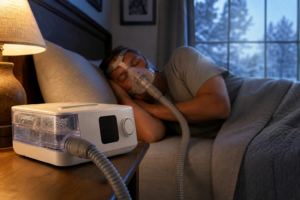
Device Humidifier Settings for Fall and Winter What Changes You Need to Make
Why Humidifier Settings Change When Temperature Drops Your sleep apnea device has been working great all summer and fall. You’re hitting your therapy goals, your partner stopped mentioning snoring, and you’ve finally hit that sweet spot with your settings. Then November hits. Suddenly your throat feels drier. You’re waking up…
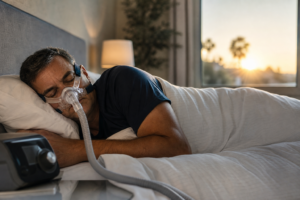
Daylight Saving Time Sleep Apnea Adjustment A Clinical Guide for 2026
Understanding the Impact of Daylight Saving Time on Sleep Apnea Patients When that first Sunday in March rolls around each year, most people think about losing an hour of sleep. For sleep apnea patients, though, daylight saving time represents something far more clinically significant: a sudden disruption to the precise…

Why Snoring Increases During Autumn Weather Changes and What Patients Should Know
Understanding the Connection Between Seasonal Changes and Sleep-Disordered Breathing You’ve made it through a solid sleep routine all summer, but something shifts when September rolls around. Your spouse mentions the snoring’s gotten worse. You wake up more tired than usual, even though you’re hitting your normal sleep hours. And if…