
Summer Travel Checklist for Sleep Apnea Device Users in 2026
Pre-Trip Planning: Ensuring a Smooth Journey
Confirming Device Compatibility and Power Needs
As you begin to plan your summer getaway for 2026, one of the first things on your checklist as someone managing snoring treatment should be confirming your sleep apnea san device’s compatibility with your destination’s power supply. This might sound obvious, but it’s a detail often overlooked until you’re already there, unpacking in a hotel room in, say, San Francisco or even further afield in Europe. Different countries use different voltages and plug types, and an oversight here could mean several nights of interrupted sleep. Imagine being in a gorgeous coastal town near sleep apnea solana, ready to enjoy your vacation, only to find you can’t power your essential equipment. That’s a nightmare scenario we want to help you avoid.
So, check the specifications of your device: what voltage does it require? Does it have a universal power adapter (often labeled 100-240V, 50/60Hz)? If so, you’ll primarily need plug adapters. If not, you might need a voltage converter, which steps the voltage up or down to match your device’s requirements. This is especially critical for patients with more specialized equipment or those using humidifiers, which can draw more power. Additionally, consider how long you’ll be away from a stable power source. Are you camping, taking a cruise, or planning extended excursions where outlets might be scarce? In these situations, explore portable power solutions like battery packs or even solar chargers compatible with your device. Some modern CPAPs have integrated battery options, but it’s always good to verify runtime and charging methods. Don’t just assume your services provider will pre-empt this for you; it’s an important part of your personal pre-trip due diligence.
Medication and Prescription Preparation
Beyond your main device, think critically about any ancillary medications or supplies you use in conjunction with your blog therapy. This includes not just your prescription medications but also over-the-counter remedies like nasal sprays for congestion or supplies like replacement filters and distilled water. Before you embark on your journey, ensure you have an adequate supply of everything you need for the entire duration of your trip, plus a little extra buffer, just in case of unexpected delays. Running out of a critical prescription in a foreign country or even just a different state can be a significant hassle, causing unnecessary stress and potentially impacting your health.
Obtain proper documentation for all your medications and your sleep apnea device. This means a letter from your doctor outlining your condition, the necessity of your equipment, and a list of your prescriptions, including generic names. This documentation can be invaluable for navigating airport security, customs, or in the event you need to seek medical attention while away. You might also need copies of your prescriptions, especially if you anticipate needing refills. Remember, state and national regulations on prescription medications can vary wildly, so having clear, physician-signed paperwork can prevent a lot of headaches. For instance, sometimes even what seems like a simple nasal decongestant might have different classifications abroad. Plan proactively, and if you’re concerned, a quick chat with your ongoing support provider can clarify any uncertainties.
Understanding Travel Insurance for Medical Devices
Travel insurance is often seen as an optional extra, but for individuals relying on medical equipment like a sleep apnea device, it’s a non-negotiable part of responsible trip planning. Accidents happen, luggage gets lost, and equipment can malfunction. Imagine arriving at the San Diego International Airport, only to find your checked bag (with your device inside) is routed to a different continent. Or perhaps your device gets damaged during transit. Without proper coverage, replacing or repairing your essential sleep assessment equipment can be incredibly expensive and disruptive to your vacation, leading to acute sleep apnea side.
When selecting travel insurance, don’t just opt for the cheapest basic package. Read the fine print carefully, specifically looking for coverage related to pre-existing medical conditions, medical equipment, and emergency medical assistance. Some policies might exclude coverage for conditions diagnosed before the policy purchase, so actively seek out policies that specifically include pre-existing conditions. Verify the maximum payout for lost or damaged medical devices, and understand the claims process. Will they cover a rental device in the interim? Will they ship a replacement to your current location? These are crucial questions to ask. It’s also wise to check if your existing home insurance or health insurance provides any reciprocal coverage for medical devices while traveling; sometimes, they offer limited protection, but travel insurance is typically more comprehensive and specifically designed for these scenarios. Having this safety net provides immense peace of mind. For details on how we handle personal information, refer to our privacy, terms &.
Notifying Airlines and Accommodations
Open communication with your airline and accommodation providers can make a world of difference in the smoothness of your travel experience. When booking your flights, especially if you plan to use your device inflight, notify the airline in advance. Many airlines have specific policies regarding portable medical electronic devices (PMEDs) and require prior notification.
They might need to verify the device’s approval for inflight use and ensure proper seating arrangements or power access if needed. This early heads-up prevents last-minute scramble at the gate.
Similarly, inform your hotel or other accommodation providers about your sleep apnea device. Not only can this help them understand your needs better, but they might also be able to assist with power adapters (though it’s always best to bring your own as backup), provide distilled water, or simply be aware that you have essential medical equipment. If you’re staying in an Airbnb or similar rental, reach out to the host well in advance to discuss electrical outlets and any other concerns. Some patients worry about privacy, but framing it as a necessary medical device often leads to understanding and helpfulness, rather than intrusion. Remember, most service providers in the travel industry are generally eager to assist with legitimate medical needs to ensure a positive customer experience. A quick phone call or email before you depart can often prevent misunderstandings and unnecessary stress upon arrival during your sleep apnea san vacation.
Packing Essentials for Your Sleep Apnea Device
The Device Itself: Practical Packing Tips
When you’re preparing for a trip, especially one that involves ongoing support, packing your sleep apnea device requires a bit more thought than just tossing it into a suitcase. The primary goal here is protection and accessibility. These devices are crucial for managing Sleep Apnea, and damage or loss can seriously disrupt your travel plans and, more importantly, your sleep patterns. You’ve invested in your health, so let’s make sure it travels safely, right?
First off, always carry your primary device as a carry-on. Never, ever check it with your luggage. The rough handling that checked bags sometimes endure could easily damage the delicate internal components of your equipment. Plus, if your checked luggage gets lost, you’re without your vital treatment equipment in an unfamiliar place. It’s a proactive approach to prevent sleep apnea side effects from rearing their ugly head while you’re away from home.
Most manufacturers provide a small, durable travel case designed specifically for your device, which is usually padded and offers good protection. If you don’t have one, consider purchasing a hard-shell case. This will shield it from bumps and drops that inevitably happen when you’re on the move.
And remember to keep all the essential components together: the main machine, the humidifier (if detachable), and the power adapter. This prevents scrambling to find pieces at your destination in San Diego or elsewhere.
Accessories and Spare Parts You Can’t Forget
Beyond the main device, a few key accessories and spare parts can make all the difference in ensuring continuous, comfortable therapy while you’re traveling. Think of it like packing extra socks—you hope you won’t need them, but you’re glad if you do. An extra nasal mask or cushions, for instance, can be a lifesaver. What if your current mask springs a leak or gets damaged mid-trip?
Having a spare mask on hand means you avoid uncomfortable discomfort and maintain consistent pressure levels, which is vital for effective breathing during sleep. Also, consider bringing an extra hose. Kinks or tears in the hose can compromise the air delivery, potentially leading to increased snoring treatment issues or even a recurrence of sleep problems.
If you use a humidifier, pack a small, sealed bottle of distilled water if you’re driving to your destination, or plan to buy it upon arrival. While tap water might work in a pinch, using distilled water prevents mineral buildup and extends the life of your device. These small considerations can really enhance your experience and help create optimal sleep quality, no matter where your travels take you.
Sanitation and Cleaning Supplies
Maintaining hygiene for your equipment is just as important when traveling as it is at home. You certainly don’t want to bring home an unwanted souvenir in the form of a nasty bug circulating through your therapy mask. A travel-sized bottle of mild, unscented soap or specialized treatment equipment cleaner is absolutely essential. Wipes formulated for devices can also be incredibly convenient for daily cleaning, especially when you’re on the go.
Don’t forget a small, clean towel or a supply of paper towels for drying. Allowing components to air dry completely is important to prevent mold and bacterial growth, particularly in humid environments. A dedicated re-sealable bag for dirty components can also keep everything organized and prevent contamination of other items in your luggage.
Regular cleaning prevents breakdowns, extends the life of your device, and, most importantly, protects your health. It ensures that the air you’re breathing through your mouth or nasal mask is clean and free from irritants. This diligent approach to sanitation helps you avoid common issues like skin irritation or respiratory problems that can arise from poorly maintained equipment.
Adapters, Converters, and Backup Power
Power is perhaps the most critical consideration for any electronic device, and your sleep apnea machine is no exception. If you’re traveling internationally from San Diego, you’ll definitely need to research the local power outlets and voltage. Will you need a plug adapter, a voltage converter, or both? Many modern devices are dual voltage, meaning they can handle both 110V and 220V, but you’ll still likely need a physical plug adapter to fit the wall socket. Check your device’s power brick for voltage compatibility.
A portable backup battery is a genuine game-changer, whether you’re facing a power outage in your hotel room or planning to go camping. These batteries can typically power a device for several nights, providing invaluable peace of mind. Some even offer universal compatibility. This foresight prevents an interruption to your therapy, which could otherwise lead to a resurgence of sleep problems and the associated sleep apnea side effects.
Having a DC car adapter is also a smart move if you’ll be driving or staying in an RV. It gives you another reliable power source and ensures you can stick to your consistent sleep schedule. Proper power planning means you won’t miss a single night of crucial treatment, no matter where your adventure takes you!
Navigating Airports and Transportation with Your Device
TSA and Security Screening Protocols
Navigating airport security with your sleep apnea treatment can feel a bit daunting at first, but with a few tips, it’s usually a breeze. First off, always carry your device as a carry-on. This isn’t just about convenience, but protection. Checked luggage can be jostled, lost, or subjected to extreme temperatures, all of which could damage your essential equipment. Most airlines don’t count medical devices towards your carry-on limit, but it’s always smart to double-check with your specific carrier before you fly. This helps avoid any surprises at the gate, which, let’s be honest, is the last thing you want when you’re already thinking about catching a flight.
When you reach the security checkpoint, be proactive. Pull out your Sleep Apnea machine – the main unit – and place it in a separate bin for X-ray screening, just like you would a laptop. You can usually leave the humidifier and tubing in the bag.
It’s a good idea to have a copy of your prescription or a letter from your doctor explaining your condition and the medical necessity of the equipment. While it’s rarely requested, having it on hand can streamline the process if a TSA agent has questions. You’ll find that most TSA officers in San Diego and beyond are quite familiar with these devices, as many patients travel with them.
Don’t be shy about stating upfront that you have a medical device; it often facilitates a quicker and smoother inspection, allowing you to get through security with less hassle.
In-Flight Usage Considerations
Using your Sleep Apnea device during a flight can be a game-changer, especially on longer journeys, preventing snoring and ensuring more restful sleep away. However, there are some important considerations. First and foremost, you absolutely must contact your airline in advance – often 48 to 72 hours before your flight – to inform them of your intention to use medical equipment. They need to verify that your specific device model is approved for in-flight use and discuss power arrangements. Many modern devices are battery-operated, offering flexibility. If you plan to use an in-seat power outlet, confirm its availability and compatibility; not all outlets provide enough power for all machines, and sometimes they’re simply not working.
Battery life is critical. If your device uses a battery, make sure it’s fully charged and consider bringing backup batteries for longer flights or unexpected delays. Remember that lithium-ion batteries often have specific carry-on requirements, so check TSA and airline guidelines.
During the flight, if you’re using your device, ensure your mask isn’t obstructing anyone’s space, especially in a tight cabin. Maintaining a respectful environment for your fellow passengers helps make the experience smoother for everyone involved. Some patients even find bringing a small, soft travel pillow can help position themselves comfortably for therapy on a plane, which contributes to better sleep quality during the journey.
Protecting Your Device During Transit
Protecting your Sleep Apnea equipment during transit is essential. These aren’t cheap items, and they’re vital for your health. As mentioned, carrying your device onto the plane is non-negotiable.
Don’t check it! Beyond that, consider investing in a dedicated travel case for your machine. Many manufacturers provide sturdy, custom-fitted cases that offer excellent protection against bumps and jostles.
These cases often have compartments for the main unit, humidifier, tubing, and mask, keeping everything organized and secure. Think of it as a small investment that prevents a much larger headache later on should your device be damaged.
When walking through airports or transferring between different modes of transportation, always be mindful of where you place your bag. Don’t leave it on the floor where it could be kicked or stepped on. If you’re putting it in an overhead bin, ensure it’s not crammed under other heavy luggage.
These machines, while robust, aren’t indestructible. A little extra care and awareness go a long way in ensuring your Snoring Treatment device arrives at your destination in perfect working order. And if you’re traveling with a portable battery, ensure it’s securely stored and not rattling around loosely inside the case; battery terminals can be sensitive to impacts.
Rental Car and Public Transport Logistics
Once you land, the journey continues, and you’ll need to figure out how to get around with your Sleep Apnea equipment. If you’re renting a car, getting your device from the airport to the rental agency and then to your accommodation is usually straightforward. Just like in your own car, secure your device and its carry case in the trunk or on the back seat where it won’t slide around or be exposed to extreme temperatures.
Leaving it baking in a hot car, for example, can potentially damage the electronics or the plastic components over time, which isn’t ideal for consistent therapy. Always aim for a stable and protected spot.
Using public transport in a new city, whether it’s a bus, train, or rideshare, requires a bit more planning but is entirely manageable. Keep your device in its dedicated carry case, and always keep it close to you. Avoid placing it on the floor unless absolutely necessary, and if you do, make sure it’s between your feet where it’s less likely to get kicked.
On trains or buses, use overhead racks if available, but again, ensure it’s not getting crushed. Rideshares are generally easy since your bags are usually just placed in the trunk; just ensure the driver knows you have a medical device if it requires any special handling. Being prepared for these small logistical steps ensures your Sleep Problems don’t interfere with your journey, no matter how you choose to travel around San Diego or any other destination.
On-Location Management: Comfort and Compliance Away from Home
Setting Up in Diverse Environments (Hotels, Camping, Cruises)
Once you’ve arrived at your destination, setting up your sleep apnea treatment can present unique challenges depending on your environment. Hotels, for instance, typically offer standard outlets, but it’s always wise to check for convenient placement near the bed. Sometimes, you might need to rearrange furniture slightly, and that’s perfectly normal. For those venturing into camping or RVs, power sources become a primary concern. Portable power stations or adapters for vehicle power can be lifesavers. Always confirm the power capabilities of your chosen device with your sleep care provider before you head out. Cruises are generally well-equipped, but cabin space can be tighter, so consider where your device will fit without being easily knocked over. You don’t want your therapy interrupted by an accidental bump! And speaking of tight spaces, make sure the air intake for your machine isn’t obstructed, regardless of your setting. Proper airflow is crucial for consistent pressure levels during your sleep.
Addressing Humidity and Temperature Challenges
Traveling often means encountering different climates, and both humidity and temperature can affect your Sleep Apnea therapy. If you’re heading somewhere dry, especially here in parts of California or the desert regions nearby, your humidifier will be working overtime. Ensure you have access to distilled water or know where to purchase it locally.
Running out can lead to nasal dryness and discomfort, which nobody wants when trying to get a good night’s rest. Conversely, in highly humid environments, you might find your humidifier produces too much moisture, leading to “rainout” (water in your hose or mask). Many modern machines have heated hoses that can mitigate this, but if yours doesn’t, you might need to adjust your humidifier settings down a notch.
Extreme temperatures, hot or cold, can also impact equipment performance. Avoid leaving your device in direct sunlight or a freezing car, as this can damage its internal components. Keeping your room at a comfortable temperature not only aids your overall sleep quality but also helps your equipment function optimally, preventing potential issues with condensation or overheating.
Emergency Contact Information and Local Support
Even with meticulous planning, unforeseen issues can arise when traveling with Sleep Problems. Having your essential emergency contact information readily accessible is non-negotiable. This includes your sleep care provider’s number (like our team right here in San Diego), your equipment supplier’s contact, and details for your travel insurance.
What if your mask breaks, or your machine suddenly stops working? Knowing who to call can save a lot of stress. Before you depart, consider researching local pharmacies or medical supply stores at your destination, especially if you’re going somewhere for an extended period.
They might be able to provide replacement parts or distilled water in a pinch. If you’re traveling internationally, you might even consider asking your provider for a letter explaining your medical condition and the necessity of your equipment. While rare, it can smooth things over if customs or local authorities have questions.
Remember, proactive preparation is key, and having a backup plan for potential equipment mishaps gives you peace of mind.
Maintaining Your Routine for Optimal Sleep
One of the biggest culprits for poor sleep while traveling, especially for Sleep Apnea patients, is a disrupted routine. Your body thrives on consistency, and straying too far from your usual sleep patterns can trigger sleep apnea side effects. Try to go to bed and wake up around the same time you would at home, even if you’re on vacation.
This helps regulate your body’s natural circadian rhythm. And speaking of consistency, make sure you’re using your therapy every single night. It might be tempting to skip a night, perhaps due to a late event or early morning flight, but consistent use of your Snoring Treatment is vital for preventing the return of disrupted sleep patterns.
If your trip involves significant time zone changes, try to adjust your sleep schedule gradually in the days leading up to your departure. Exposure to natural light at appropriate times can also help reset your internal clock faster. Creating an optimal sleep environment, even on the go, involves things like ensuring the room is dark, cool, and quiet.
Packing an eye mask and earplugs can create that familiar comfort, no matter where your adventures take you. Remember, managing your Sleep Problems effectively doesn’t take a vacation, and maintaining your routine helps you enjoy your travels to the fullest.
Post-Trip Device Care and Maintenance
Thorough Cleaning and Inspection Upon Return
Once you’re back home in lovely San Diego, the first thing on your sleep apnea travel list should be a thorough cleaning of your equipment. Traveling, even locally around Southern California, can expose your device to different environments, dust, and humidity levels. Disassemble all washable components – your mask, tubing, and humidifier water chamber – and clean them according to the manufacturer’s instructions. Use mild soap and warm water, then allow everything to air dry completely. This isn’t just about hygiene; it helps prevent any build-up that could affect the pressure delivery or prematurely wear out components. Imagine setting up your device for the next night and finding a dusty mask – not exactly conducive to quality sleep, right?
Beyond cleaning, take a moment for a diligent inspection. Run your fingers along the length of your tubing, checking for any small nicks or pinholes that might have occurred during packing or transit. Examine your nasal pillows or cushion for signs of wear, tears, or hardening, which can reduce the effectiveness of your therapy and lead to leaks.
Pay close attention to connection points, ensuring they’re still snug and free from cracks. Early detection of minor issues can save you from more significant sleep problems down the line, ensuring your Snoring Treatment remains consistent and effective.
Restocking Supplies for Future Adventures
You’ll often hear us talk about preparation, and that extends to your post-trip routine. After you’ve cleaned and inspected your device, take stock of your supplies. Did you use your last spare filter while you were away?
Is your distilled water supply running low? Now is the ideal time to replenish these essentials. Waiting until the night before your next trip or, worse, running out mid-week, can cause unnecessary stress and disrupt your regular sleep patterns.
Make a quick list of what you need for your device – extra nasal cushions, new headgear, replacement filters, or even a travel-sized cleaner – and order them. This proactive approach ensures you’re always ready for consistent therapy, whether you’re staying home in San Diego or venturing further afield.
Think about building a dedicated travel kit for your supplies. Keep a small bag packed with travel-sized distilled water, an extra mask seal, and any specific adapters you might need. This way, when the next opportunity for a getaway arises, you’re not scrambling to remember everything.
It’s about creating a seamless process that supports your Sleep Apnea therapy without becoming an additional burden. Many patients find that having these items readily available significantly reduces their pre-trip anxiety regarding their Sleep Apnea equipment.
Addressing Any Device Issues or Damage
Despite careful handling, sometimes things just happen while traveling. Maybe your carrying case took an unexpected knock, or perhaps you’ve noticed a new, strange sound coming from your machine. If your thorough inspection revealed any significant device issues or damage, or if you simply experienced discomfort or reduced effectiveness during your trip, don’t delay addressing it.
Continuing to use compromised equipment can worsen sleep apnea side effects and undermine your therapy. Contact your provider here in San Diego right away. They can help diagnose the problem, advise on potential repairs, or guide you through replacing components.
Sometimes, what seems like a major issue might be a simple fix, like an adjustment needed for your mask fit or a recalibration of the pressure settings. But for more serious concerns, it’s crucial to get professional advice. Remember, consistent breathing therapy is key to managing your Sleep Problems effectively.
If you’re experiencing persistent quality issues with your device, or if your sleep apnea symptoms seem to have returned, it’s always best to reach out to a professional. Undiagnosed device problems can lead to disrupted sleep and, frankly, diminish the improvements you’ve worked so hard for. Timely intervention ensures your therapy remains optimal.
Reviewing Your Travel Experience for Future Improvement
Every trip, whether it’s a short weekend to Palm Springs or a longer excursion, offers valuable lessons, especially when you’re managing sleep apnea. Take a few minutes to reflect on how your travel plan worked out. What went smoothly?
What were the pain points? Did you easily navigate airport security with your equipment? Was your power adapter sufficient for the outlets at your accommodation?
Were you comfortable using your device in different environments? This personal review is an invaluable step in refining your approach to future travels with Sleep Apnea. Perhaps you realized you needed a different type of travel case, or maybe you found that a specific nasal cushion worked better in drier climates.
This kind of self-assessment helps you prepare even better next time.
Consider keeping a small travel journal noting these observations. It could be as simple as jotting down “Remember extra humidifier water for desert trips” or “Bring a longer extension cord.” This isn’t about dwelling on problems, but about proactive adaptation. By acknowledging what worked and what didn’t, you can continuously improve your travel experience, ensuring your sleep apnea doesn’t hold you back from enjoying life to the fullest. Managing sleep apnea is a continuous process of learning and adjustment, and your travel experiences provide excellent data points for this journey. And if you have questions or want to explore personalized care options to enhance your rest, even when on the go, our team in San Diego is always here to help.
Related Posts
Our Blogs
Our Latest Content
Explore our blog for expert insights, patient experiences, and the latest updates on complete sleep apnea treatment.
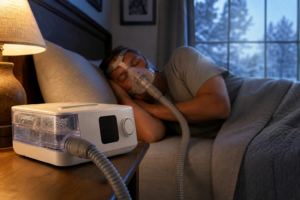
Device Humidifier Settings for Fall and Winter What Changes You Need to Make
Why Humidifier Settings Change When Temperature Drops Your sleep apnea device has been working great all summer and fall. You’re hitting your therapy goals, your partner stopped mentioning snoring, and you’ve finally hit that sweet spot with your settings. Then November hits. Suddenly your throat feels drier. You’re waking up…
Daylight Saving Time Sleep Apnea Adjustment A Clinical Guide for 2026
Understanding the Impact of Daylight Saving Time on Sleep Apnea Patients When that first Sunday in March rolls around each year, most people think about losing an hour of sleep. For sleep apnea patients, though, daylight saving time represents something far more clinically significant: a sudden disruption to the precise…
Why Snoring Increases During Autumn Weather Changes and What Patients Should Know
Understanding the Connection Between Seasonal Changes and Sleep-Disordered Breathing You’ve made it through a solid sleep routine all summer, but something shifts when September rolls around. Your spouse mentions the snoring’s gotten worse. You wake up more tired than usual, even though you’re hitting your normal sleep hours. And if…